'No way to run a foreign policy': Jason Crow criticizes Trump for pulling troops from Germany
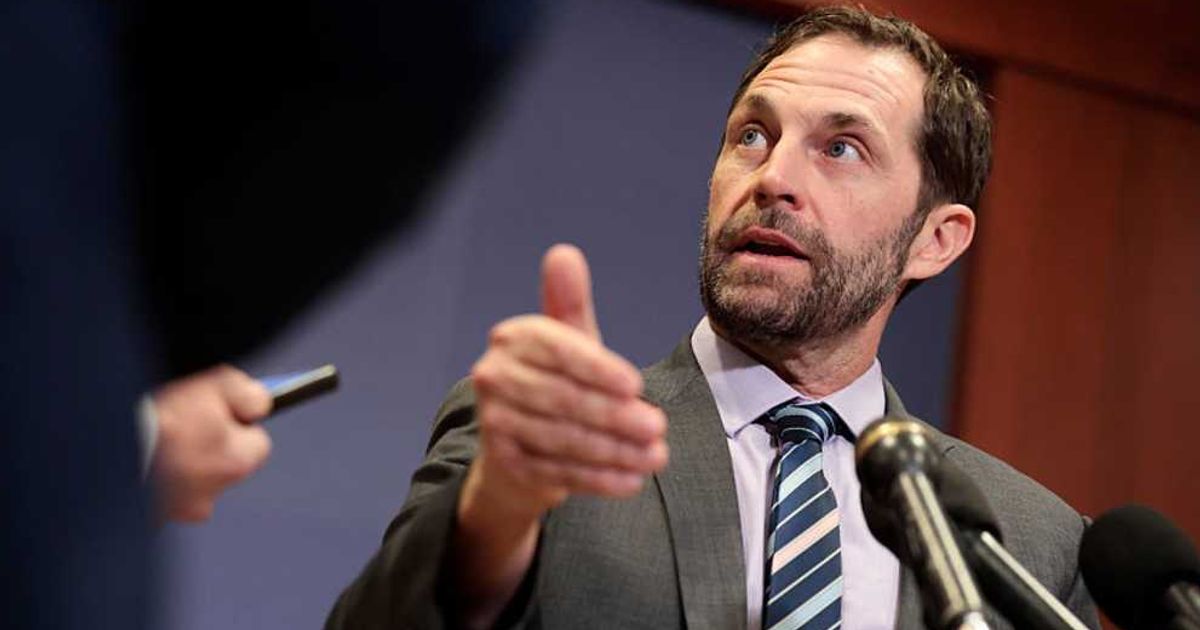
Democratic Congressman Jason Crow has criticized the Pentagon's move to withdraw roughly 5,000 U.S. troops from Germany, which came amid President Donald Trump's growing clash with European allies over the Iran war. In an interview with 'Face The Nation', Crow alleged that the President was getting "emotional and angry" while making consequential decisions, and that it is "no way to run a foreign policy."
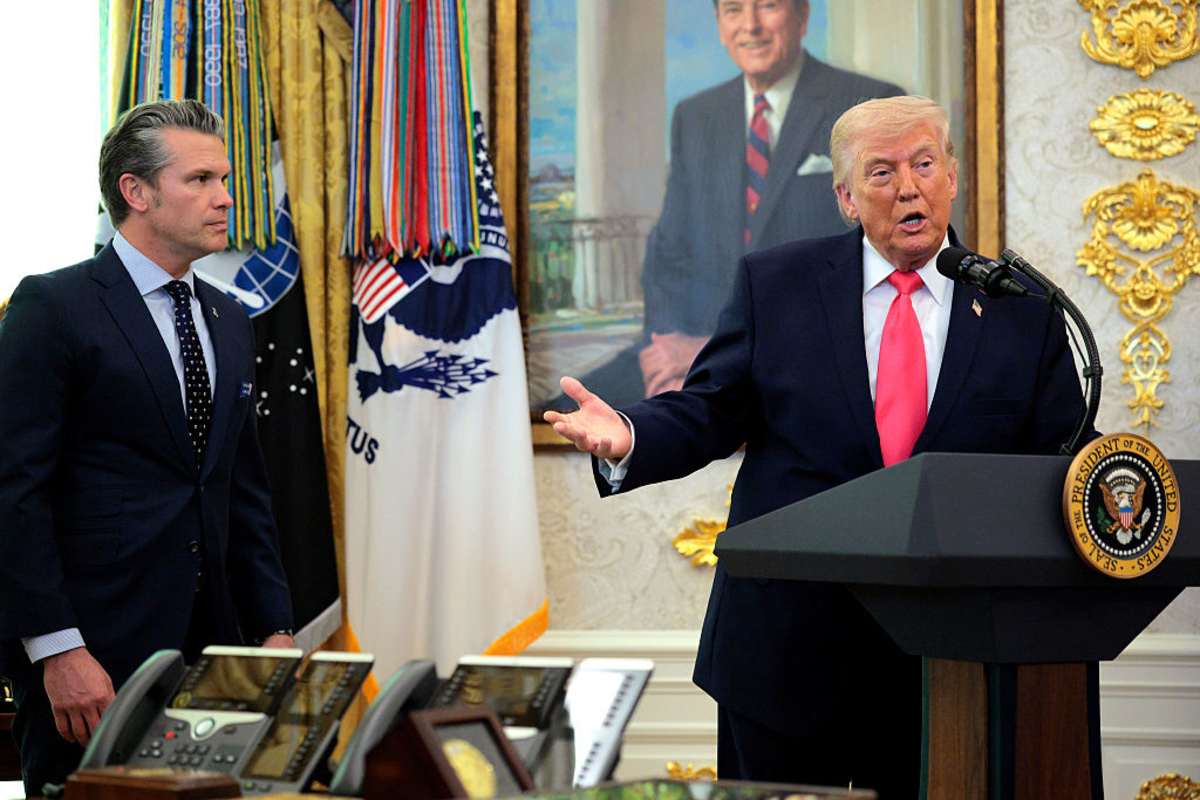
After the announcement from the Pentagon, Trump said the U.S. will significantly reduce its troop presence in Germany, further and beyond the 5,000 mark, escalating a dispute with German Chancellor Friedrich Merz, who last month said the U.S. had been humiliated by the Iranian regime. While Trump hasn't directly cited it as a reason, Crow claimed it clearly appears to be the case. "It appears as though this decision was made because Donald Trump was upset by a comment made by the German Chancellor," Crow said. He went on to add that Trump "is getting emotional and angry about this." "He's making really consequential troop movement decisions based upon, you know, being upset by the comments of a foreign leader, which is no way to run a foreign policy," Crow said.
When asked about the withdrawal of 5,000 U.S. troops from Germany, House Armed Services Committee member Rep. Jason Crow (D-CO) says “it appears as though this decision was made because Donald Trump was upset by a comment made by the German Chancellor” Friedrich Merz.
— Face The Nation (@FaceTheNation) May 3, 2026
“He is… pic.twitter.com/2IKQktTlFT
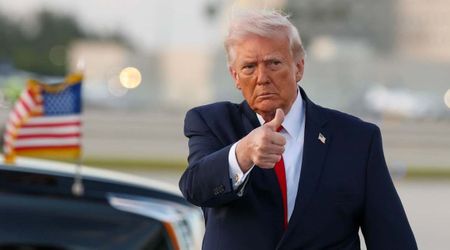
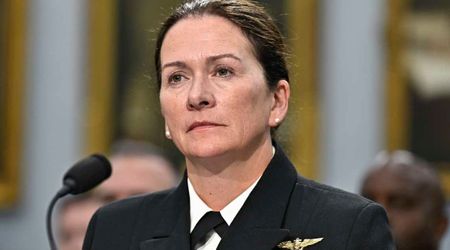
According to CNN, following the withdrawal, about 30,000 U.S. troops will remain in Germany, but Trump's threat can amount to further escalation. "We are going to cut way down, and we're cutting a lot further than 5,000," the President told reporters in Florida. While Germany's defense minister, Boris Pistorius, said the move was "foreseeable," the NATO military alliance says it is seeking clarification from the U.S. on the troop movement. "The presence of American soldiers in Europe, and particularly in Germany, is in our interest and in the interest of the US," Pistorius stressed, speaking to the DPA news agency.
German Defence Minister Boris Pistorius has stressed that the United States and Germany have shared military interests after the announcement that thousands of US service members would be withdrawn from bases across Germany https://t.co/jvtfwBK2QM
— dpa news agency (@dpa_intl) May 2, 2026
Trump's initial move to pull troops seemingly came after Merz said Washington was being "humiliated" by Iran. Speaking to students last month in Marsberg, he remarked: "The Iranians are obviously very skilled at negotiating, or rather, very skillful at not negotiating, letting the Americans travel to Islamabad and then leave again without any result." He added that the entire nation was "being humiliated by the Iranian leadership, especially by these so-called Revolutionary Guards," and that he hopes it ends "as quickly as possible." Trump responded to the comments via a post on Truth Social, claiming Merz had no idea what he was talking about, that he thinks it's "okay" for Iran to have a nuclear weapon.
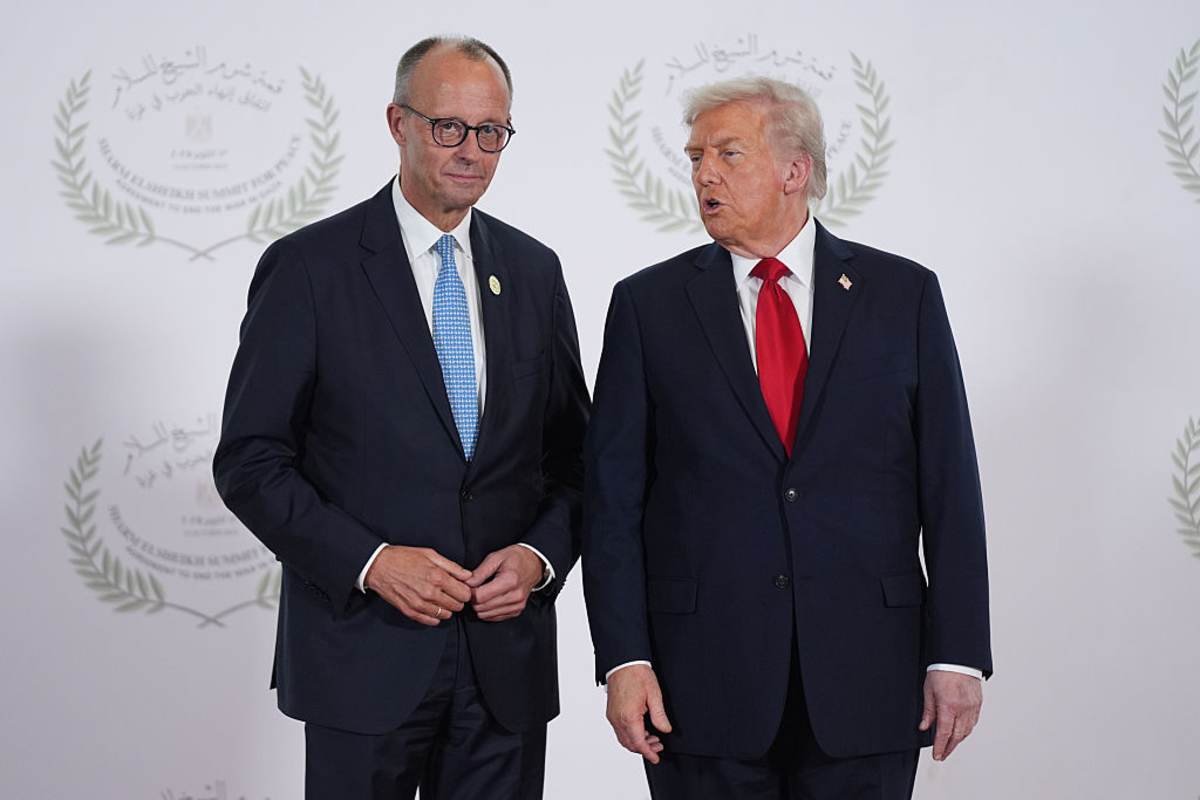
The move has gained bipartisan criticism as the Republicans who chair the armed services committees in Congress released a joint statement on Saturday saying they were "very concerned" by the possibility of reducing troops in Germany. "Germany has stepped up in response to President Trump's call for greater burden sharing, significantly increasing defense spending and providing seamless access, basing, and overflight for US forces in support of Operation Epic Fury," they said in a statement, referring to the military name of the campaign in Iran. They urged that any further reduction in troops should be done with Congress in the loop. Meanwhile, Merz claimed that the withdrawal of troops wasn't connected to his criticism of Washington. Speaking to public broadcaster ARD in an interview, Merz said he must accept that he and Trump do not share the same opinions in order to continue to work with the U.S. within NATO.