'Destroying American democracy': George Conway rips Trump for blocking housing bill

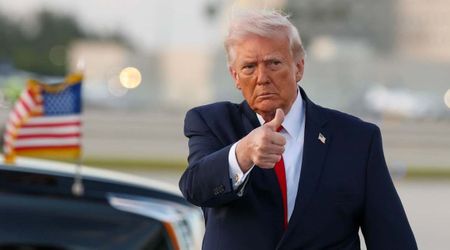
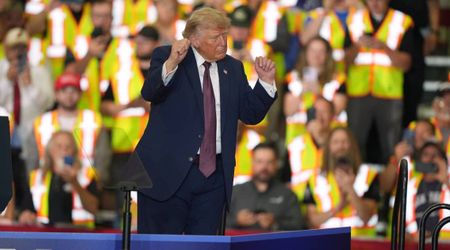
President Donald Trump on Wednesday canceled the signing of a landmark bill aimed at lowering housing costs for Americans, just hours ahead of a planned ceremony at the U.S. Capitol. Trump refused to sign the bill into law until Congress passed the controversial voter ID bill, called the SAVE America Act, which has stalled in the Senate. The President's move drew sharp criticism from across the political spectrum as the bill was heralded as a bipartisan victory ahead of the midterm elections. Political commentator and Trump critic, George Conway, however, said it was obvious for Trump to block the bill as he doesn't care about Americans, and he would "steal elections" to stay out of jail.
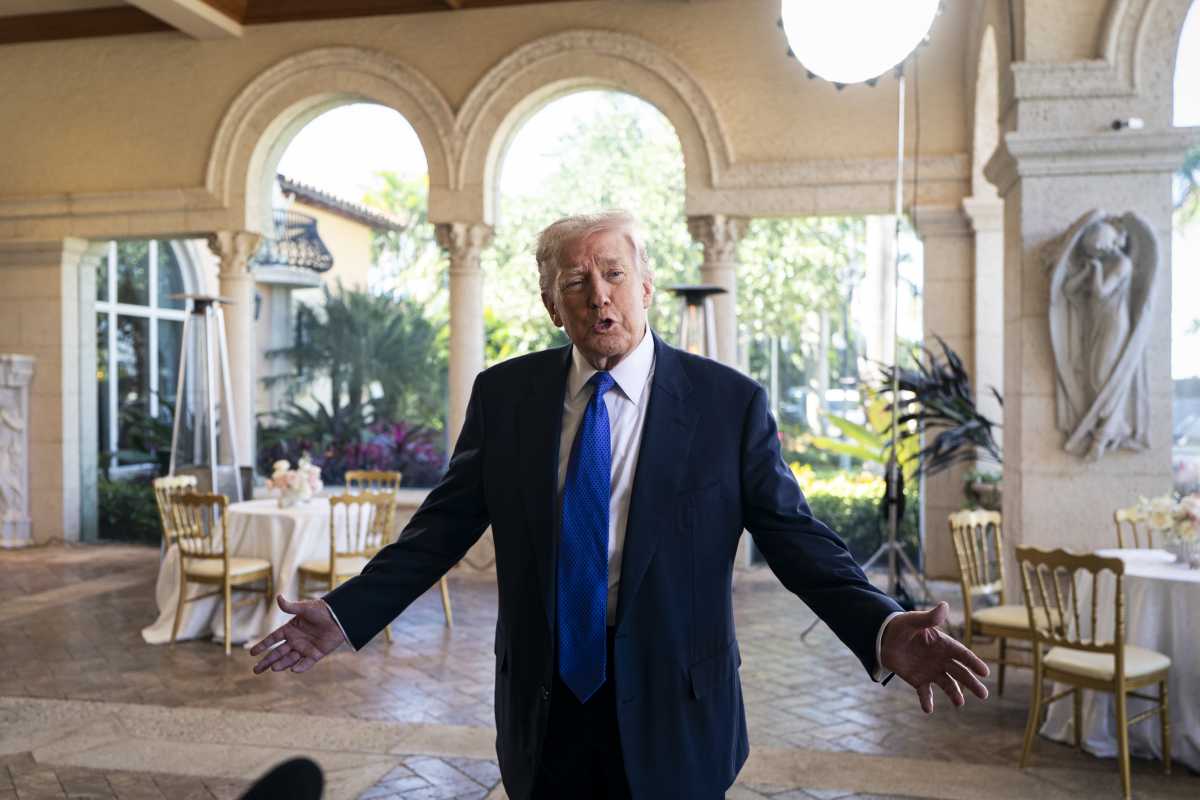
Trump, via Truth Social, canceled the signing of the landmark bipartisan housing bill that is aimed at making homes more affordable and capped the amount of single-family homes that private equity investors can purchase. "Today's Housing News Conference and Signing is hereby cancelled until such time as we pass the desperately needed SAVE AMERICA ACT, which I consider to be a National Emergency," the President wrote.
Reacting to his message, Conway slammed Trump, claiming all he cares about is himself and not the country or its people. "Of course he did. Doesn't matter that the bill is bipartisan," Conway wrote in his post on X. "He only cares about staying out of jail. And if that requires stealing an election or two and destroying American democracy, that's exactly what he's going to try to do."
Of course he did. Doesn't matter that the bill is bipartisan.
— George Conway ⚖️🇺🇸 (@gtconway3d) June 24, 2026
He doesn't give a shit about Americans; he only cares about staying out of jail.
And if that requires stealing an election or two and destroying American democracy, that's exactly what he's going to try to do. https://t.co/Wr8wJgF8x8
The bill, known as the 21st Century ROAD to Housing Act, has two key aims: one to reduce housing costs and the second to increase housing supply. Both chambers of Congress had earlier approved the legislation in a rare bipartisan move, indicating how pressing the issue was for American voters across the political spectrum as they head into the midterm elections in November. Even Trump had proposed the idea of the bill in his State of the Union speech, but on Wednesday, he downplayed it on social media before canceling its signing altogether.
The change in plan came as a surprise to many on Capitol Hill, including some lawmakers who came for the signing only to be told by reporters that Trump had cancelled it. While some Republicans told reporters that Trump would eventually sign the bipartisan bill into law, others expressed confusion. "That was his call to make," Senate Majority John Thune told CNN ahead of a meeting over lunch with Senate Republicans and the President. "What I would say is that the bill is a bill that's been worked on for a long time. It's an affordability issue, and eventually I hope he'll find his way to sign it."
Huge bipartisan majorities in Congress passed a bill to lower housing costs.
— Elizabeth Warren (@SenWarren) June 24, 2026
But at the 11th hour, Donald Trump is refusing to sign it into law. His policies have made your costs go up — and he doesn't care. pic.twitter.com/BmcwGxCaNs
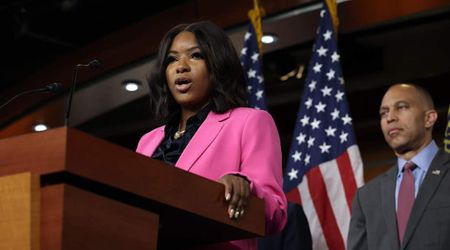
On the other hand, the lead Democratic co-sponsor of the bill, Senator Elizabeth Warren, told CNBC she did not have "any idea" why Trump canceled the signing. "This just doesn't make any sense other than whatever it is he wants to do, it's a complete indifference to the cost squeeze on American families," she said. The House passed the bill in a 358 to 32 vote to help address the affordability and cost-of-living issues that are playing a key role in the run-up to the elections.
However, as per Politico, the President is seemingly indifferent to the political realities of the Senate as he swayed away from the message ahead of an expectedly close midterm contest. The SAVE America Act that he is pushing has faced strong opposition as it is well short of the 60 votes needed to overcome the Senate filibuster. While proponents of the legislation argue it would cut down on noncitizen voting in the U.S., critics say it is a rare phenomenon, and the legislation would only put barriers to voting for millions of eligible voters in the country.