'He doesn't know what he's talking about': Trump hits back at German Chancellor after Iran criticism
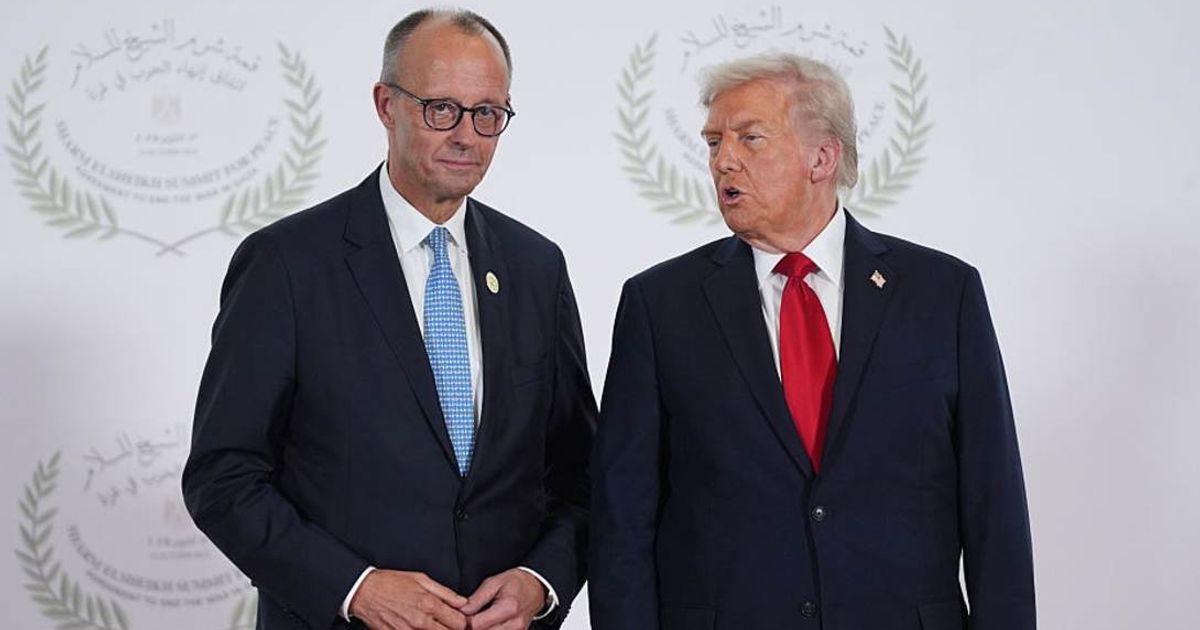
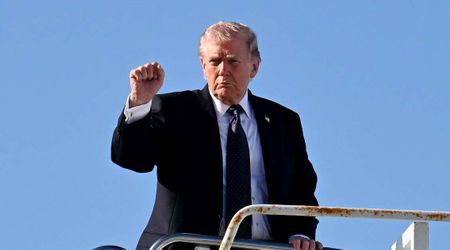
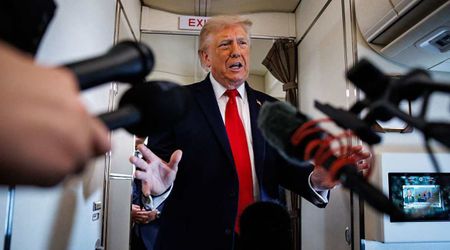
U.S. President Donald Trump on Tuesday hit back at German Chancellor Friedrich Merz over his criticism of the ongoing negotiations in the Iran war. Merz remarked that the Iranian regime was humiliating Washington as they are "skilled." A day later, Trump took to social media to assail the German chancellor's leadership, claiming he doesn't know what he is talking about, before blaming him for Germany's economic and other issues.
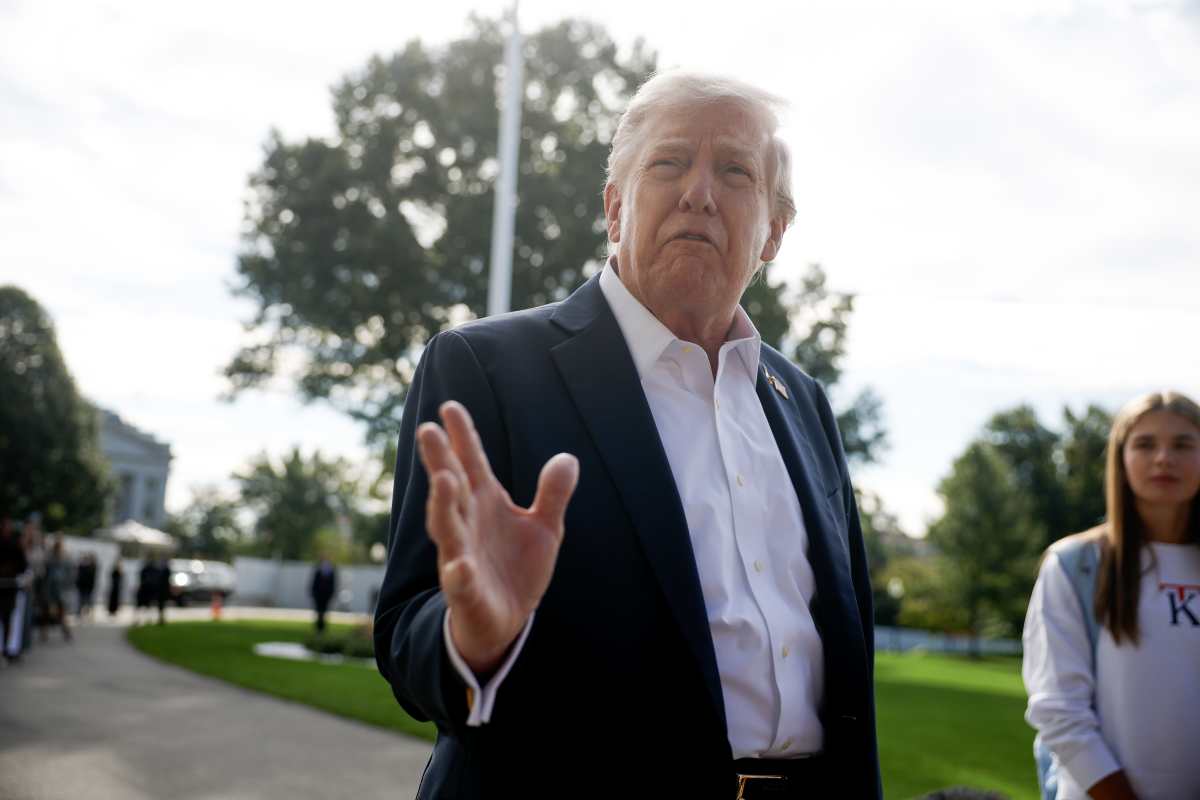
"The Chancellor of Germany, Friedrich Merz, thinks it's OK for Iran to have a Nuclear Weapon. He doesn't know what he's talking about!" Trump wrote in a Truth Social post, which, according to Reuters, is a mischaracterization, as Merz has previously said Iran must not possess a nuclear weapon. "He doesn't know what he's talking about! If Iran had a Nuclear Weapon, the whole World would be held hostage. I am doing something with Iran, right now, that other Nations, or Presidents, should have done long ago," the President added before stating: "No wonder Germany is doing so poorly, both Economically, and otherwise!"
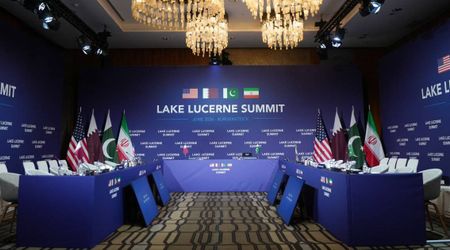
Trump's attack on the chancellor comes after Merz, on Monday, the U.S. had been "humiliated by the Iranian leadership." After the second round of peace talks fell apart, Trump announced that the U.S. delegation would not be traveling to Islamabad, Pakistan. Trump at the time told Fox News that "We have all the cards," adding that if Tehran wanted to talk, "they can come to us, or they can call us." Speaking to students in Marsberg about the event, Merz expressed that he believed it was Trump's team that was being outplayed, The Guardian reported.
The US is being “humiliated” by Iranian leaders as President Trump struggles to negotiate an end to the war, German Chancellor Friedrich Merz said Monday (translation via AP) https://t.co/x4hz7GQJ56 pic.twitter.com/cDr1bQ3Ec9
— Bloomberg (@business) April 27, 2026
"The Iranians are obviously very skilled at negotiating, or rather, very skilful at not negotiating, letting the Americans travel to Islamabad and then leave again without any result," he said. "An entire nation is being humiliated by the Iranian leadership, especially by these so-called Revolutionary Guards. And so I hope that this ends as quickly as possible," the German Chancellor concluded.
Trump has repeatedly bashed his European allies for their reluctance to join the U.S. in the conflict. He has complained about the allies not sending help to secure the Strait of Hormuz, which Tehran choked shortly after the U.S.-Israel strikes. While Europe claimed it had provided sufficient aid to the U.S., it was indeed reluctant to take an active role at the beginning of the conflict. "This is not Europe's war, but Europe's interests are directly at stake," Kaja Kallas, the vice president of the European Commission, said in March, as per Politico.
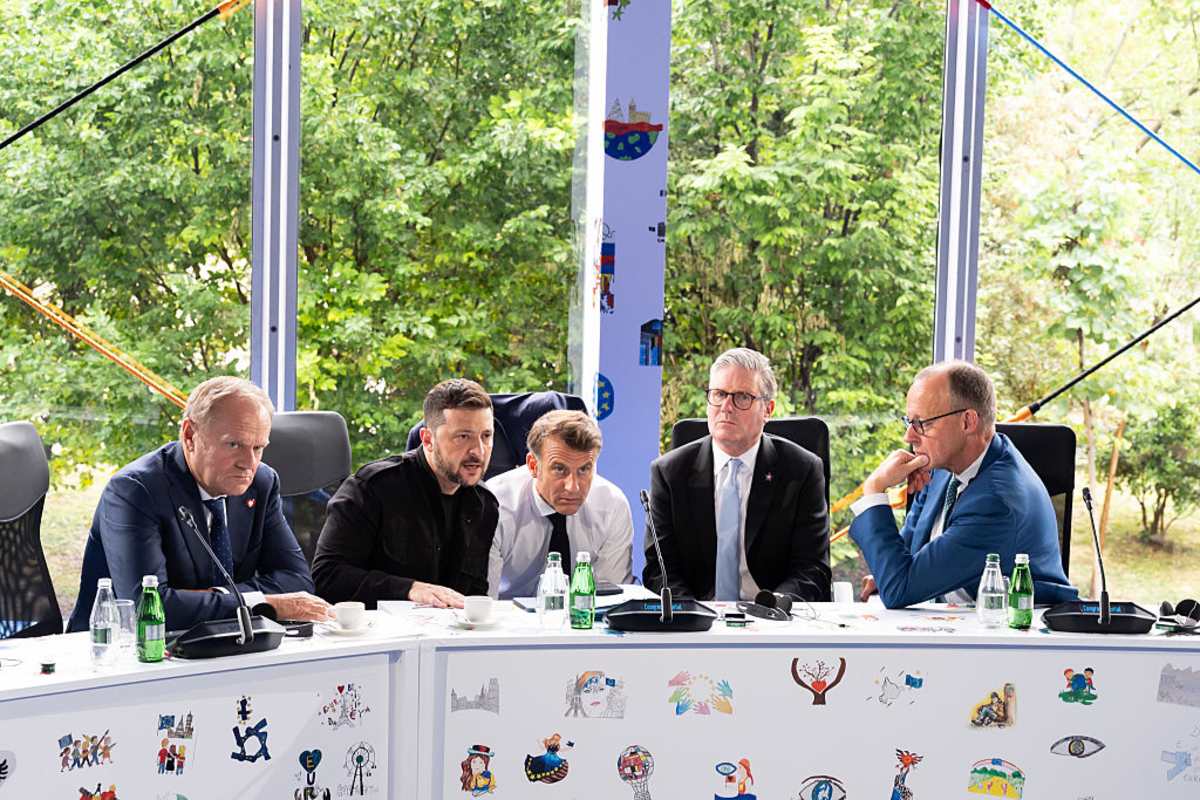
Meanwhile, the negotiations between Iran and the U.S. have made little progress since Tehran presented a new proposal to reopen the Strait of Hormuz and end the war, but postpone nuclear negotiations. According to NBC News, Washington has been reluctant to accept the offer, even though Secretary of State Marko Rubio said the proposal looked "better" than the past offers. The proposal was discussed with Trump and his national security team on Monday, and an official response is awaited. The report, however, suggested that there was little sign that Washington would abandon its naval blockade of Iranian ports without resolving the nuclear issue.