Trump's new passport tells Americans to 'be good', critics say they're not the visitors
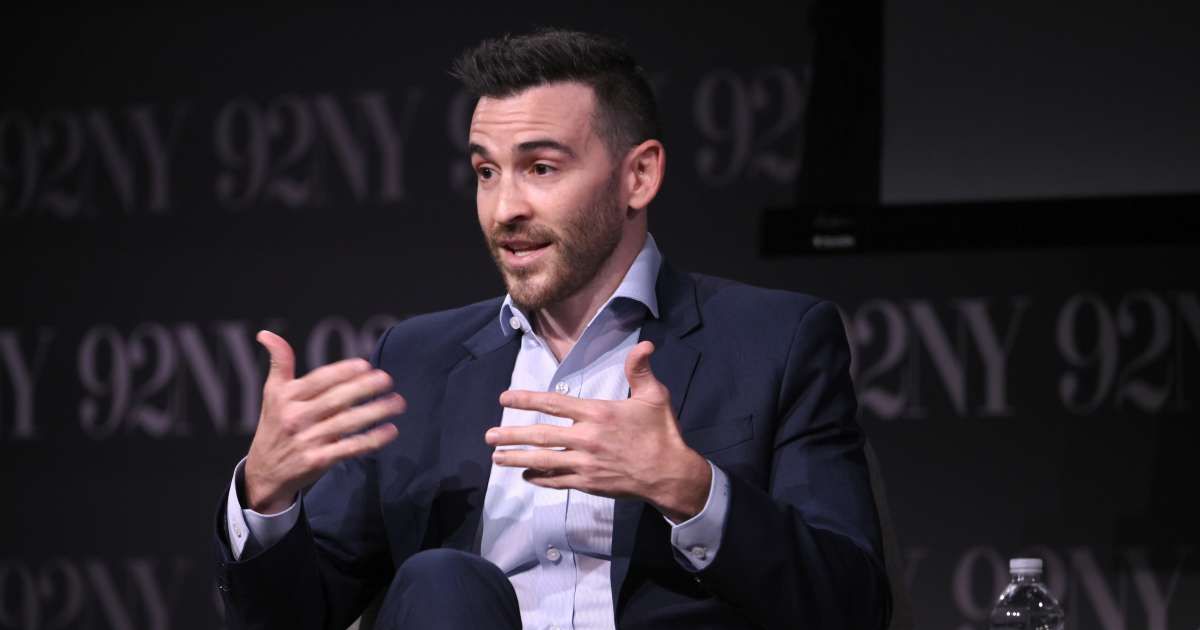
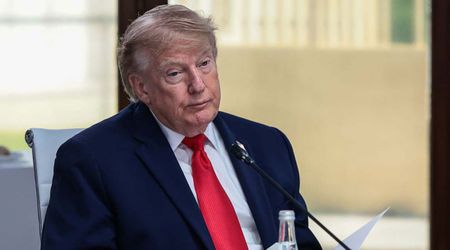
When President Donald Trump posted a photo of a new passport bearing his likeness and claimed the commemorative document would feature the message "Welcome, but be good!" — most Americans had only one question: "Why would it say 'welcome' when passports are issued to U.S. citizens?" as demonstrated by prominent political commentator and YouTuber Brian Tyler Cohen in a post on X.
The 37-year-old, a progressive podcast host, also reposted a tweet from a user who portrayed Trump as "dumb", offering a theory for the discrepancy: "No one had a spine to point out his glaring mistake on U.S. passports." The confusion did not stop there — many on social media also could not find the message anywhere in the image Trump posted, or in any other image of the passport circulating online.
Why does he need to have his name and picture on everything? Is he trying to copy North Korea?
— ᗰᗩƳᖇᗩ (@LePapillonBlu2) June 27, 2026
I thought only Americans could have an American passport…
I have so many questions!! 😬 pic.twitter.com/g4fvudrYzm
The more appropriate thing to do, according to Yahoo, would have been to carry the so-called message on a U.S.-issued visa to foreign nationals, and not a passport, which can only be held by U.S. citizens and individuals already living in the U.S. Cohen, a staunch Trump critic, also questioned the move's optics, reposting a quip arguing that even North Korean leader Kim Jong Un — widely regarded by experts as a dictator — would find Trump's likeness on a passport a step too far.
When you put a menacing picture of yourself on the U.S. passports and write “Welcome, but be good!” you’re admitting that you don’t understand what U.S. passports are and who gets them. pic.twitter.com/aXsujHaHrO
— Melanie D'Arrigo (@DarrigoMelanie) June 27, 2026
News of a limited-edition passport first emerged in April, when the State Department announced it would issue between 25,000 and 30,000 of such commemorative documents starting July 2026 to mark the 250th anniversary of American independence. The move drew sharp public criticism because it marked the first time a sitting president's image appeared on an official U.S. passport, among other things. It must be noted that the image unveiled then, that of his second inaugural portrait, is different from the latest iteration.
When I approach a passport control officer when entering a foreign country, I always say, "Welcome, but be good!"
— George Conway ⚖️🇺🇸 (@gtconway3d) June 27, 2026
Thanks to our stable genius leader who knows exactly what passports and asylum are and how to stop hurricanes and algae, I no longer need to do this. 🙏🏼 https://t.co/TFSWj0bj1B
The new passports also replaced the tradition of portraying historically significant moments in American history, like the moon landing, with President Trump's picture, along with his signature on top of the Declaration of Independence, breaking the tradition of using non-partisan national symbols. State Department spokesperson Tommy Pigott told TIME that the passports will feature custom artwork and improved images but maintain the same security standards as regular passports.
Who is he welcoming? Apparently he doesn't know the difference between a US passport and a visa to enter the country. This man is an idiot. Your passport is for travelling to other countries. pic.twitter.com/6pyNxexMn3
— Alex Cole (@acnewsitics) June 26, 2026
Many, like Rep. Mike Levin (D-CA), said that they will not be among those in the queue to obtain the passport. The California Democrat, serving his fourth term, condemned the move as the President's "vanity project," highlighting that Trump's gold signature will be "superimposed on the Declaration of Independence, a document written to get away from this exact behavior", referring to the American War of Independence from British colonialism.