Federal judge freezes Trump order restricting mail-in voting ahead of midterms
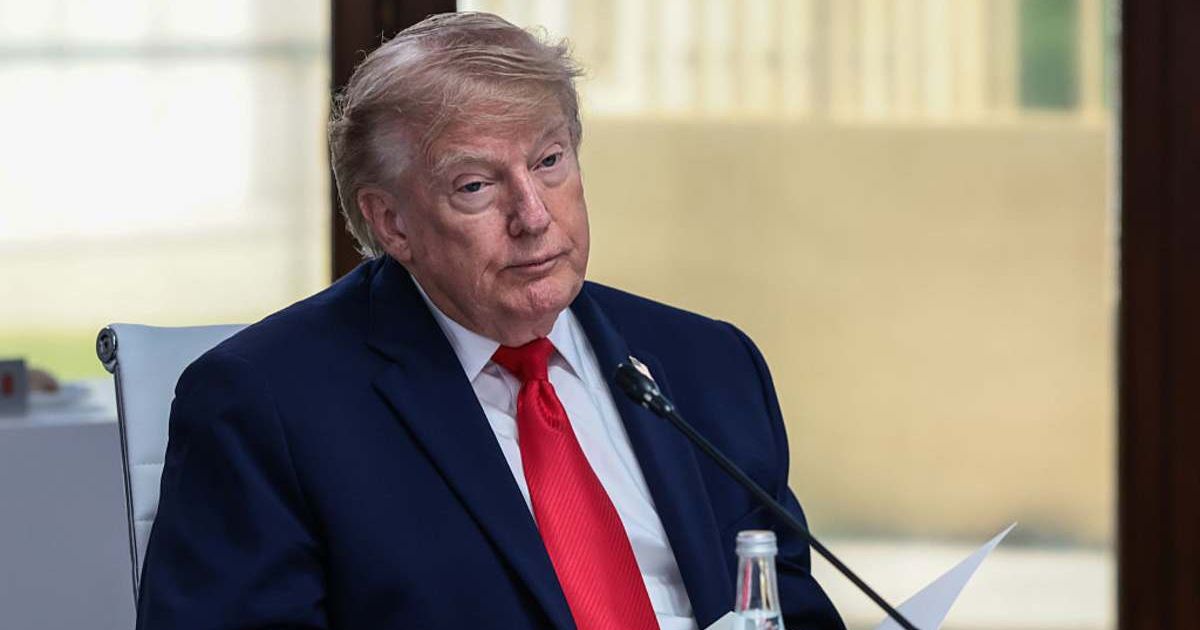
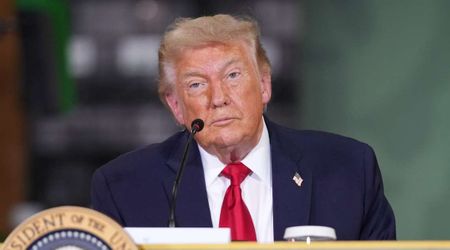
A day after a federal judge blocked President Donald Trump's executive order requiring proof of citizenship to vote, the Trump administration faced another legal setback, this time related to mail-in voting. In a March order, President Trump had directed the creation of federal lists of voters and asked the U.S. Postal Service (USPS) to deliver mail-in ballots only to certain people on those lists. "That's a big deal," Trump had said after signing the executive order, his second after the "proof of citizenship" mandate.
In her ruling on Thursday, U.S. District Judge Indira Talwani explicitly rejected the administration's argument that the order was an enforcement of existing federal law. "While the Constitution vests the President with 'executive Power' and commands him to take care that the laws be faithfully executed, it does not grant the President any specific powers over elections," she wrote, echoing U.S. District Court Judge Denise Casper's words on Trump's previous order.
Democrats Can't Believe It - Trump WINS!!!
— Conservative Brief (@ConservBrief) June 25, 2026
Postmaster General David Steiner announces that under the proposed USPS rule that is part of President Trump’s March 31, 2026 Executive Order “Ensuring Citizenship Verification and Integrity in Federal Elections”, the Postal Service… pic.twitter.com/9cJljqtv6X
The President's March directive, titled 'Ensuring Citizen Verification and Integrity in Federal Elections', sought to utilize federal agencies to heavily restrict mail-in balloting. Under the order, the Department of Homeland Security (DHS) was tasked with compiling a federal database of verified U.S. citizens. Concurrently, USPS was directed to build an approved list of voters and physically refuse to deliver mail-in ballots to any individual who did not appear on those lists or comply with newly proposed barcode tracking mandates.
However, Judge Talwani echoed Judge Casper's interpretation of the Constitution regarding the separation of powers, effectively freezing the Trump administration's attempts to unilaterally rewrite national voting standards ahead of the November midterms to counter "election fraud." "There is no evidence in this record of widespread 'illegal voting, discrimination, fraud and other forms of malfeasance and error' within American elections, which the executive order purports to safeguard against," Talwani wrote.
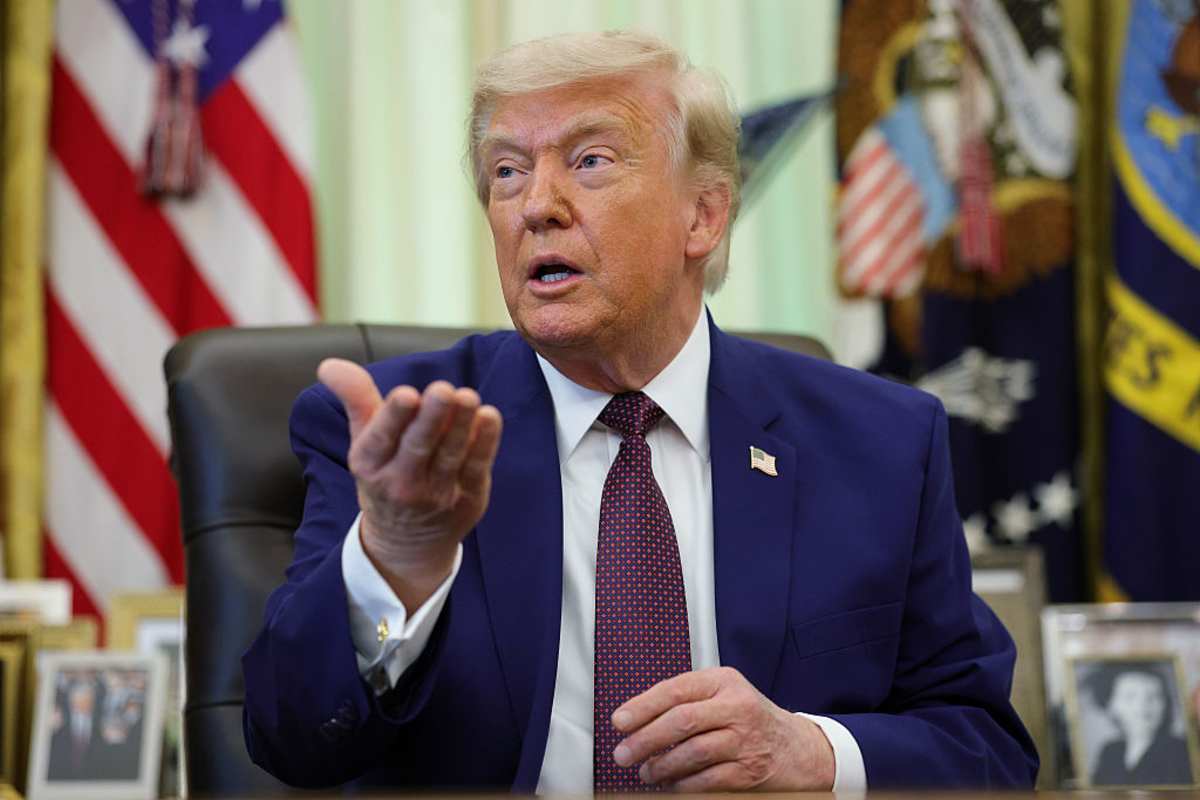
Democrats have welcomed the move, with Senate Minority Leader Chuck Schumer calling the decision "a very significant victory for free and fair elections and a defeat for Donald Trump’s vile efforts to make it harder for people to vote." "Trump's vendetta against mail-in voting, which is safe and secure, is about picking who can vote and avoiding accountability," Schumer wrote in a post on X. "Donald Trump's illegal and unconstitutional Executive Order sought to undermine eligible voters' ability to make their voices heard in our democracy. Our Constitution is clear: the authority to set our election rules belongs to the states," Pennsylvania Governor Josh Shapiro said.