Supreme Court backs Trump's power to turn away asylum seekers at the border
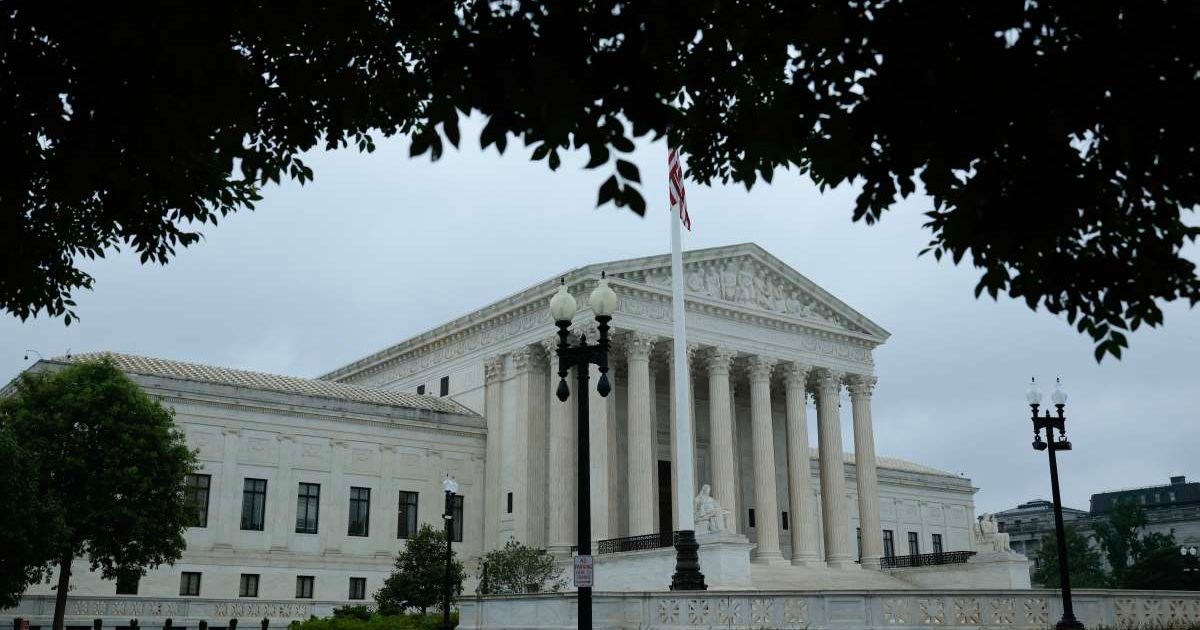
The US Supreme Court ruled that the federal government has the power to turn away asylum seekers if officials deem US-Mexico border crossings overburdened with claims. In a 6-3 vote along ideological lines, the court declared that asylum seekers standing in Mexico have not "arrived in the United States" under immigration law, meaning they are not entitled to inspection or permitted to apply for asylum until they physically cross the border.
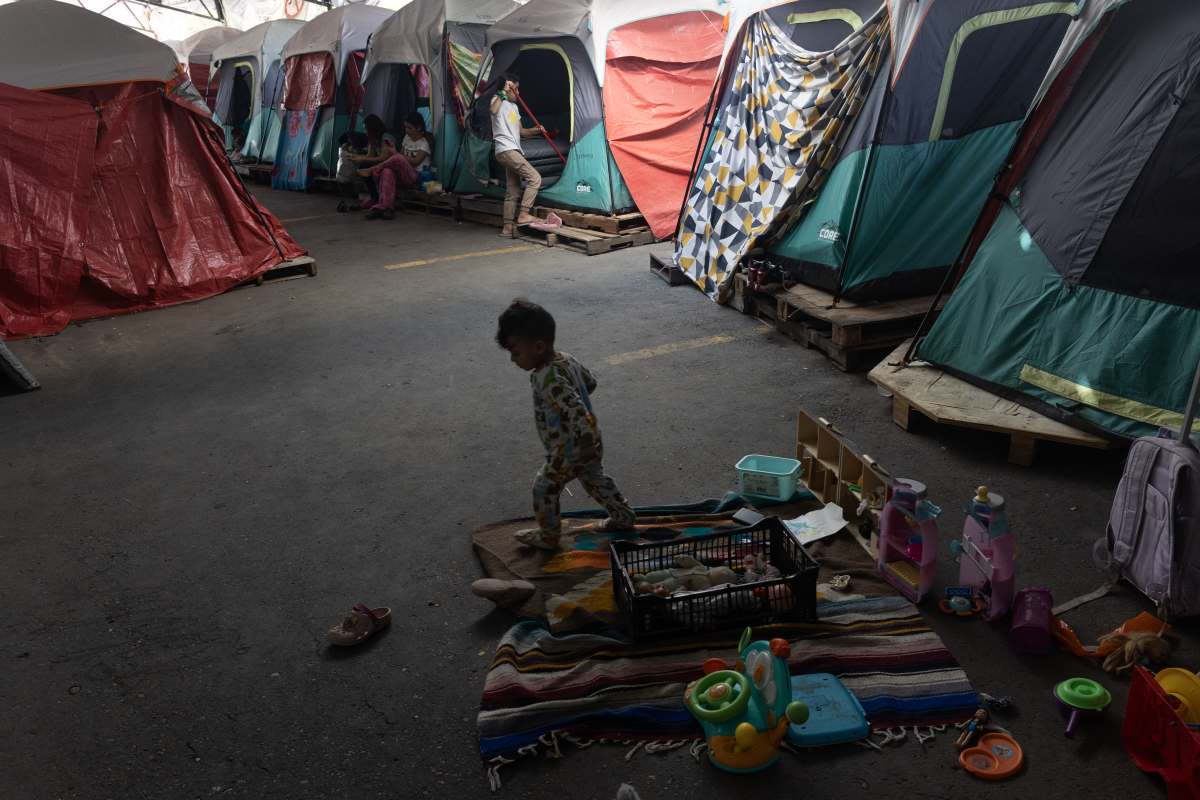
The ruling overturned a lower court decision that had found the policy in violation of federal law. The Trump administration had previously expressed its intent to revive the practice after it was scrapped by his Democratic predecessor, Joe Biden, Reuters reported. Known as "metering," the policy was first introduced under the Obama administration and continued through Trump's first term, limiting the number of asylum applications processed each day and resulting in queues spanning thousands of migrants at the border.
BREAKING: The Supreme Court just allowed the Trump administration to end Temporary Protected Status for over a million TPS holders. The far-right MAGA majority on the Court cannot stand.
— Ed Markey (@EdMarkey) June 25, 2026
We need to win back the House and the Senate and expand the Court.
Federal immigration law permits people seeking refuge to apply for asylum once they are on American soil, even if they did not arrive through legal channels. To qualify, applicants must demonstrate a risk of persecution in their home country on grounds of race, religion, nationality, membership in a particular social group, or political opinion. Those granted asylum cannot be deported and are entitled to work legally, bring in immediate family members, apply for legal residency, and eventually seek citizenship, the Associated Press explained.
We had to go all the way to SCOTUS to vindicate the principle that an alien is not “in the United States” until he is, in fact, in the United States. We have yet AGAIN been vindicated by the Supreme Court. This decision opens up an important tool to continue securing our southern… https://t.co/12lMw1lyOD
— James Percival (@DHSGenCounsel) June 25, 2026
The government contended that metering was a critical tool with bipartisan backing that should remain available whenever officials faced a surge in border crossings. The challengers argued that reading "arrives in" to require physical presence would render the phrase redundant, given that federal law separately allows asylum applications from those already physically present in the United States.
The Supreme Court just green-lighted Trump’s plan to destroy the U.S. system of asylum & refuge for those fleeing violence, persecution & disasters.
— Senator Scott Wiener (@Scott_Wiener) June 25, 2026
This inhumane ruling goes against basic American values & will lead to immense suffering. The Court is little more than a…
Writing for the majority, Justice Samuel Alito acknowledged the argument had "some force" but ultimately rejected it, noting that the anti-surplusage canon (a legal principle holding that every word in a statute must be given meaning) is not an absolute rule and that Congress sometimes enacts provisions that overlap. In her dissenting opinion, Justice Sonia Sotomayor said the Court "blessed the Executive Branch's decision to slam the door shut on all who are fleeing persecution" with its decision.
Trump’s Supreme Court just chose cruelty over community. Again. Stripping TPS protections from thousands of Haitians who make Massachusetts strong is a vicious assault on human dignity. To answer decades of contribution with deportation is vile and un-American.
— Seth Moulton (@sethmoulton) June 25, 2026
This was not the only immigration case in which the court ruled in the government's favor. In a separate 6-3 decision driven by its conservative majority, the court overturned rulings by federal judges in New York and Washington, D.C., that had blocked the administration's termination of Temporary Protected Status for more than 350,000 Haitians and 6,100 Syrians, holding that those affected were not entitled to orders halting the terminations while litigation was ongoing, effectively paving the way for their deportation.