Trump administration proposes 10% levies on Canada, Mexico, EU to rebuild tariff wall
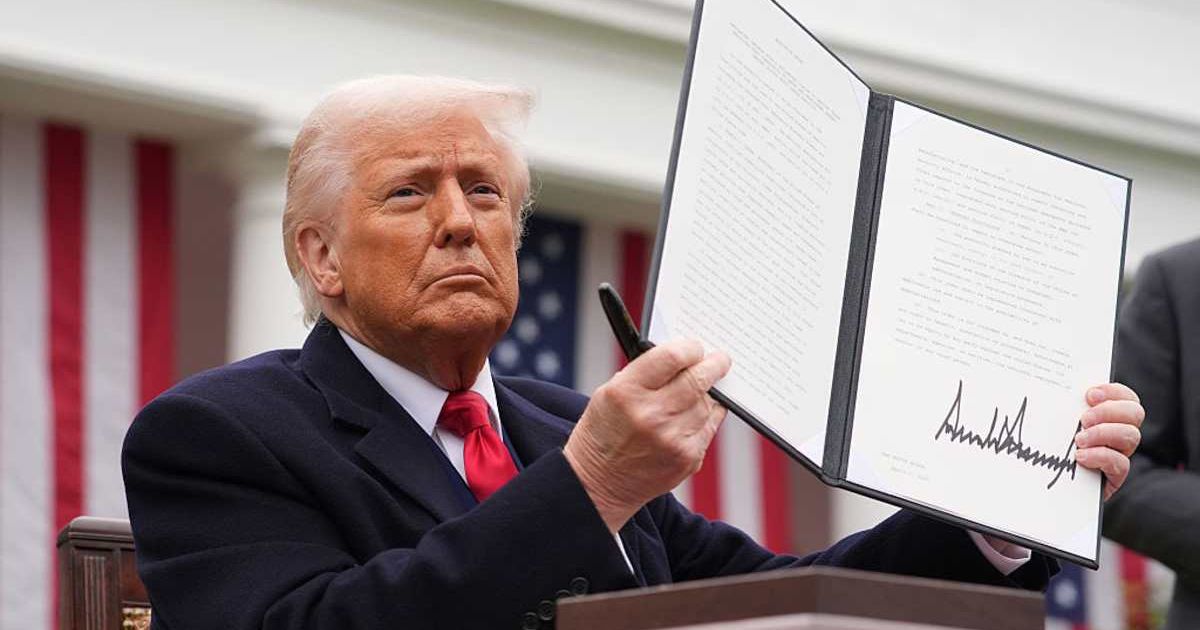
The Trump administration on Tuesday proposed reimposing tariffs ranging from 10% to 12.5% on 60 economies, including top trading partners such as the European Union, Canada, China, and Mexico. The move comes after an investigative report by the U.S. Trade Representative's Office (USTR) found that these countries failed to curb trade in goods produced with forced labor. The proposal comes ahead of the July 24 expiration of the temporary duties the administration imposed, and its emergency tariffs were struck down by a U.S. Supreme Court decision in February.
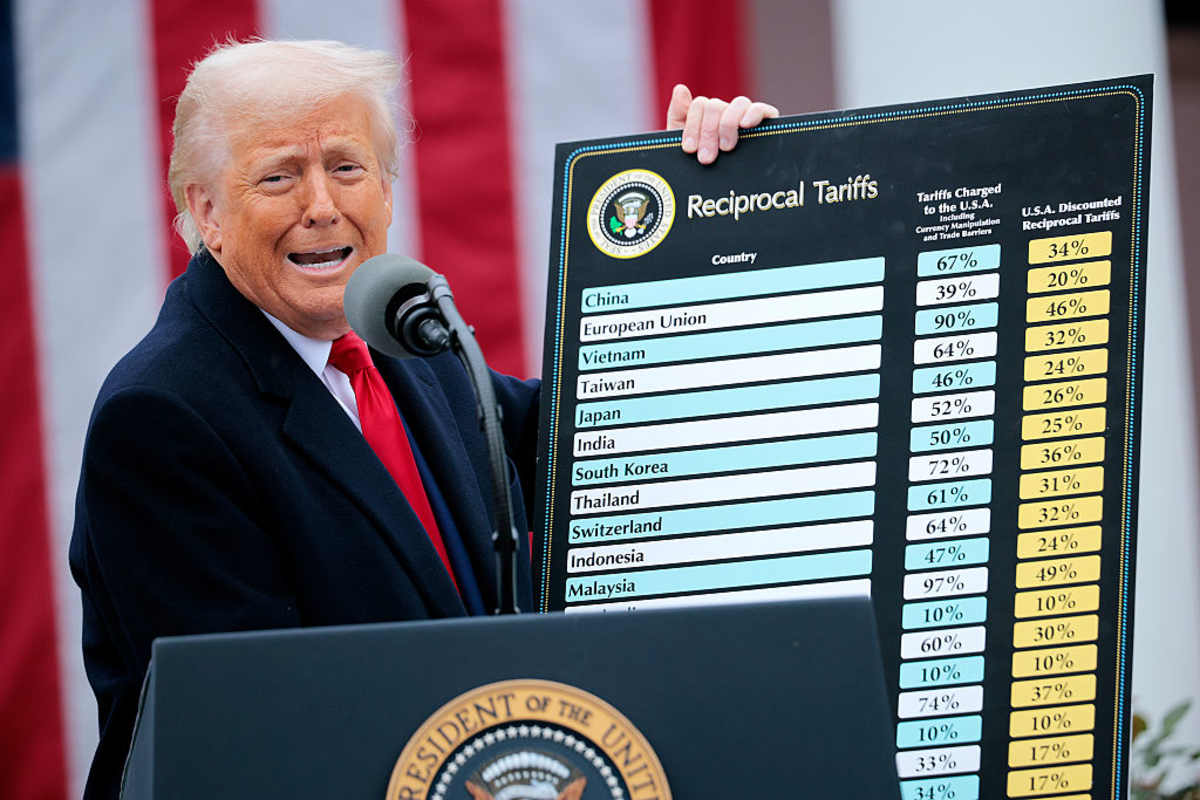
Late Tuesday, the USTR released a report investigating 60 trading partners. The report found they failed to ban forced-labor goods, which unfairly hurt domestic manufacturers. The probe was conducted under Section 301 of the Trade Act of 1974, and it found that six countries have failed to effectively enforce existing laws: Canada, Ecuador, the European Union, Indonesia, Mexico, and Pakistan. Based on the argument of an uneven playing field, the USTR proposed a 10% tariff on goods imported from these countries.
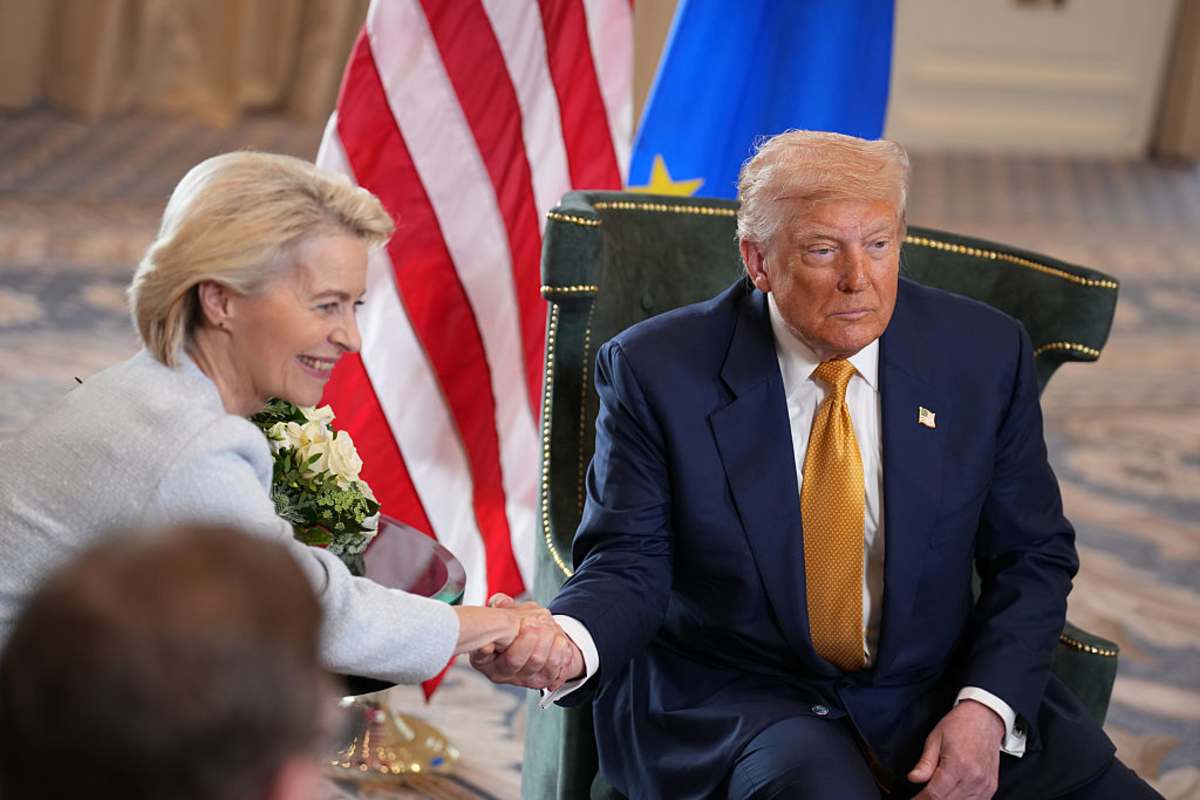
The report further determined that the other 54 economies, including the United Kingdom, China, Norway, Switzerland, Japan, India, Israel, Qatar, and Saudi Arabia, have failed to impose and effectively enforce bans on imports made with forced labour, due to which an additional 12.5% tariff is proposed. Reacting to the report, China said it opposed any form of unilateral tariff and refuted allegations of forced labour. "There is no so-called forced labour in China, and we oppose using this as an excuse for political manipulation," Chinese foreign ministry spokesperson Mao Ning said, according to the BBC. Meanwhile, the European Commission said the EU was committed to the trade deal that was agreed with the U.S. President last year. The EU is set to hold a vote later this month to lower tariffs on U.S. goods as part of the agreement struck last July.
However, the USTR said it would exempt from the tariffs a number of products, including rare earth metals and certain other metals, energy, beef, coffee, certain fruits and vegetables, pharmaceuticals, aircraft parts, and organic chemicals, with more details yet to come.
In its proposal, the USTR said it was also looking to introduce a textile mechanism that would allow for a certain volume of apparel and textile imports to enter the U.S. at a reduced tariff rate, but the exact volumes for the mechanism weren't disclosed. The agency is expected to unveil more findings in another investigation into the buildup of excess industrial capacity in 16 trading partners, including China, which can further increase the tariffs, as per Reuters.
For nearly a century, the United States has prohibited the importation of goods made with forced labor. It is time for our trading partners to follow suit.
— United States Trade Representative (@USTradeRep) June 3, 2026
Today, Ambassador Greer determined that the acts, policies, and practices of 60 economies related to the failure to… pic.twitter.com/JWyRCDyXHL
Previously, on Monday, the USTR proposed a sweeping 25% duty on many Brazilian goods after concluding its investigation under the Section 301 investigation into the country's digital trade practices and preferential tariffs. On the same day, Trump adjusted tariffs on some steel, aluminum, and copper imports, lowering some tariffs on farming equipment from 25% to 15% to manage rising costs, the Associated Press reported.