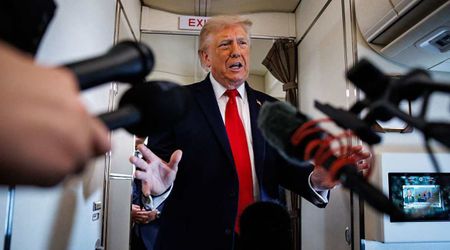
President Trump shares proposed Iran peace framework with Israel, other allies: Report
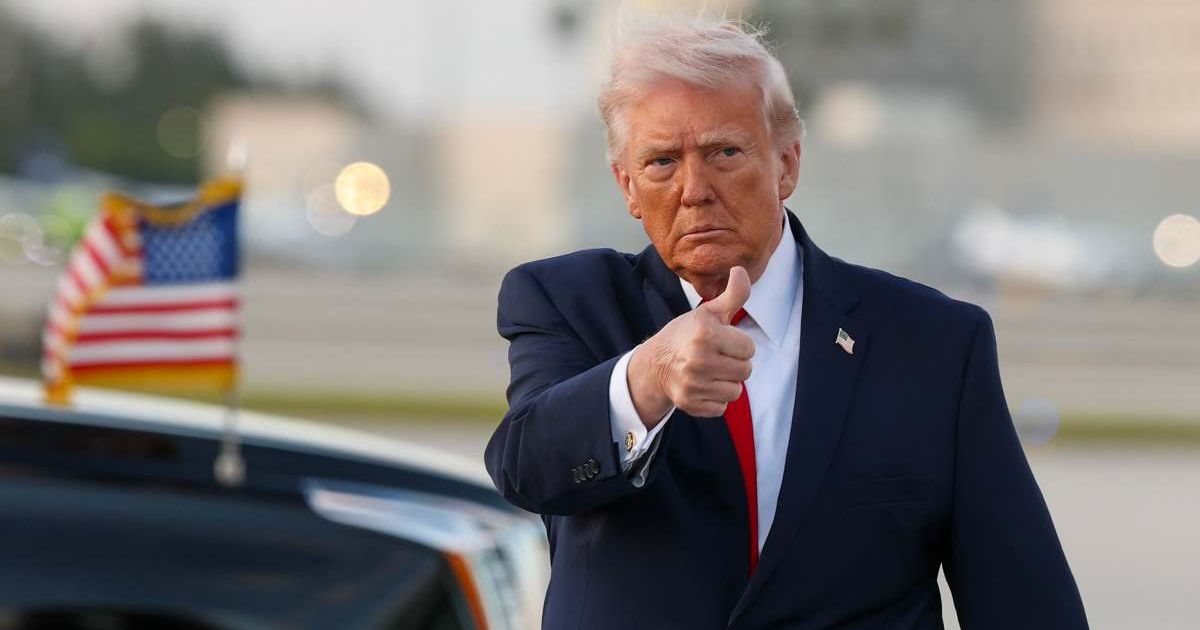
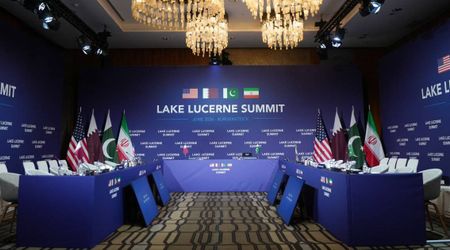
Amid the delicate ceasefire between the United States and Iran, reports have emerged indicating that the Middle East conflict may finally be heading towards an end. However, the final decision would have to be taken by President Donald Trump. After Axios first reported that the two countries' negotiators have finalised a deal which now awaits the President's approval, The Guardian's diplomatic editor, Patrick Wintour, wrote in an article that a draft of the Iran peace proposal has been sent to U.S. allies, including Israel.
As per the multiple news outlets, the plan primarily addresses the Strait of Hormuz and Iran's weapons programs in exchange for sanctions relief. However, the proposed deal still lacks absolute clarity. The White House has stated that as part of the deal, negotiators from both sides have agreed on a 60-day extension of the ceasefire, to allow room for further talks; Iran has not confirmed the development. Meanwhile, both Iran and the U.S. have carried out attacks on each other. While the U.S. claimed that the attacks were a necessary defensive measure, Iran has justified its strike on Kuwait as retaliatory.
At 10:17 p.m. ET on May 27, Iran launched a ballistic missile toward Kuwait that was successfully intercepted by Kuwaiti forces. This egregious ceasefire violation by the Iranian regime occurred hours after Iranian forces launched five one-way attack drones that posed a clear…
— U.S. Central Command (@CENTCOM) May 28, 2026
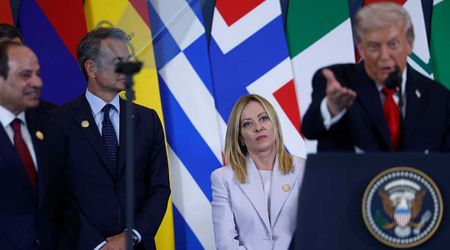
After President Trump's cabinet meeting on Wednesday, the Trump administration's stance appeared characteristically combative yet transactional, muddying the waters of an already turbulent diplomatic landscape. While President Trump asserted that Tehran was "very much intent" on securing a deal, he also cautioned that the U.S. was fully prepared to "finish the job" if negotiations faltered. One of the key demands of the Iranian side includes a cessation of Israeli military activities against Lebanon, which analysts believe Israel would be unwilling to accept. Additionally, President Trump has asserted that a peace deal may involve mandating Arab countries to sign the Abraham Accords, normalizing diplomatic relationships with Israel.
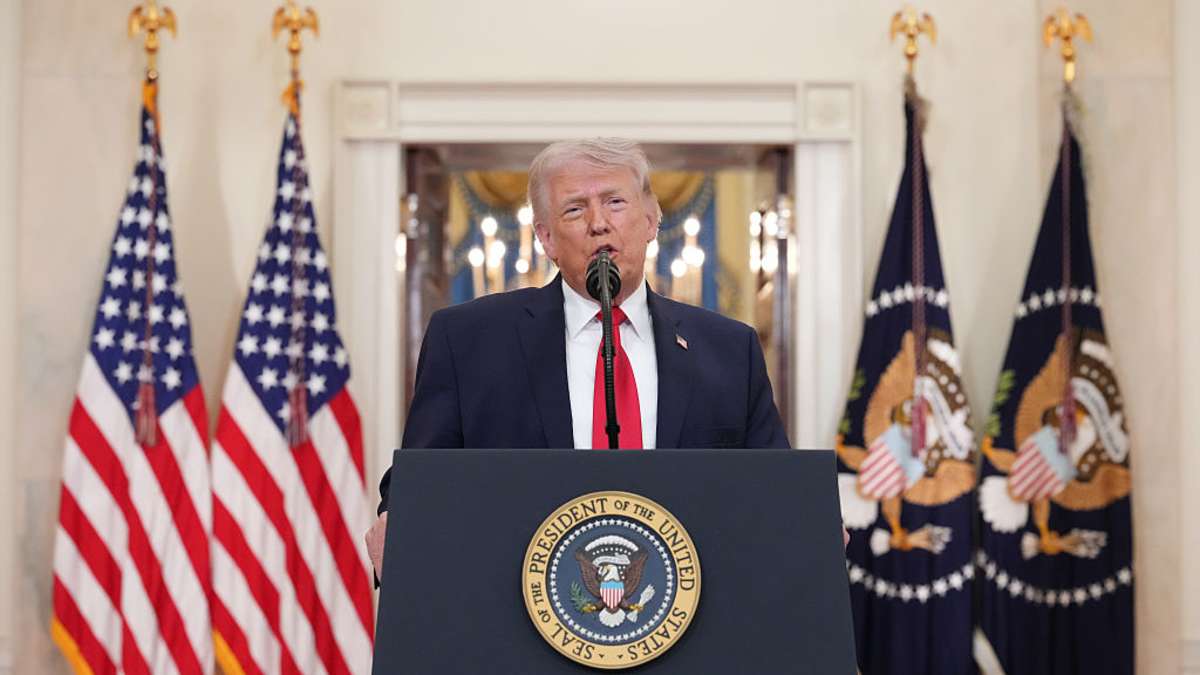
According to the Axios report, two U.S. officials and a regional source involved in the mediation efforts said that an MOU has been prepared and agreed upon by both Washington and Tehran. The draft, if approved by the senior leadership, including President Trump, would extend the ceasefire for 60 days and launch negotiations on Iran's nuclear program. "This is an agreement to get everybody to the table. We will work out the details in the negotiations," one of the U.S. officials was quoted as saying. However, President Trump said that "he wants a couple of days to think about it," as per a U.S. official quoted by the publication.
EXPECTED TERMS OF US-IRAN 60-DAY CEASEFIRE EXTENSION, PER AXIOS:
— The Kobeissi Letter (@KobeissiLetter) May 28, 2026
1. The ceasefire will be extended via a "Memorandum of Understanding"
2. This establishes a 60-day window to "launch negotiations on Iran's nuclear program"
3. During the 60-day period, shipping through the…
Earlier reports had indicated that a ceasefire deal would include "unrestricted" shipping through the Strait of Hormuz, free of any tolls, and Iran would remove all mines from the strait within 30 days. The U.S., in exchange, would lift the US blockade of Iranian ports, and Tehran would be given access to as much as $12 billion in frozen assets. However, with no official confirmation from Iran yet and President Trump indicating that the U.S. is prepared to extend negotiations, it remains unclear whether the draft will be accepted as a first step towards a peace deal.