'A wound in Christian memory': Pope Leo XIV issues historic apology for Church's role in slavery
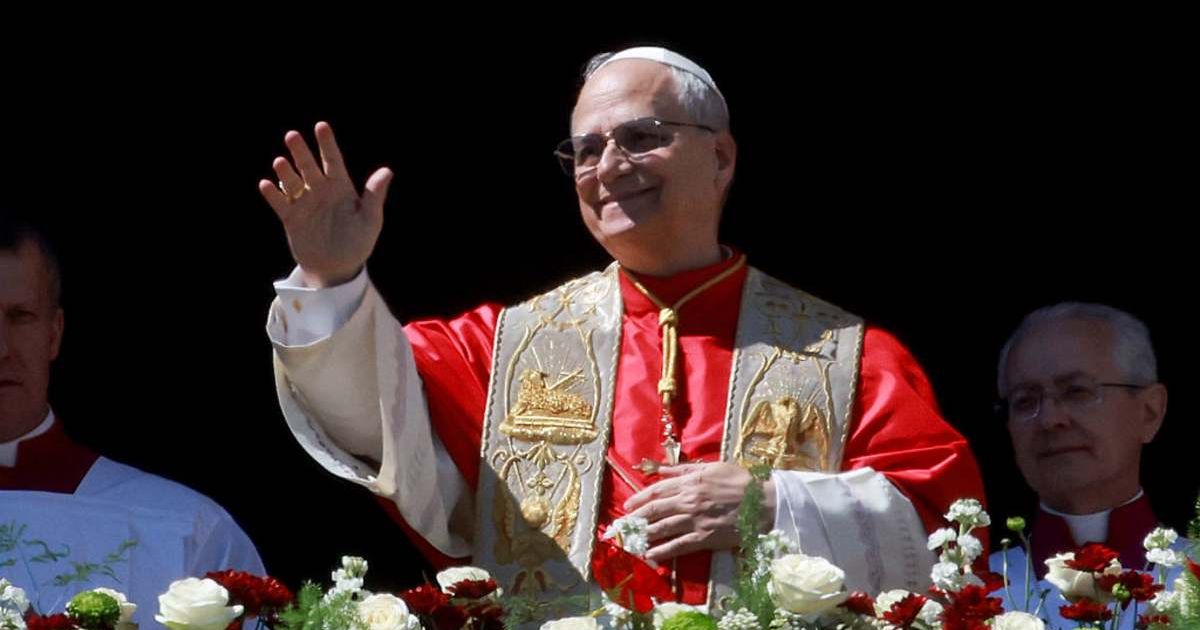
In his first encyclical, 'Magnifica Humanitas' (Magnificent Humanity), released on Monday, Pope Leo XIV issued a historic apology for the Vatican's role in legitimizing slavery. Acknowledging that the Church had taken centuries to fully recognise "the scourge of slavery" directly violates human dignity, the Pope called the historical record "a wound in Christian memory."
"It is impossible not to feel deep sorrow when contemplating the immense suffering and humiliation endured by so many in stark contrast to their immeasurable dignity as persons infinitely loved by the Lord," Leo wrote in a key passage in the manifesto, as per Associated Press. "For this, in the name of the church, I sincerely ask for pardon," Leo, the first American-born pope, whose family history includes both enslaved people and slave owners, as per the report, added.
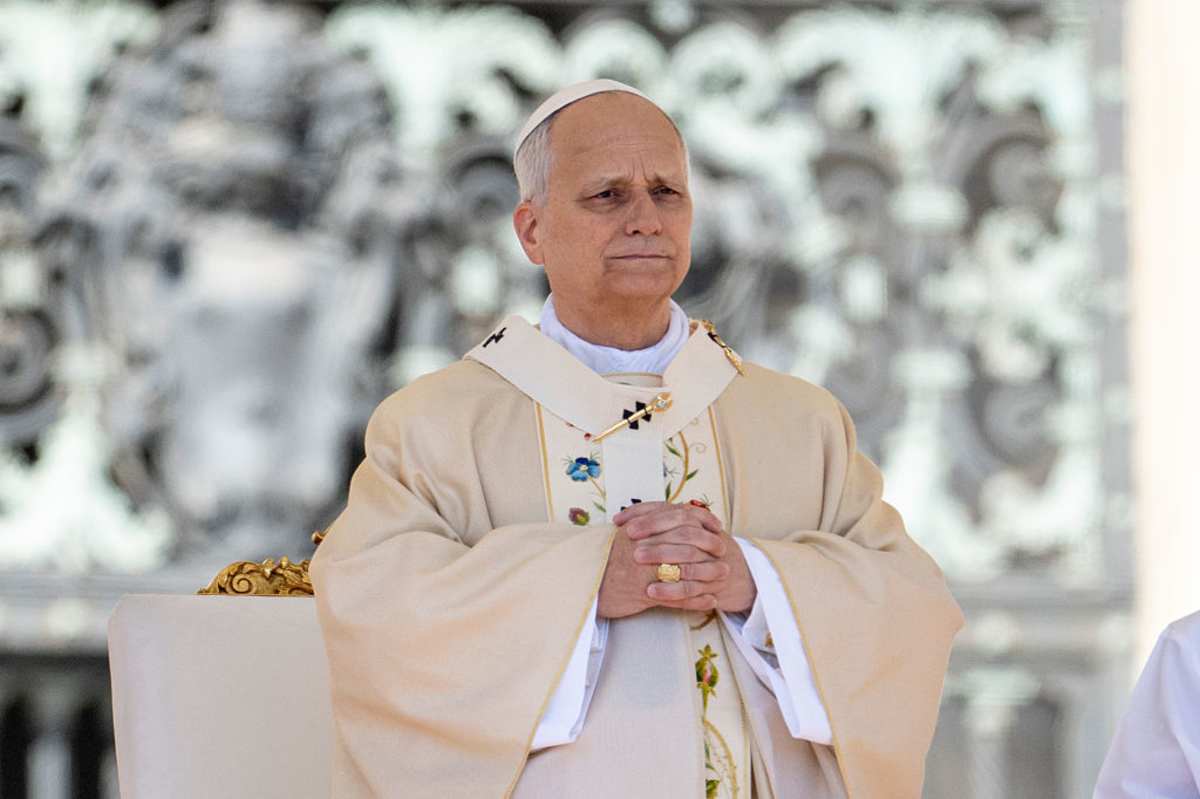
The Pope traced the Church's historic complicity towards slavery on certain occasions by regulating and legitimising forms of subjugation, giving European rulers explicit authority to subjugate and enslave "infidels." He noted in the encyclical that after a long era of doctrinal and practical inconsistency, the Church only reached a "formal, absolute and universal condemnation" of slavery in the 19th century under Pope Leo XIII.
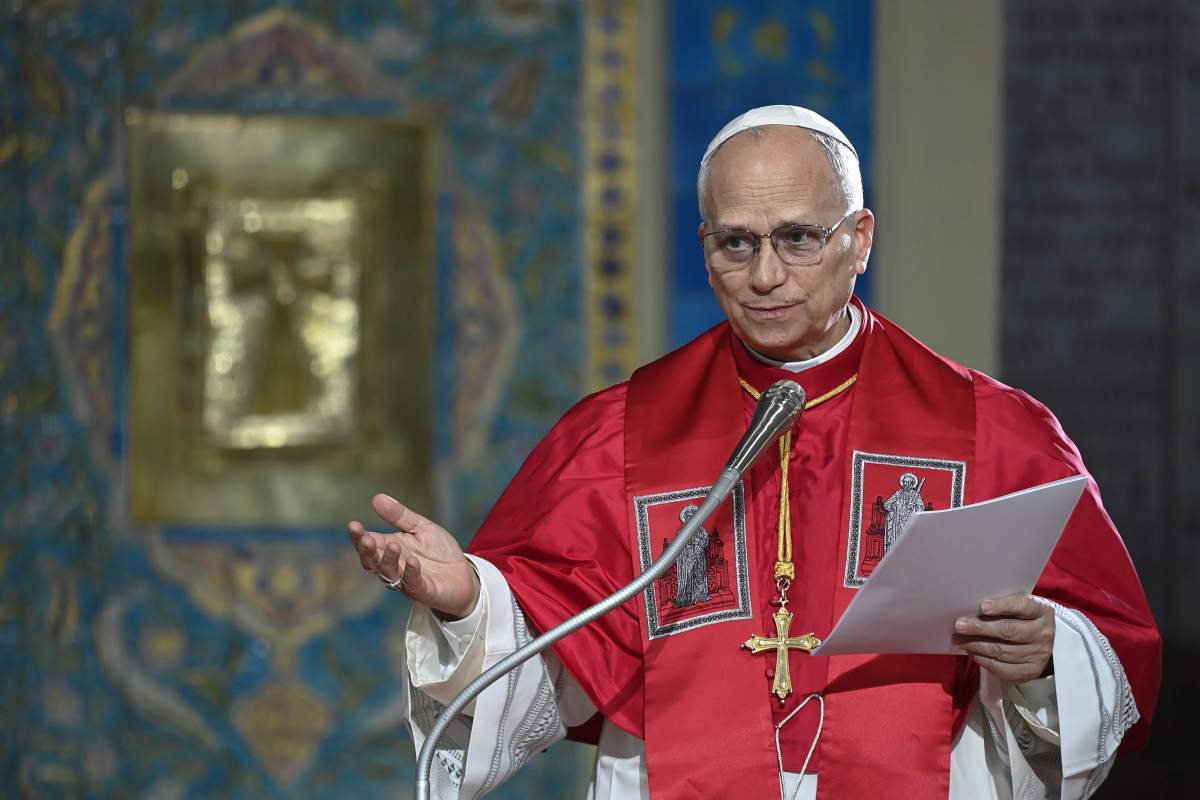
The statement marks the first time that a pope has explicitly admitted to the Vatican's role in slavery, diverting from past papal statements that blamed individual believers rather than the Church itself. As per a Reuters report, during a 1985 visit to Africa, Pope John Paul II sought forgiveness specifically for the suffering inflicted by "men belonging to Christian nations." More recently, Pope Francis condemned modern human trafficking and formally repudiated the 15th-century papal bulls used by colonial powers to justify conquest and slavery.
NEW - Pope LEO XIV apologizes for the church's role in slavery, in his encyclical letter, calling it a "wound in Christian memory," and also warns about "new forms of colonialism," including the collection and control of health data. pic.twitter.com/W8EzswsWNO
— Disclose.tv (@disclosetv) May 25, 2026
Despite the Vatican's longstanding stance of the Church defending the inherent dignity of every person as a child of God, several papal decrees issued during the 15th century granted Portuguese rulers authority to conquer territories in Africa and the Americas and enslave non-Christians. One such decree was the 1452 papal bull Dum Diversas, issued by Pope Nicholas V, as per Associated Press. It authorized the Portuguese crown and its successors to "invade, conquer, fight and subjugate Saracens, pagans and other infidels" and seize their lands and possessions. The document further permitted the Portuguese to "reduce their persons to perpetual slavery."
"Although there was not always consistency in practice—given that slavery was long tolerated before being unequivocally condemned—there has been a continuous affirmation throughout history of the dignity of every human being, created in the image of God, even if it took eighteen centuries for its full incompatibility with slavery to be explicitly recognized," Pope Leo XIV stated. "This constitutes a wound in Christian memory, one from which we cannot consider ourselves detached."