Is Trump's 'anti-weaponization fund' really dead? A federal judge isn't convinced
A federal judge is not entertaining the Justice Department's claim that the $1.8 billion 'anti-weaponization fund' is dead after officials refused to put that commitment in writing. In a ruling on Wednesday, Judge Leonie Brinkema of the U.S. District Court of Alexandria, Virginia, ordered the case to proceed, citing concern over the President's consistent support for the fund and Acting Attorney General Todd Blanche's acknowledgement that its underlying purpose remains "important."
Trump wants use YOUR tax dollars for a $1.8 BILLION dollar slush fund for his buddies.
— Senator Jeff Merkley (@SenJeffMerkley) May 25, 2026
The kicker? Acting Attorney General can’t promise those funds wouldn’t go to convicted January 6th insurrectionists.
HELL NO. pic.twitter.com/N4xLxCfyND
Brinkema specifically cited Acting Attorney General Blanche's refusal to issue a new memo rescinding the one that established the fund as one of the reasons behind her decision. "I'm not committing to putting anything in writing. And I said it over and over again," Blanche was quoted as saying. The case, brought by a group of individuals and organizations perceived by the Trump administration as ideological or political opponents, will now proceed to standard civil discovery, with the DOJ ordered to respond by July 17.
ALERT: Another challenge against Trump's $1.7 billion slush fund
— Scott MacFarlane (@MacFarlaneNews) June 23, 2026
23 Democratic state attorneys general ask federal judge in Miami to probe "scheme" by Team Trump to "deceive the court"
They ask court to "rectify the fraud perpetrated upon the Court & deter future misconduct" pic.twitter.com/dScKhg492a
The DOJ had been given the option to end the litigation by filing written declarations under penalty of perjury affirming what its officials had already stated publicly. Instead, the court noted, the department filed a notice declining to provide such declarations, claiming they were "unnecessary" and that compelling senior executive branch officials to submit them raised "serious separation of powers concerns."
ALERT: 35 Former federal judges file motion in Florida asking court to *re-open* Trump's $10 billion lawsuit vs. his I.R.S.
— Scott MacFarlane (@MacFarlaneNews) May 27, 2026
Filing: "This court was deceived"
"The 'settlement' commandeers the contrived sum of $1.776 billion from the U.S. Treasury"https://t.co/7qY5gCTtYU pic.twitter.com/8er93MnwDg
The court had earlier blocked the controversial fund "until further notice," unconvinced by Blanche's public assurances that the administration had scrapped the plan amid bipartisan backlash. The preliminary injunction was first issued on May 29, 2026, at which point Brinkema gave the administration one week to provide a sworn statement. The Wednesday ruling, according to legal experts, suggested the judge has serious reservations about the trustworthiness of statements made by the country's chief law enforcement official.
Democrats forced votes to BAN Trump’s slush fund to pay insurrectionists.
— Senator Patty Murray (@PattyMurray) June 12, 2026
Republicans blocked it—giving Trump the green light to use YOUR taxpayer dollars to pay convicted cop beaters and insurrectionists. It's disgusting and corrupt. https://t.co/aWR7yld1nT
Government attorneys repeatedly argued that lawsuits challenging the fund were moot given that it was not going forward, but the court disagreed, finding that the President and Blanche's continued interest in compensating alleged victims of government weaponization, the DOJ's unwillingness to provide sworn declarations, and Blanche's refusal to rescind the May 18 memo that established the fund's structure all pointed to the conclusion that the case remained very much alive.
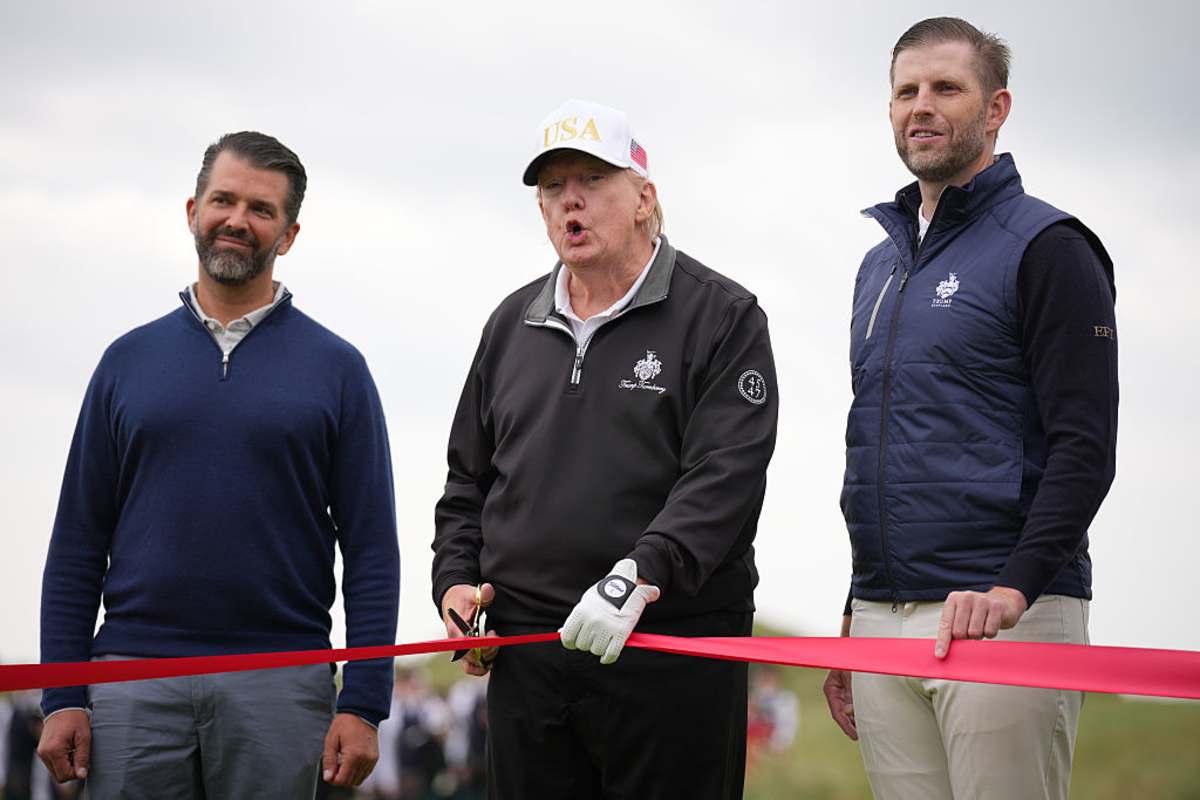
The fund, announced in May, sought to compensate those who claimed to have suffered "weaponization" and "lawfare" at the hands of the Biden administration. It carried a $1.776 billion budget managed by a five-member board empowered to issue monetary awards and formal apologies. The fund emerged from the settlement of Trump's $10 billion lawsuit against the Internal Revenue Service, which he filed alongside his sons Donald Trump Jr. and Eric Trump and the Trump Organization in January, following the leak of their tax returns.