'It's an embarrassment' Sen. Mark Kelly says Russia is the biggest beneficiary of the US-Iran war
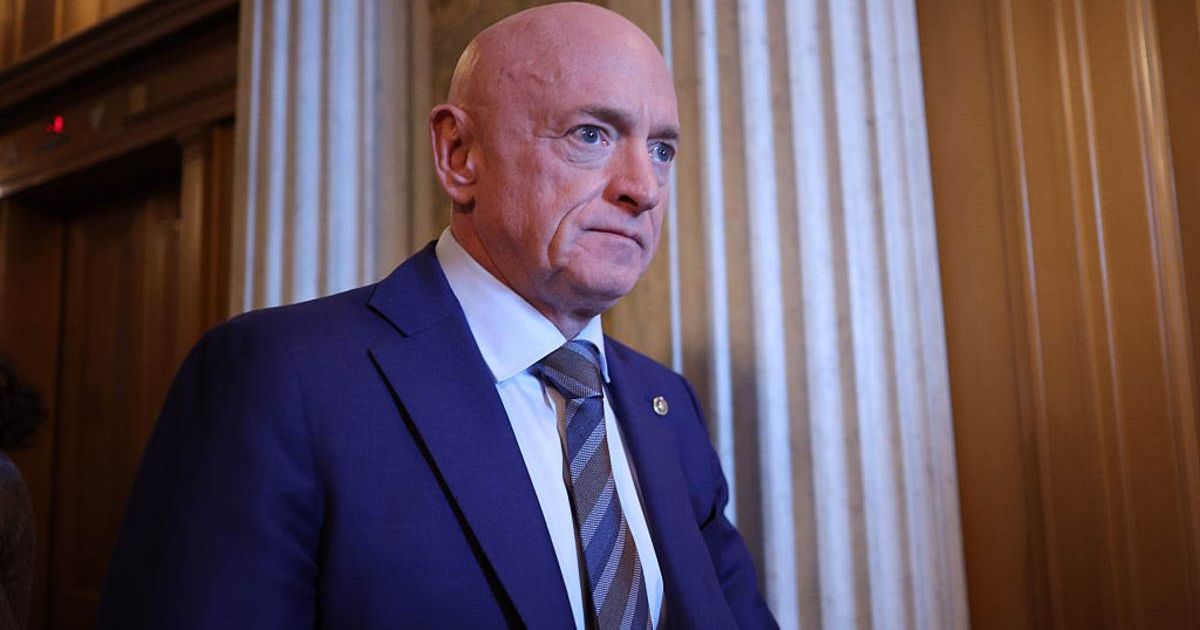
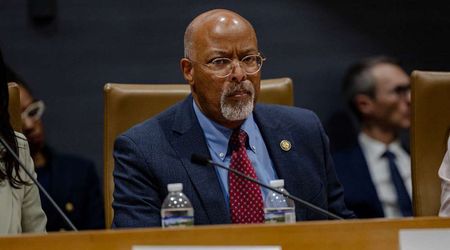
U.S. lawmakers are raising concerns over President Donald Trump's military action in the Middle East, alleging that the nation's adversaries, particularly Russia, have emerged as the biggest beneficiary of the war. After the administration took additional steps to allow more Russian oil shipments to be sold in global markets to ease skyrocketing crude oil prices, Arizona Senator and Navy combat veteran Mark Kelly tore into the officials, demanding answers on whether the president was fully briefed on the risks of escalation in Iran and the potential closure of the Strait of Hormuz. Taking to X, he claimed it wasn't a strategic move from the U.S but "an embarrassment".
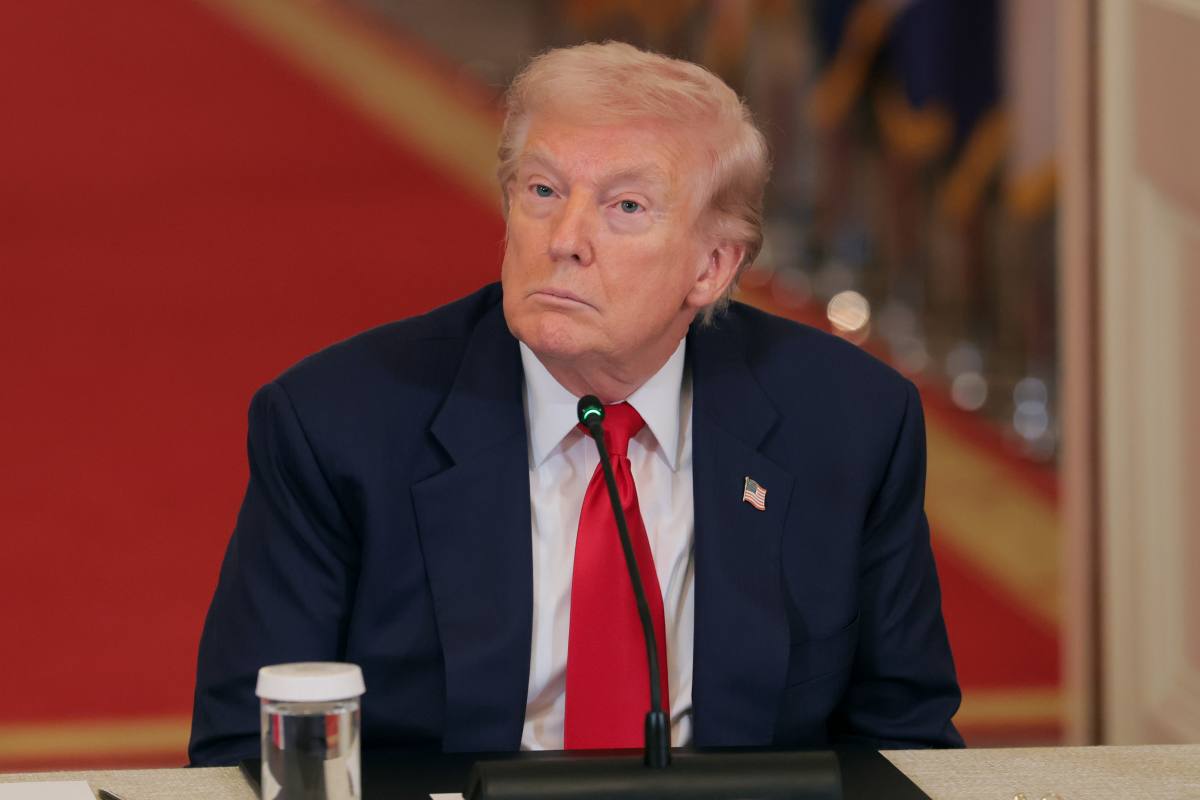
Last week in an SSCI hearing, Sen. Kelly questioned intelligence officials on the U.S. loosening sanctions on Russian oil and Moscow using the fresh revenue in its own war efforts against Ukraine. He also raised questions on transparency in briefing the president about the imminent risks of a joint U.S.-Israel military strike on Tehran. While many of his questions went unanswered, the Senator recently took to X to express his frustration. "The big winner from Trump’s war so far? Russia," he wrote in his post. He alleged that Moscow has benefited from the higher oil prices and loosening of sanctions, while funding its war against Ukraine and helping Iran. "Putin has Trump’s ear, while the Russians are helping Iran target our troops. That’s not a strategy, it’s an embarrassment," he concluded.
The big winner from Trump’s war so far? Russia.
— Senator Mark Kelly (@SenMarkKelly) March 23, 2026
Higher oil prices help fund Putin’s war machine, and sanctions on Russian oil are being loosened to stabilize markets. Putin has Trump’s ear, while the Russians are helping Iran target our troops. That’s not a strategy, it’s an…
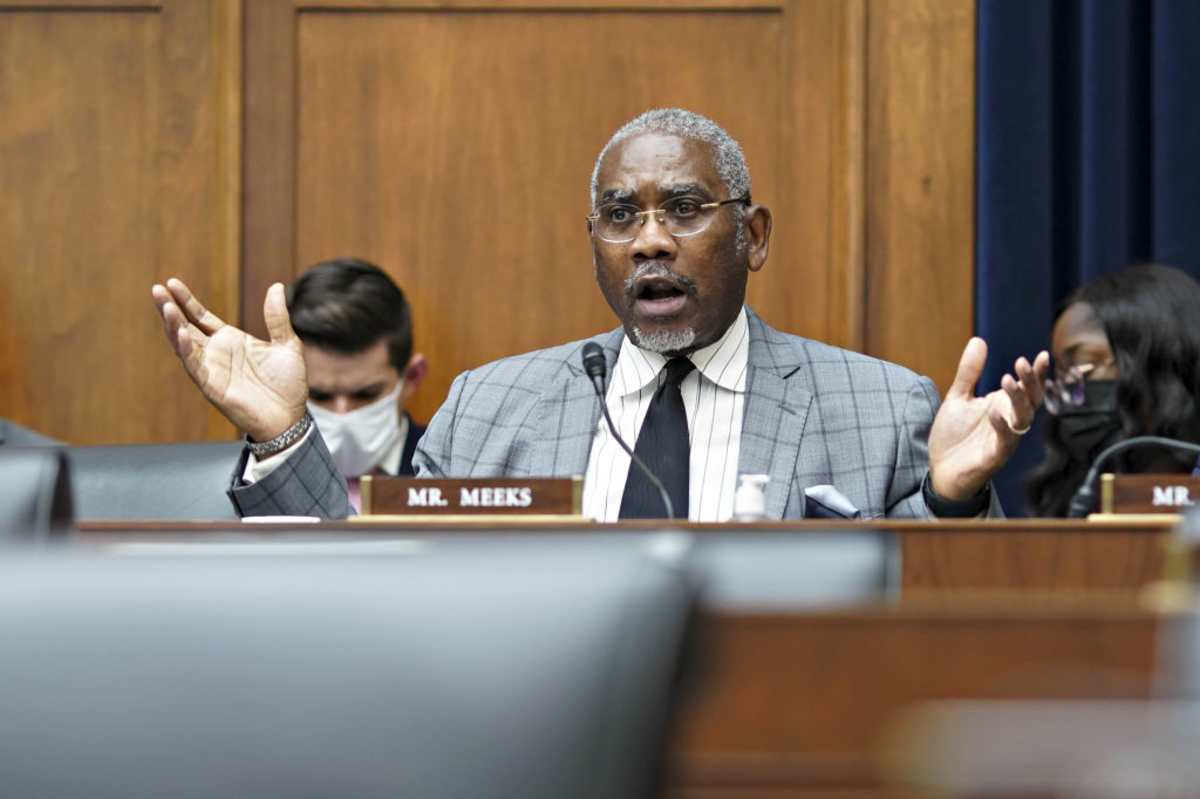
The comments come after the Trump administration issued a sanction waiver allowing the global sale of Russian and Iranian oil that had already been loaded onto ships, to stabilize crude oil prices and alleviate rising gas prices in America. However, lawmakers argue the move risks handing the Kremlin a financial windfall at a critical point in geopolitics. Raising similar concerns as Sen. Kelly, late last week, Representative Gregory Meeks of New York, House Democrat on foreign policy, and Republican Don Bacon from Nebraska sent a bipartisan letter to Treasury Secretary Scott Bessent and Secretary of State Marco Rubio pressing for details on the action and warning that the move could pose a threat to U.S. national security.
According to the BBC, after the U.S. loosened sanctions, allowing India to temporarily buy Russian oil, the crude oil sales of the Kremlin to India jumped by 50%. Furthermore, the price of Urals oil, a benchmark for the price of Russian oil exports, rose from under $60 per barrel to over $90 during the Middle East conflict. The publication reported that some estimates suggest Russia could earn up to $5 billion more by the end of the month, and register its biggest fuel revenue figures since 2022.
Apart from lawmakers, policy advisors have also raised similar concerns. Aleksandra Prokopenko, a former Russian Central Bank adviser, expressed that Russia may be looking to extend the conflict to keep benefitting from the high oil prices. "Moscow's ideal scenario for a Middle East war is not a swift victory or a catastrophic escalation, but a conflict of moderate duration and intensity that keeps oil prices high without significantly disrupting the global economy," she said in a post to X.