'Sometimes you have to escalate to de-escalate' Scott Bessent Defends Iran Strikes
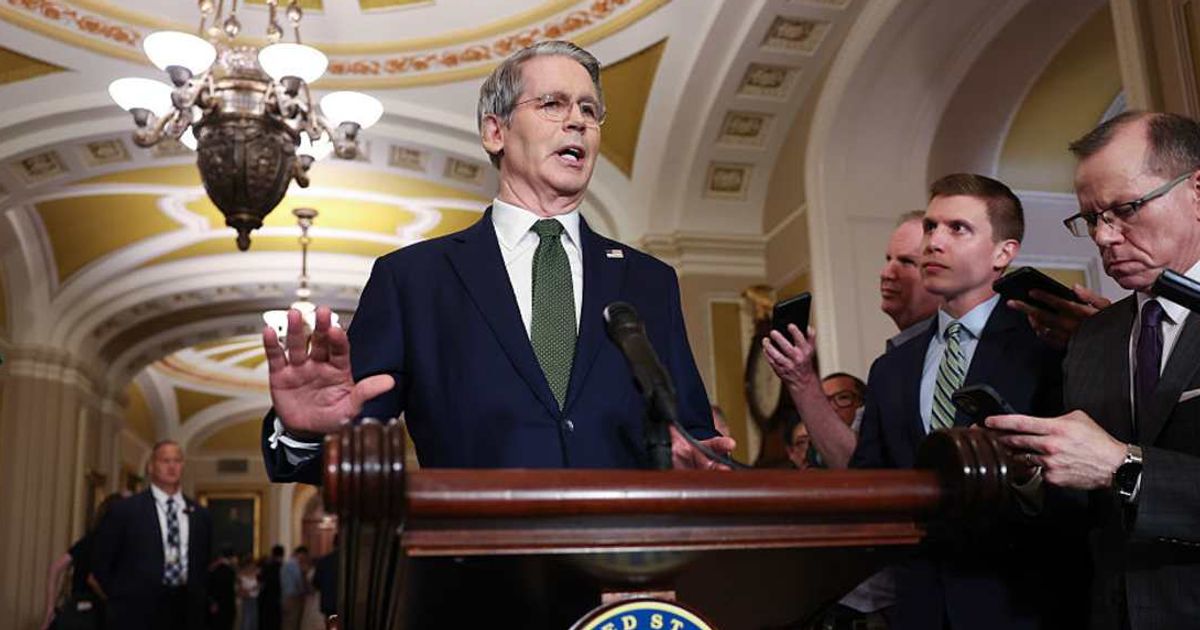
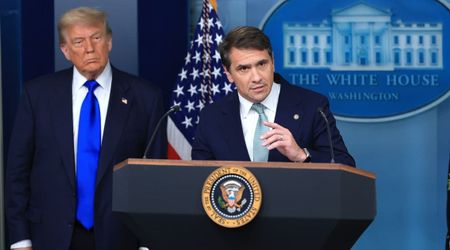
U.S. Treasury Secretary Scott Bessent defended strikes on Iran’s oil infrastructure hours after President Donald Trump issued threats to "obliterate" power plants in the conflict zone. On the joint strikes conducted by the U.S. and Israel so far, Bessent said, “sometimes you have to escalate to de-escalate," on NBC's Meet the Press event. Since then, the president has backed off from his threats, claiming Iran and the U.S. have agreed to hold talks. While the update sent the markets on a roller coaster ride, Iran's leadership denied any negotiations.
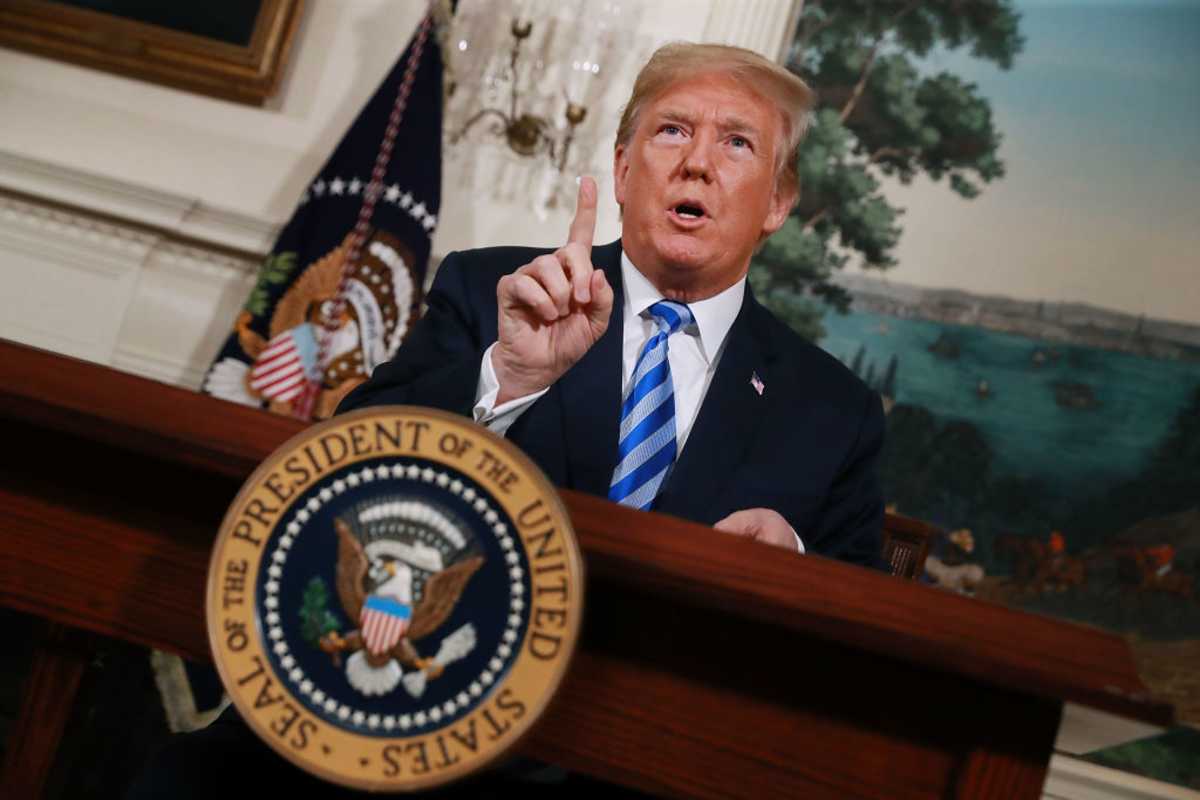
On Saturday, President Trump took to Truth Social to issue an ultimatum of 48 hours to Iran to open the Strait of Hormuz or risk U.S. military strikes on its key energy infrastructure. "If Iran doesn’t FULLY OPEN, WITHOUT THREAT, the Strait of Hormuz, within 48 HOURS from this exact point in time, the United States of America will hit and obliterate their various POWER PLANTS, STARTING WITH THE BIGGEST ONE FIRST!" he wrote in his post. In response, Iran's military said if its fuel and energy infrastructure is attacked, then Iran will strike similar infrastructure of the U.S. in the Middle Eastern region, NBC News reported.
Despite rising tensions, Bessent came out in defense of the president. When asked if Trump was winding down or escalating the war, he said, “They’re not mutually exclusive. Sometimes you have to escalate to de-escalate," at the press event. “This is the only language the Iranians understand,” he added. Following the comments, on Monday, Trump announced on Truth Social that the U.S. was pausing all plans of military strikes on Iran's energy infrastructure for five days as the two countries held talks about a "COMPLETE AND TOTAL" resolution. However, Iran denied the claims, accusing Trump of trying to manipulate the energy prices with such comments, CNN reported.
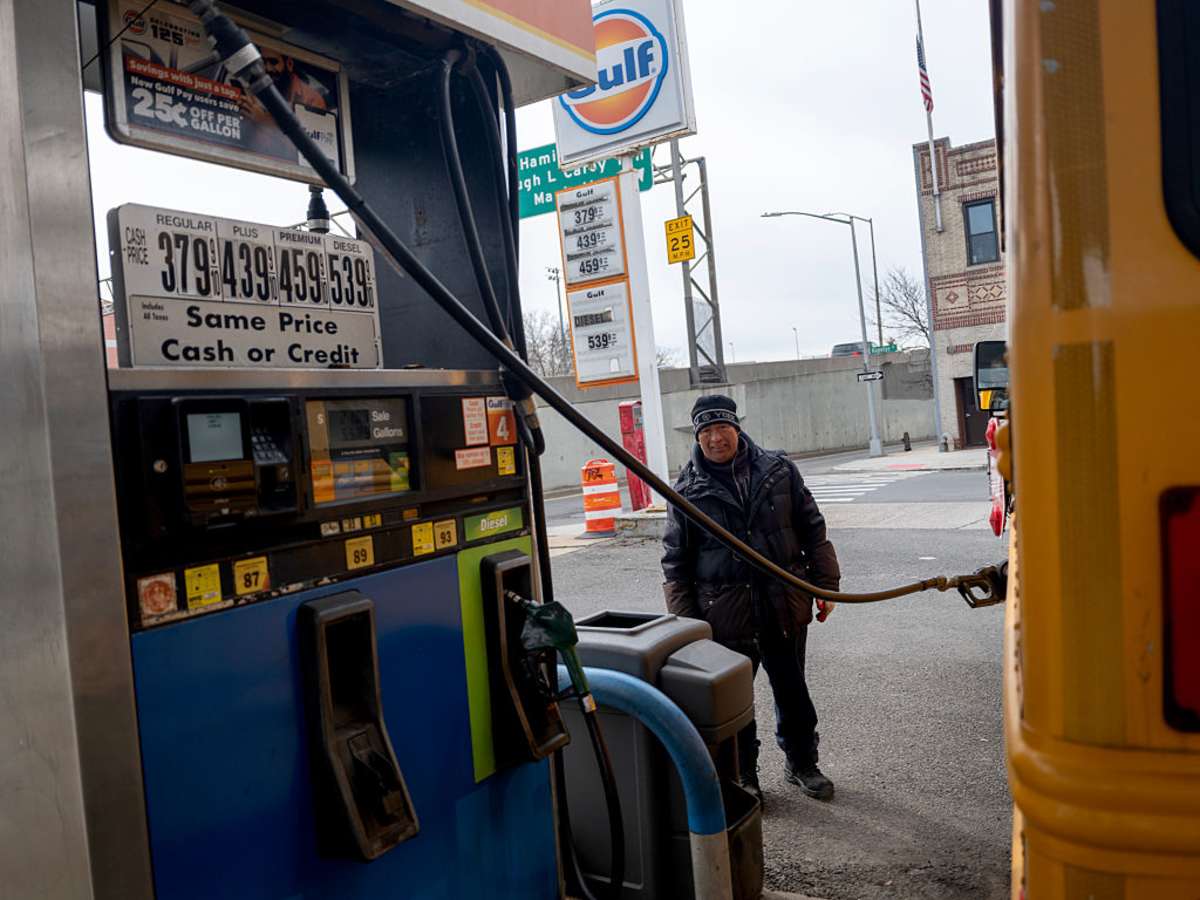
That seems to be true as the price of Brent crude sank to $96 a barrel after Trump's comments, after rising up to $113 hours earlier, according to the BBC. Bessent, as a part of managing the market turmoil, temporarily lifted U.S. sanctions on Iranian and Russian oil that had already been loaded onto ships. While the move drew criticism, the Treasury Secretary defended it at the NBC's Press Meet, claiming it would alleviate pressure on U.S. partners and lower the price of Iranian oil. “That Iranian oil was always going to be sold to the Chinese. It was going to be sold at a discount … So, which is better? If oil prices spiked to US$150 and they [Iran] were getting 70% of that, or oil prices below 100?” Bessent said.
The spike in crude prices has impacted Americans as gas prices have sharply risen in the past month. Despite saying the war would be "worth it", Bessent refused to put a timeline on when American consumers should expect the prices to normalize. “I don’t know whether it’s going to be 30 days. I don’t know whether it’s going to be 50 days. I don’t know whether it’s going to be 100 days,” he said. “But to have 50 years of peace in the Middle East and know that the Iranian regime is defanged,” Bessent argued, will be worth it.