Donald Trump extends Iran truce amid Pakistan push, awaits Tehran proposal
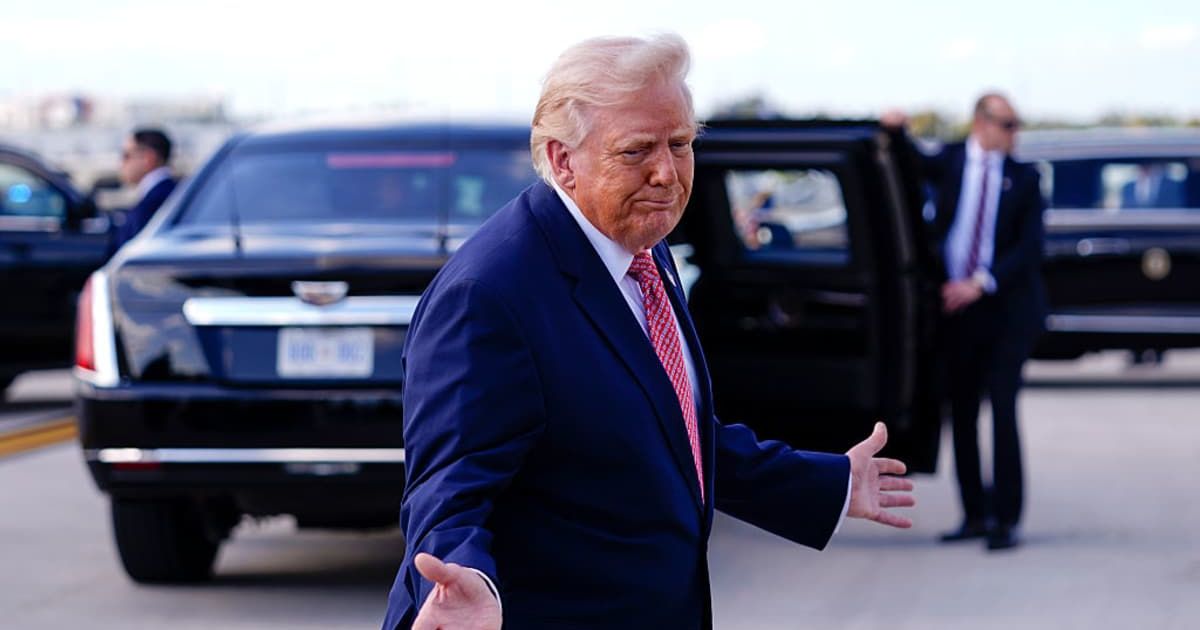
U.S. President Donald Trump announced an extension of the Iran ceasefire deal on Tuesday. In a Truth Social post, he acknowledged that the Iranian government was "seriously fractured" and, at the request of Pakistan's Field Marshal Asim Munir and Prime Minister Shehbaz Sharif, decided to extend the ceasefire until Iran's "proposal is submitted, and discussions are concluded, one way or the other." However, the U.S. naval blockade of the Strait of Hormuz would remain in place.
"We have been asked to hold our Attack on the Country of Iran until such time as their leaders and representatives can come up with a unified proposal," the President wrote. After the initial round of talks between the two delegations in Islamabad, Iran briefly opened the Strait of Hormuz, only to close it again after the U.S. refused to lift its naval blockade of the area.
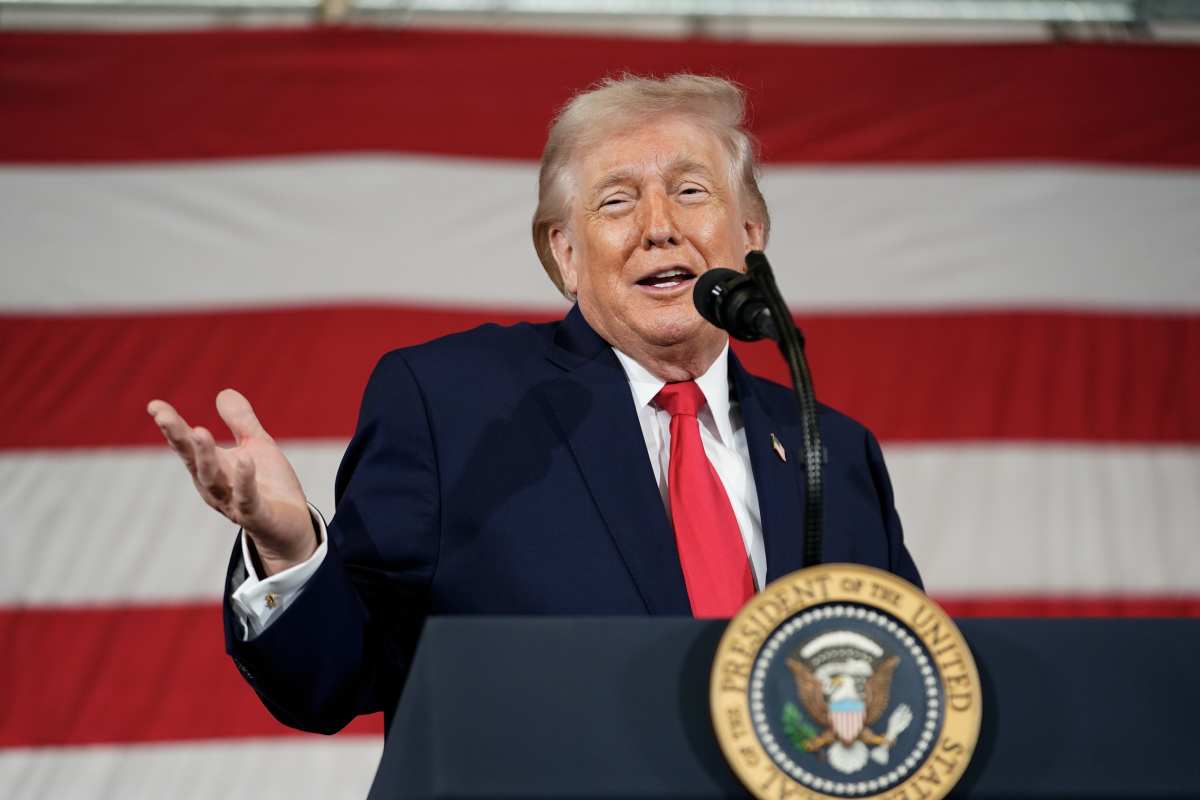
Trump did not provide a time frame in which Iran had to submit its proposal, but his announcement of the ceasefire extension came only a few hours after he said that he expected to bomb the country. "I expect to be bombing because I think that is the better strategy to go in with," he said in an interview with CNBC's Joe Kernen. "We are ready to go. The military is raring to go. They are absolutely incredible," he added.
Notably, hours before the President's announcement, the White House said that Vice President J.D. Vance would not be visiting Pakistan for a second round of talks with Iran. "The trip to Pakistan will not be happening today. Any further updates on in-person meetings will be announced by the White House,” a White House official said in a statement, The Washington Post reported. Tehran has indicated that it will not join the negotiating table as long as the U.S. naval blockade continues.
Blockading Iranian ports is an act of war and thus a violation of the ceasefire.
— Seyed Abbas Araghchi (@araghchi) April 21, 2026
Striking a commercial vessel and taking its crew hostage is an even greater violation.
Iran knows how to neutralize restrictions, how to defend its interests, and how to resist bullying.
Despite the uncertainty, Trump appeared confident about an Iranian delegation agreeing to visit Pakistan to discuss the terms of a peace deal soon. "I said they'll be sending them; they have no choice but to send them," the President said. "What I think is that we are going to end up with a great deal. I think they have no choice. We have taken out their navy, we have taken out their air force, we have taken out their leaders, frankly, which does complicate things in one way."