Canadian Prime Minister vows to reduce military dependence on the U.S. with new strategy
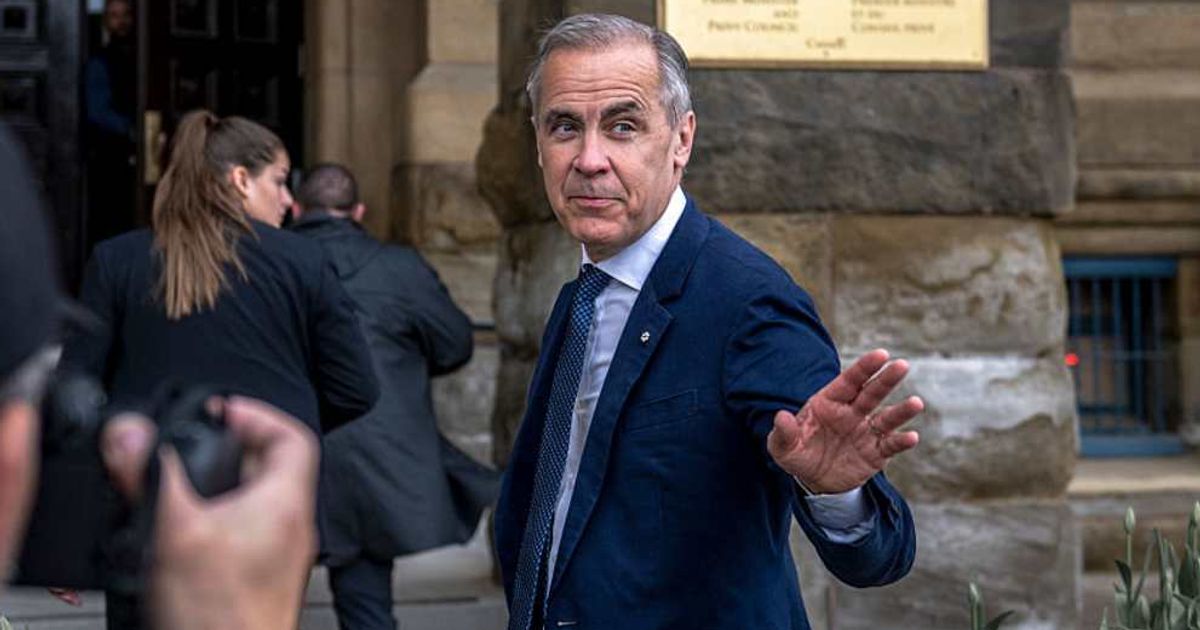
Canadian Prime Minister Mark Carney on Saturday announced that Ottawa will significantly reduce its military spending on the U.S., signalling a major shift toward domestic defense procurement policy. Speaking at the Liberal Party's national convention in Montreal, Carney declared: “The days of our military sending 70 cents of every dollar to the United States are over,” which drew a standing ovation from delegates in the audience. The Prime Minister also took a jab at U.S. President Donald Trump's tariffs, with a whiskey joke.
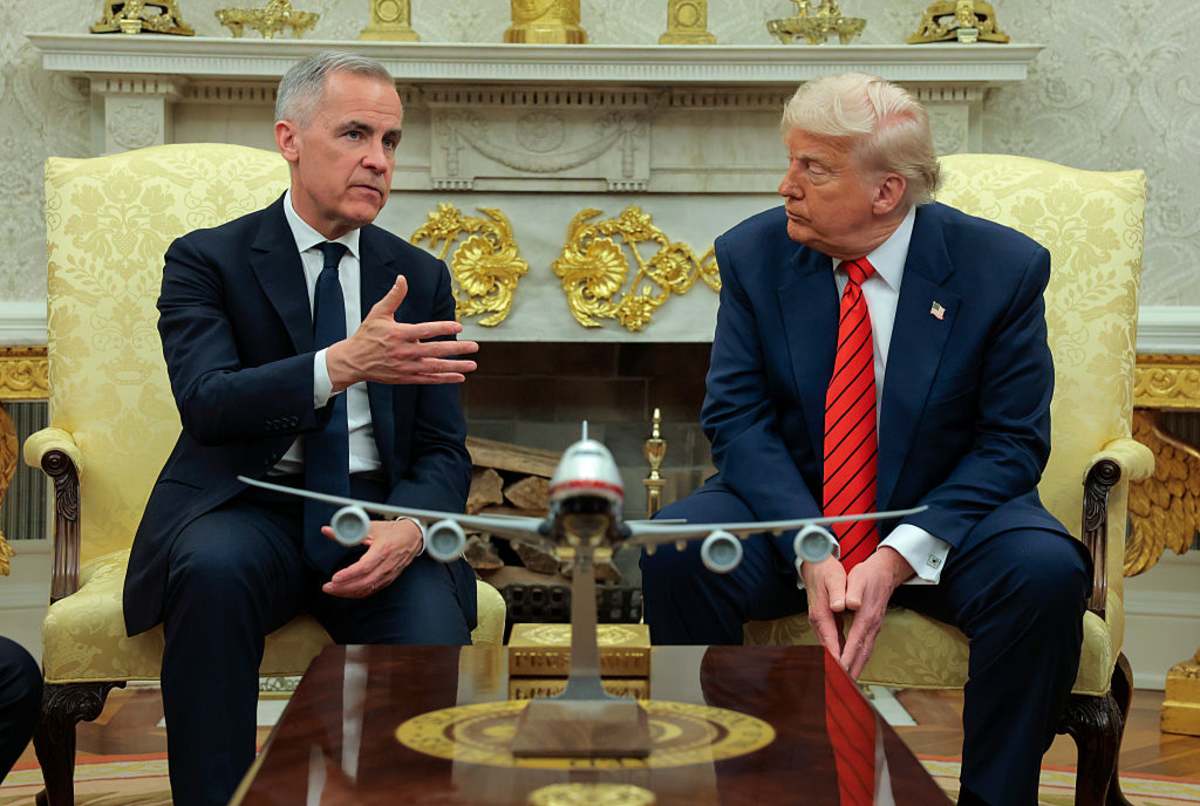
During his speech, Carney talked about Trump's tariffs and the strained relationship between Ottawa and Canada, while emphasizing the need for economic sovereignty and national unity. Outlining plans to prioritize Canadian-made materials and labor in future government projects, Carney said: “We are going to build Canada strong with Canadian steel, Canadian aluminum, Canadian lumber, Canadian workers," Newsweek reported. He further highlighted the "Buy Canadian" policy, adding that Canada seeks to double its non-U.S. imports in the next decade. While Canada currently spends 70% of its weapons budget on U.S. products, Carney said through its new defense strategy, Canadian firms will eventually hit that 70% mark instead and reduce reliance on Washington. At the same time, Ottawa is looking to strengthen defense cooperation with the European Union and the United Kingdom as well.
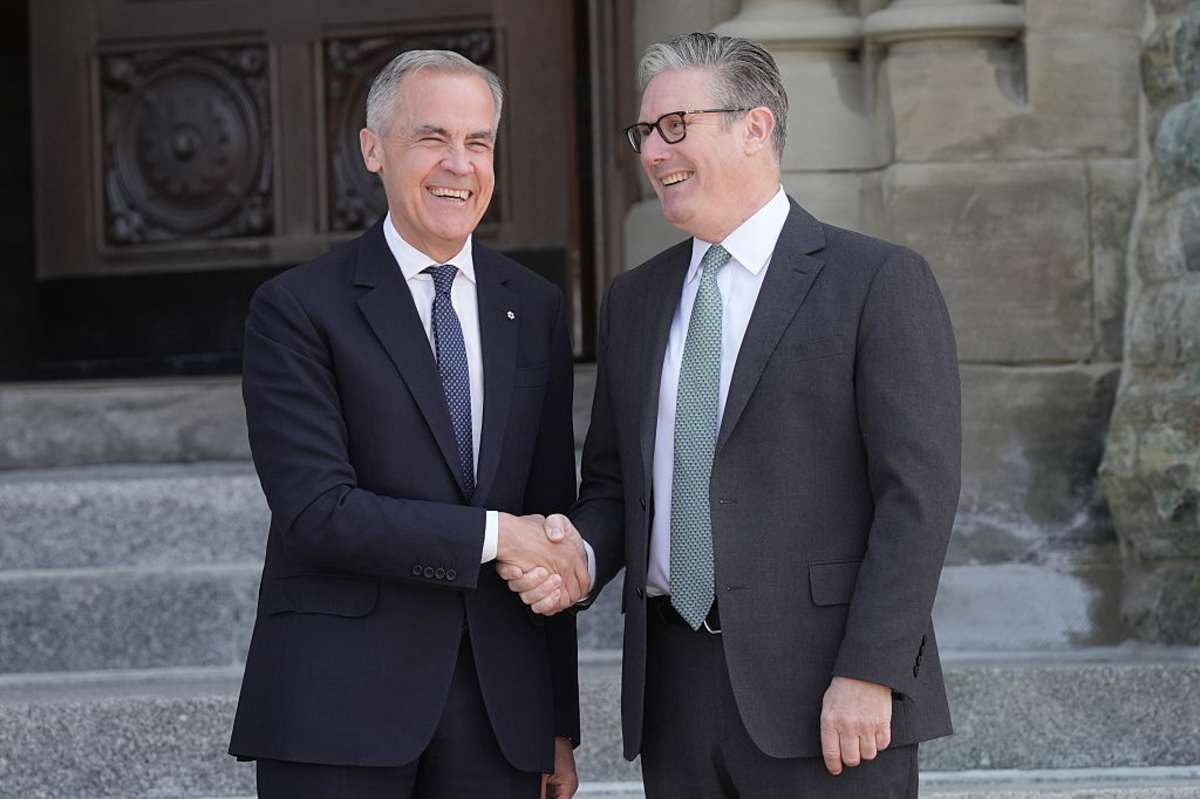
While the U.S. and Canada have historically been friendly powers, the relationship between the two countries has frayed since Trump returned to the White House. With high tariffs on Canadian imports, as well as his repeated references to the country as the U.S.’s “51st state,” Trump seems to have agitated the Canadian leadership and public, as widespread boycotts of American products in Canada have gained momentum. After Trump imposed tariffs on key imports from Canada, Carney indicated that Ottawa was looking into whether to cut a proposed deal for the purchase of Lockheed Martin F-35 fighters from the U.S. and look to purchase other jets instead. While the review was due to be wrapped several months ago, a final word from Ottawa is yet to come, Reuters reported.
Last June, Ottawa vowed to boost funding for the armed forces to hit NATO's 2% military spending target, five years earlier than promised, according to the publication. Furthermore, last December, Canada agreed to join the European Union's Security Action for Europe as well, whic h will provide Canadian companies with expanded access to the European market. Currently, almost half of Canada's defense production is exported, with about 69% of it flowing to the U.S. and Five Eyes partners, a closely knit intelligence sharing network that includes Washington, the United Kingdom, Canada, Australia, and New Zealand.
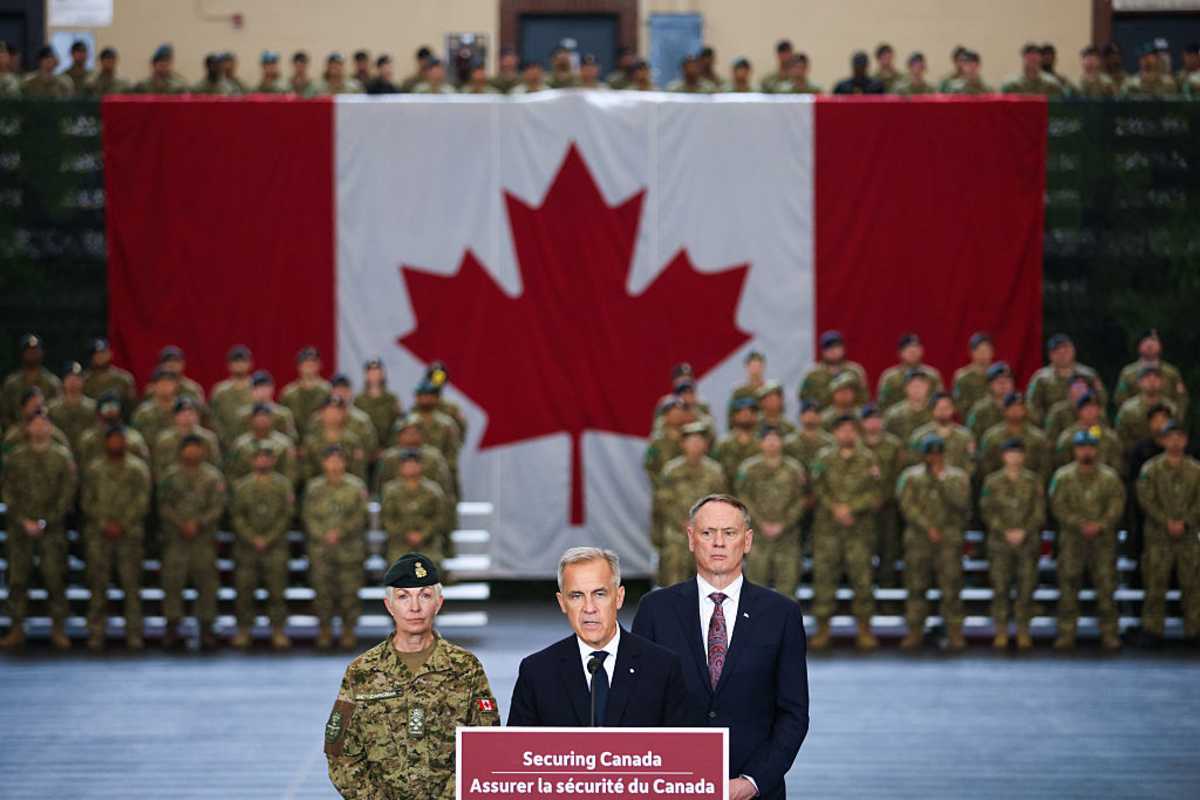
At the convention, Carney also celebrated that “small individual acts of solidarity” exhibited by Canadians, as many citizens chose to forego American holidays in favor of domestic trips and abstained from purchasing U.S. alcohol products. Carney made a joke referring to the development, saying, “Anyone had any bourbon recently?” triggering applause and laughter from the crowd. He went on to add that Canadians “are rediscovering" their own country with such acts.