Can Trump pull the US out of NATO? The law says it's complicated
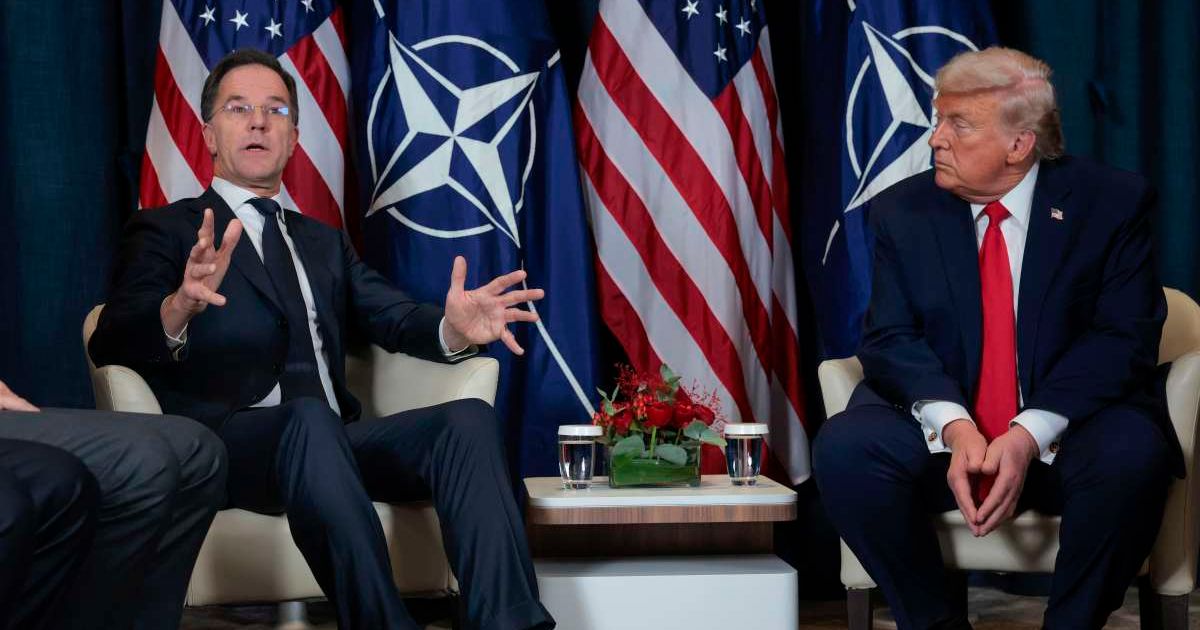
After what he described as a "very frank, very open" discussion with President Donald Trump, NATO Secretary General Mark Rutte acknowledged that North Atlantic Treaty Organization allies were slow to respond to U.S. requests in the war against Iran. "When it came time to provide the logistical and other support the United States needed in Iran, some allies were a bit slow, to say the least. In fairness, they were also a bit surprised," Rutte said after the meeting in Washington. He added that each NATO country "is now looking for what they can do to make sure the strait remains open."
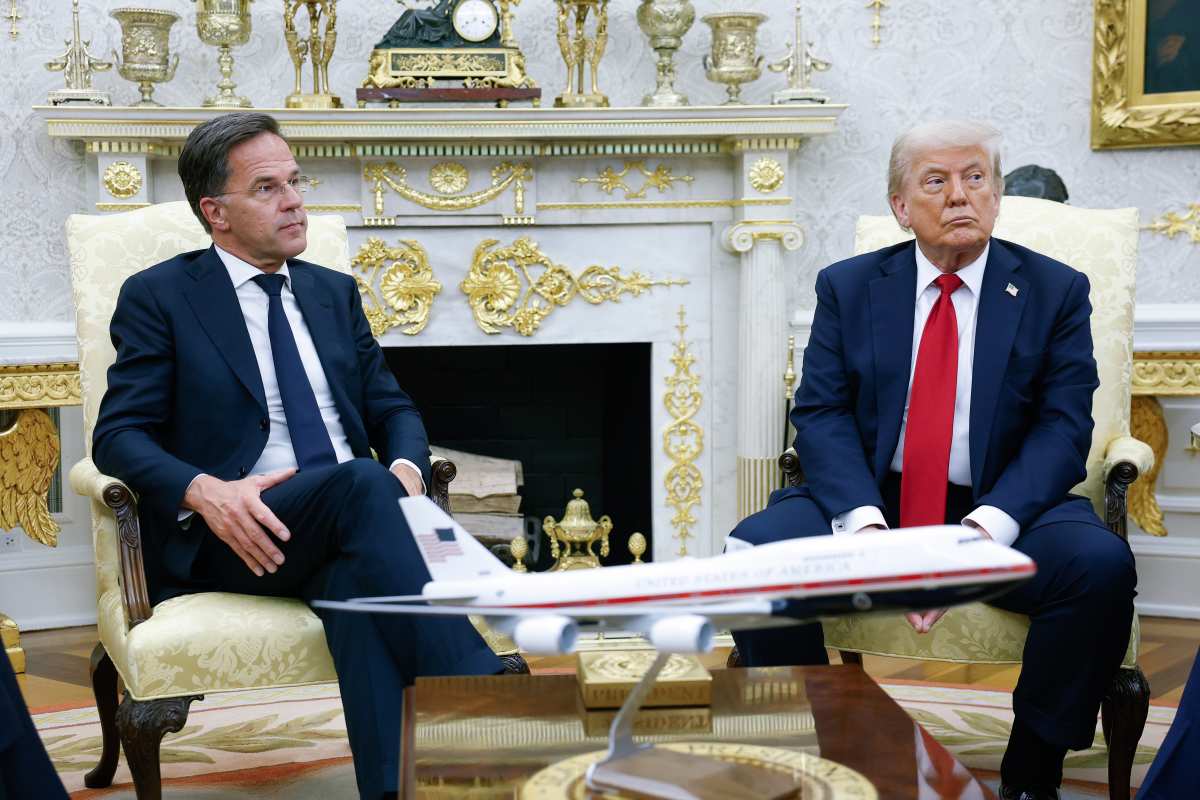
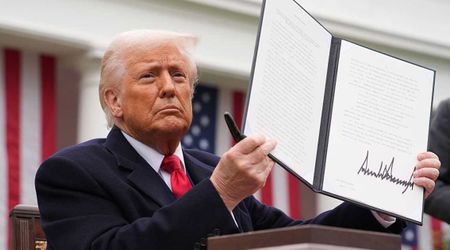
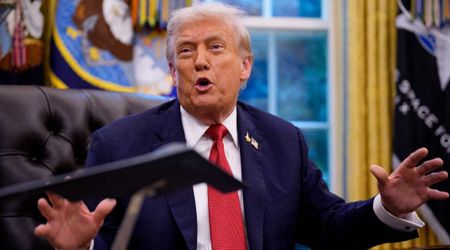
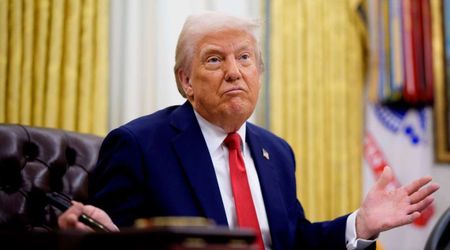
President Trump, meanwhile, remained vocal about his displeasure with NATO. Immediately after the meeting, he went on Truth Social to remind NATO of "that big, poorly run, piece of ice" Greenland and claimed that the alliance wasn't there "when we needed them." As per a Politico report, the meeting between Trump and Rutte was a tirade of insults, with the President reiterating his views on the alliance. Trump had earlier called NATO "a paper tiger" for refusing direct involvement in the Middle East. Later, he threatened to withdraw the U.S. from the 1949 post-World War II military alliance. Trump reportedly said that his decision is beyond reconsideration.
Can Trump withdraw the US from NATO?
NATO's withdrawal clause, under Article 13, allows any member nation to leave a year after providing a "notice of denunciation" to the U.S. government. But President Trump and his Cabinet face a critical legislative hurdle. A 2023 law, spearheaded by then-Senator and current Secretary Marco Rubio, mandates a two-thirds Senate approval or an Act of Congress to withdraw from the alliance. As per Section 1250A of the National Defense Authorization Act, the President cannot withdraw the United States from NATO "except by and with the advice and consent of the Senate, provided that two-thirds of the Senators present concur, or pursuant to an Act of Congress."
However, legal experts warn that the White House could pursue a "soft withdrawal" that bypasses Congress entirely. As Commander-in-Chief, President Trump commands authority over troops deployed in allied nations. The U.S. also holds the privilege of exchanging high-level military intelligence. As per a Reuters report, President Trump is mulling the possibility of pulling troops from Europe. The news agency quoted a White House official as saying that the President was discussing bringing back troops to the U.S. The NATO rift was also discussed in a Wall Street Journal article that reported that the President may withdraw troops from countries that were deemed "unhelpful to the Iran war effort."