Bernie Sanders slams 'AI oligarchs' joining Donald Trump on China trip
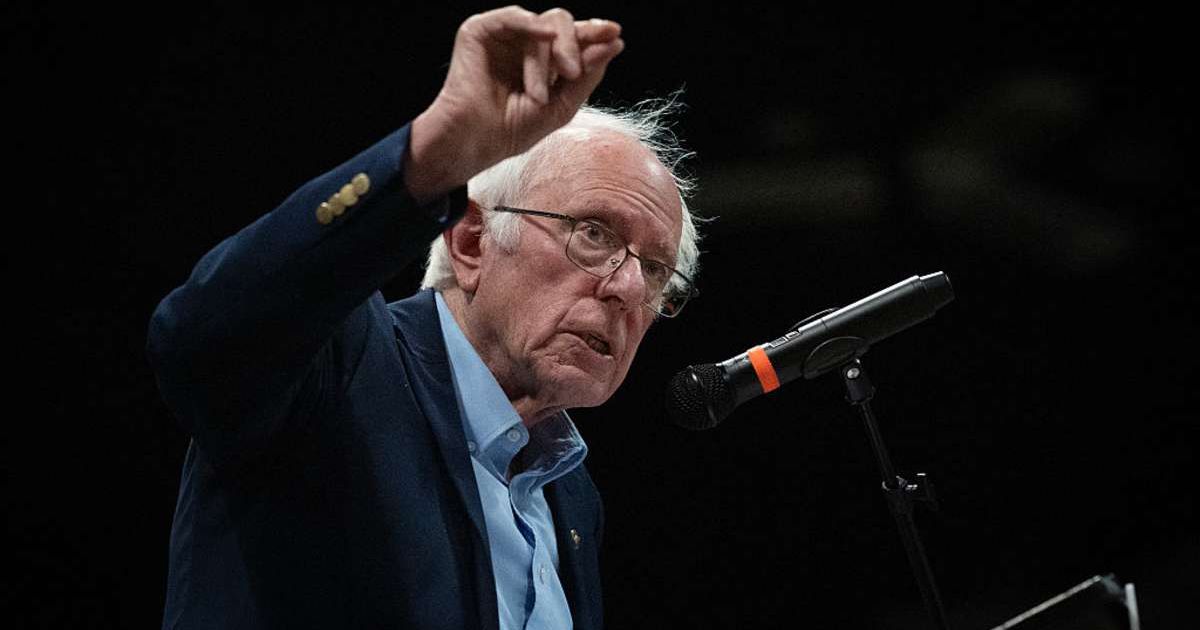
As prominent U.S. executives from Big Tech and Wall Street join President Donald Trump on his trip to China, Senator Bernie Sanders (I-Vt.) has raised an important question that may not be on their agenda. The stark critic of Artificial Intelligence in Washington, took to X to point to the massive net worth of some of the executives, raising concerns that they would raise the issue of AI replacing the jobs of middle-and low-income workers during the trip.
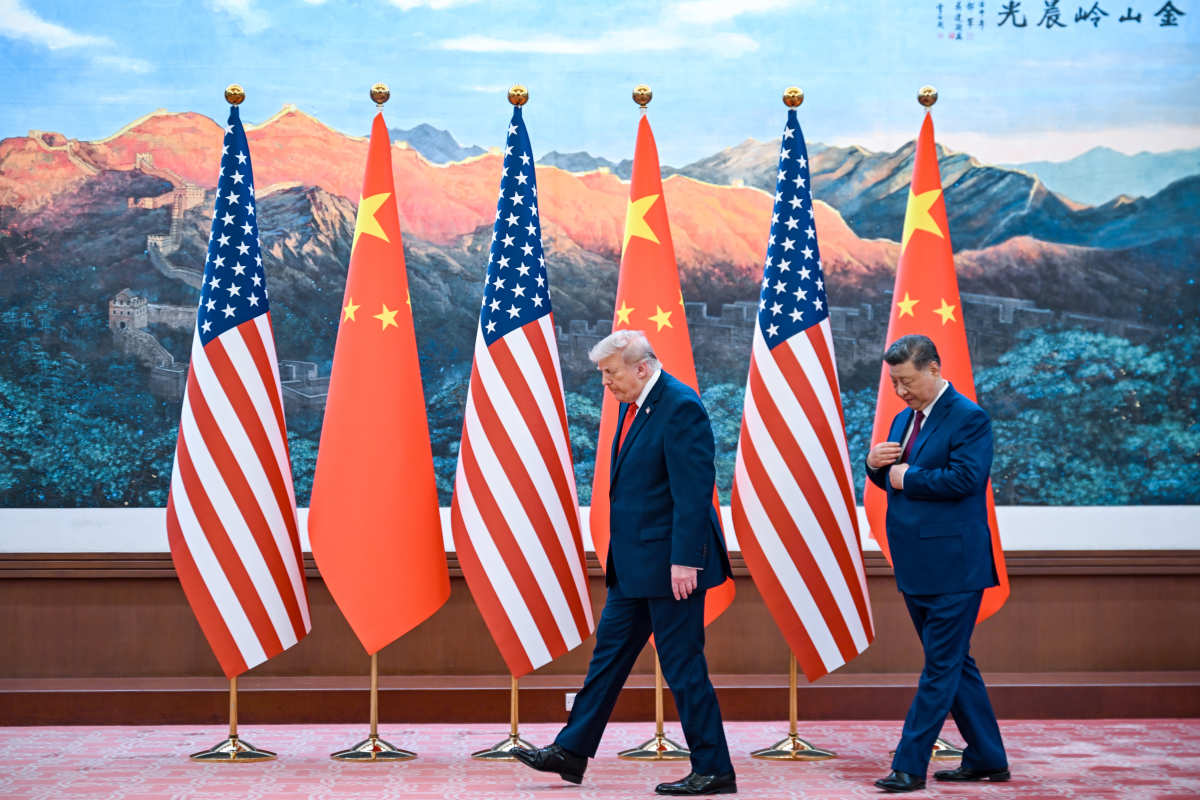
Among those joining the President on his official trip to Beijing are Nvidia's Jensen Huang, Tim Cook of Apple, Dina Powell McCormick of Meta, and Larry Fink of BlackRock, among other executives from JP Morgan, Boeing, Cargill, and more, as per Business Insider. The summit is taking place from Thursday to Friday, with crucial talks on tech cooperation expected to happen. At this time, Sanders, in his post, pointed to a crucial issue by noting the net worth of some of the top executives, whom he labelled "AI Oligarchs." "Do you think they're losing sleep over the millions of jobs AI could replace?" the senator from Vermont asked.
Net worths of the AI oligarchs joining Trump on his trip to China:
— Bernie Sanders (@BernieSanders) May 13, 2026
Elon Musk: $828 billion
Jensen Huang, Nvidia: $195 billion
Tim Cook, Apple: $2.9 billion
Dina Powell, Meta: $200 million
Do you think they’re losing sleep over the millions of jobs AI could replace?
The 84-year-old senator is one of the few federal lawmakers who is a vocal AI skeptic, and has voiced concerns about AI's "existential risk to humanity." While both Democrats and Republicans acknowledge the fierce competition with China, Sanders has argued that technology's risks require the opposite approach. "We're building a runaway train here," Sanders told reporters on a call earlier this month. "It's moving down the track at rapidly expanding acceleration, and we don't know where it ends up. We don’t know what its impact will be," he added, according to The Hill.
Last month, he, alongside Rep Alexandria Ocasio-Cortez, pushed a proposal for an AI datacenter moratorium on the construction of new AI data centers until strong safeguards are enacted. This means that if such technologies are to be deployed, they must improve the lives of workers instead of replacing them, he explained in his piece on Fox News.
Meanwhile, the news broke on Monday that the Nvidia CEO was included in the trip at the last minute by the Trump administration. The move highlighted how semiconductor policy has become central to the U.S.-China relationship, after Washington imposed restrictions on the export of advanced AI chips and semiconductors to China, citing security concerns. Huang, who leads one of the largest semiconductor makers in the world, had criticized the move, arguing it cost the U.S. a market opportunity, and he has long lobbied for wider access to the Chinese market, according to Gulf News.
While Trump's trip will result in major tech deals is a matter of speculation; his administration could take cues from China on the regulation of AI technology. China has a stringent approach to AI as its laws require companies to submit their models to Beijing for review on both security and political sensitivity grounds, as per The Guardian. Furthermore, this month, a Chinese court ruling outlawed companies from demoting or firing employees solely on the grounds of AI replacing them. The ruling, posted online by Hangzhou Intermediate People's Court, sided with a senior technology worker who was offered a demotion and transfer when his employer sought to automate his role with AI. Upon refusal, he was terminated, which led to the lawsuit. The court sided with the worker, stating, "The development of artificial intelligence technology is intended to liberate labour, promote employment, and benefit people's livelihoods," and that it should "consider protecting the legitimate rights and interests of workers," Quartz reported.