What are Iran's conditions for peace? Terms that could clash with Trump's stance on Tehran
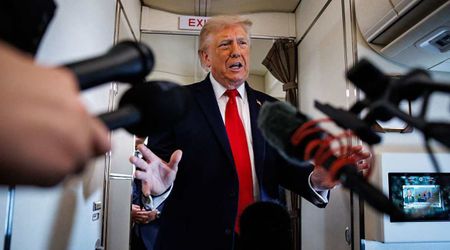
While President Donald Trump announced that he has had "very good and productive" talks with the Iranian regime that led him to pause the U.S.A.'s military offensive against Iran, Iranian state media has outrightly denied that any such conversation took place. Trump, however, clarified in a later exchange with reporters that Iran might not have gotten the information, as their communication channels were broken.
When asked to comment on Iran's denial of negotiations with the U.S., Trump said, "We have had very, very strong talks, and we'll see where they lead. We have major points of agreement. I would say almost all points of agreement. Perhaps that hasn't been conveyed. Communication, as you know, has been blown to pieces. They're unable to talk to each other." However, despite the President's claims, many have continued to question the possibility of preventing a larger crisis in the Middle East, particularly because of the conditions that Iran has publicly stated as conditions for it to accept a de-escalation.
Chief among Tehran's demands is a formal and permanent end to the war, accompanied by international guarantees against future military action, and the payment of reparations for damages that Iran suffered during the conflict. Tehran has also asserted that it will not put its ballistic missile developments on the negotiation table. However, given past statements made by President Trump, it is unlikely that the U.S. will agree to any of these terms.
2/ No negotiations have been held with the US, and fakenews is used to manipulate the financial and oil markets and escape the quagmire in which the US and Israel are trapped.
— محمدباقر قالیباف | MB Ghalibaf (@mb_ghalibaf) March 23, 2026
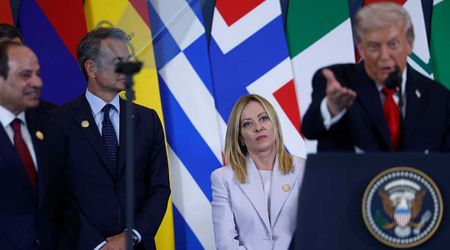
As Operation Epic Fury entered its second week, many questioned America's objectives of initiating a fresh conflict in the Middle East, with opposition lawmakers calling it a "war of choice." Criticism also came from Republican lawmakers questioning the President's promises of ending "forever wars". After winning the elections, Trump told his supporters that he is not going to start a war. "I'm going to stop wars," he said in his victory speech, adding, "We will measure our success not only by the battles we win but also by the wars that we end – and perhaps most importantly, the wars we never get into."
Trump is now openly saying we could be fighting in Iran “forever.”
— Rep. Teresa Leger Fernández (@RepTeresaLF) March 3, 2026
Meanwhile, here’s how much 3 days of conflict have cost you so far.
Americans are tired of forever wars. pic.twitter.com/7jdEWmgOSn
However, days after hosting the first meeting of his Board of Peace, Trump's stance towards Iran changed even as they were negotiating about getting Tehran back on track with its nuclear promises. As per several reports, Iran had reinitiated its nuclear programme after President Trump, in his first term, unilaterally withdrew from the Joint Comprehensive Plan of Action (JCPOA), popularly known as the Iran Nuclear Deal.
A straight up lie. Obama’s JCPOA halted Iran's nuclear weapons program, making America and the world safer. We argued then, correctly, that the likeliest alternative to the deal was war.
— Rep. Don Beyer (@RepDonBeyer) March 23, 2026
President Trump tore up that deal anyway, failed to negotiate a new diplomatic agreement,… https://t.co/Bu6HgPzJKF
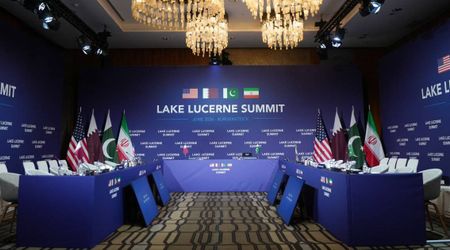
Meanwhile, despite Trump's ceasefire announcement, there have been reports about Iran launching attacks on Israel, causing damage and injuries in Tel Aviv. These retaliatory strikes have further complicated the fragile five-day pause. Even as Pakistan offered to host the two sides for a discussion on de-escalating the situation, reports claim that the Pentagon is considering deploying thousands of troops from the elite 82nd Airborne Division to the Middle East.