U.S. releases full text of 14-point Iran memorandum of understanding ahead of Friday signing
The United States has released the full text of its 14-point Islamabad Memorandum of Understanding with Iran, laying out sweeping commitments, from sanctions relief and the release of frozen assets to a $300 billion reconstruction fund and a restructuring of U.S. military deployments. Central to the deal is the immediate, toll-free reopening of the Strait of Hormuz, though the framework gives both sides just 60 days to negotiate a final, binding agreement. The agreement is likely to be formally signed on June 19 in Switzerland.
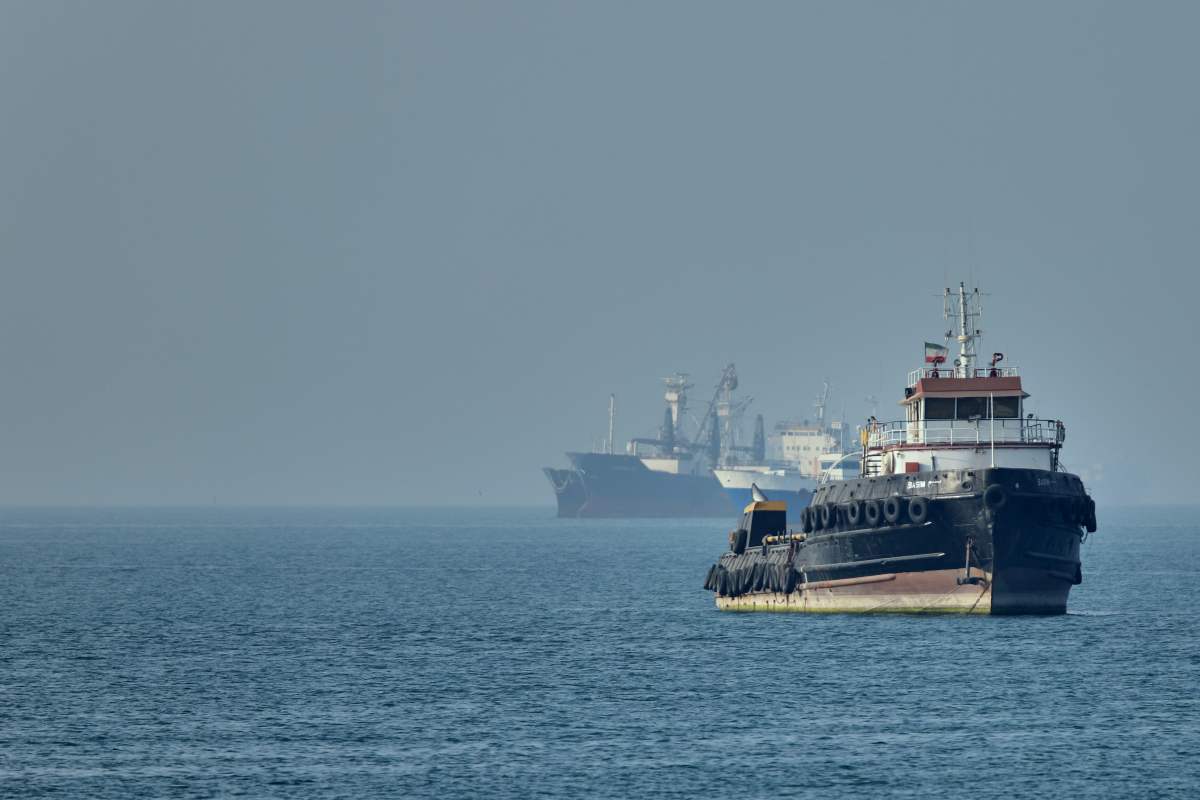
Commercial vessel traffic will resume immediately, with Iran committing to clear technical, military, and naval obstacles, including demining, within 30 days, the memorandum states. Iran and Oman, in collaboration with other Persian Gulf littoral states, will jointly determine the strait's long-term administration. In return, the U.S. will begin lifting its naval blockade upon signing, with a full withdrawal completed within the same 30-day window. This also includes American forces stationed close to Iran.
Thoughts on the “Ceasefire” with Iran:
— Antony Blinken (@ABlinken) June 17, 2026
President Trump should share the ceasefire agreement with the American people. They deserve to see it and draw their own conclusions about the results of the president’s war. Just as they should have been informed before he launched it.…
What about sanctions relief?
Perhaps the most contentious provision, one publicly denied by Vice President JD Vance, committed the U.S. and its regional partners to a reconstruction fund of at least $300 billion for Iran's economic development, with the implementation mechanism to be finalised within the 60-day negotiating window. The memorandum added that Washington will issue all necessary licenses, waivers, and financial permissions to operationalise the plan.
So…Basically they took the U.S. to war, got thousands of civilians killed, spent billions of taxpayer dollars, got U.S. service members killed and injured, our bases destroyed—and ended up agreeing to terms that embolden the regime they claimed they were going to take out,…
— Rep. Melanie Stansbury (@Rep_Stansbury) June 17, 2026
The U.S. has also agreed to an extensive rollback of sanctions against Iran, encompassing UN Security Council resolutions, IAEA Board of Governors resolutions, and all unilateral American sanctions, both primary and secondary, on a schedule to be finalised as part of the final deal. As an early gesture, the U.S. Treasury will issue waivers upon signing, permitting the export of Iranian crude oil, petroleum products, and derivatives, along with all associated services, including banking, insurance, and transportation.
No surprise—bipartisan condemnation for a disgraceful deal that looks like “unconditional surrender”, not by Iran, as Trump demanded, but by America. 1/
— Richard Blumenthal (@SenBlumenthal) June 17, 2026
Regarding frozen assets, the U.S. has committed to granting Iran full access to its frozen and restricted funds upon implementation of the memorandum, with the precise release procedure to be established in the final deal within 60 days. The memorandum states that a binding UN Security Council resolution will endorse any final deal, though as Senator Richard Blumenthal (D-CT) noted, it would also need Senate approval to carry any enforceable weight domestically, warning the agreement would be 'dead on arrival' in the chamber.
Reagan is rolling over in his grave. Iran’s nuclear ambitions were not curbed, and they have learned that threatening the Strait of Hormuz works and will undoubtedly leverage it in the future. Now, Iran gets to build brand-new infrastructure under this deal.
— U.S. Senator Bill Cassidy, M.D. (@SenBillCassidy) June 17, 2026
Before the war, the…
What happens to Iran's nuclear program?
Iran's nuclear disarmament was Trump's stated justification for going to war, and the memorandum directly addresses it, binding Tehran to never procure or develop a nuclear weapon. On Iran's existing stockpile, both sides have agreed to resolve its disposal through a mutually agreed mechanism, with the minimum approach being on-site down-blending of enriched material under IAEA supervision.
All the Iran hawks said that the way to get rid of Iran’s hardline regime, nuclear program, missiles, and support for terrorism was to go to war with Iran.
— Chris Murphy 🟧 (@ChrisMurphyCT) June 17, 2026
We went to war with Iran. And the hardline regime, nuclear program, missiles and terrorism aid are all still there.
Furthermore, both sides agreed to negotiate the broader question of Iran's enrichment capacity and other nuclear-related matters within the framework of the final deal. Until that agreement is reached, both parties have committed to maintaining the status quo, a holding position that leaves some of the most contentious nuclear questions unresolved for the 60-day negotiating period.