U.S. economy adds 57,000 jobs in June, falls well below expectations
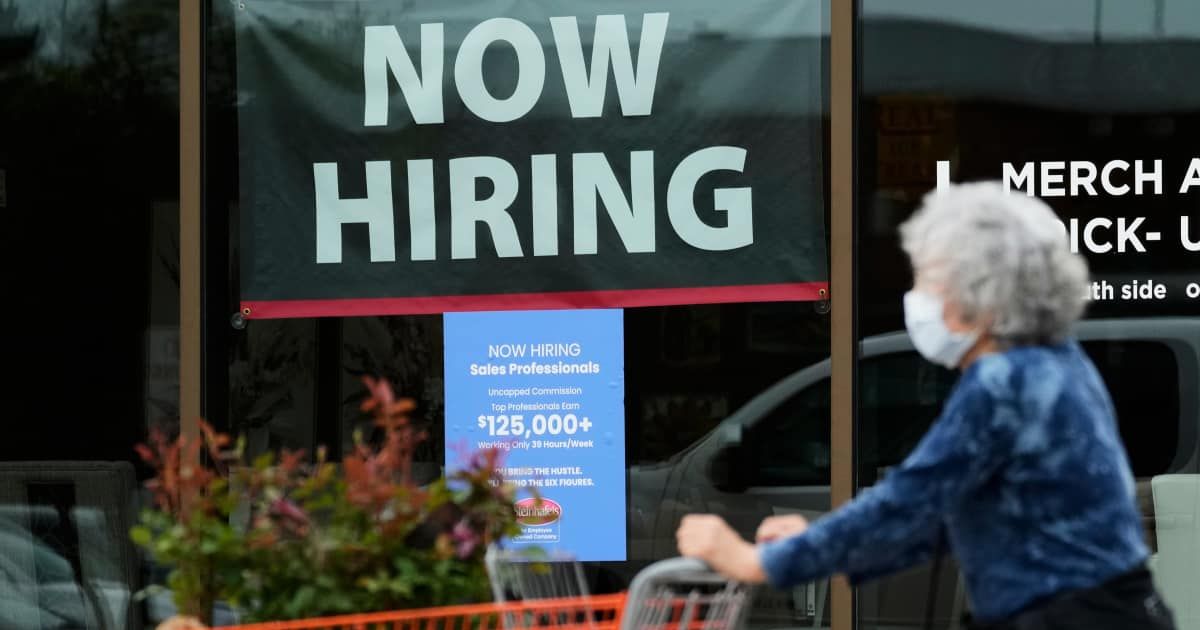
The United States added fewer jobs than expected in June, according to the Bureau of Labor Statistics' monthly employment report, released on Thursday. Employers added 57,000 jobs during the month, down sharply from the revised 129,000 jobs added in May and well below economists' expectations of around 100,000. The unemployment rate, however, edged down from 4.3% to 4.2%.
Hiring remained strongest in healthcare, which added 46,600 jobs in June, supported by growing demand from the country's aging population, according to CNN. Combined with private education, the two sectors accounted for 69,000 new jobs. Those gains were largely offset by losses in the leisure and hospitality industry, which shed 61,000 jobs. Economists had viewed the sector as a wildcard, with uncertainty over whether the ongoing World Cup would provide a meaningful boost to hiring.
Key takeaways from the June jobs report:
— Heather Long (@byHeatherLong) July 2, 2026
1) A disappointing jobs report. 57,000 jobs added (vs. 115k expected). Negative revisions for April & May
2) 4.2% unemployment rate, but mainly due to a big decline in the labor force.
3) The job market is stable. That's good for the… pic.twitter.com/qkX2izbvxG
The United States added fewer jobs than expected in June, as the Bureau of Labor Statistics' report for the past month was released on Thursday. It showed that the country added 57,000 jobs in June, marking a significant drop from the 129,000 jobs that were added in May. The number also fell well short of economists' estimate of approximately 100,000 jobs being added. The rate of unemployment dropped slightly, from 4.3% to 4.2%.
The healthcare industry saw significant hiring, adding 46,600 jobs last month. The industry remains buoyed by an increasingly aging population, as per a report in CNN. Along with private education, the two industries were able to add 69,000 jobs. However, most of those gains were wiped out by a dismal performance by the leisure and hospitality industry, which ended up cutting 61,000 jobs. This industry was a wild card, and not many were certain if the World Cup could boost employment in it.
PRIVATE SECTOR JOBS ⬆️@POTUS is putting AMERICAN WORKERS FIRST as jobs continue to come back to our country. ✅ https://t.co/YLsYu38sRl
— U.S. Department of Labor (@USDOL) July 2, 2026
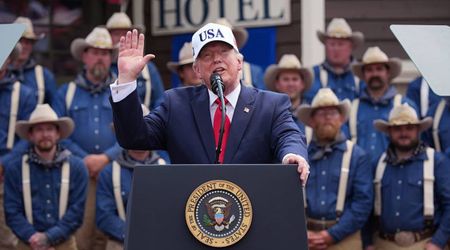
Other industries that did well in terms of creating jobs included the professional and business services and construction industries, adding 36,000 and 11,000 jobs, respectively. Federal employment also grew by 8,000. Manufacturing, one of President Donald Trump's campaign agendas, added 3,000 new jobs. However, information, retail trade, and mining and logging saw significant cuts: 9,000, 7,500, and 4,000, respectively. Overall, more jobs were added than cut, and the employment growth is faster than last year.
Chief economist for Nationwide, Kathy Bostjancic, wrote in a note that employment gains in the first half of 2026 had been averaging 92,000 per month, higher than the 10,000 per month last year. She claimed that the growth "both reflects and supports strong economic activity in the US, particularly providing underpinning for continued solid consumer spending."
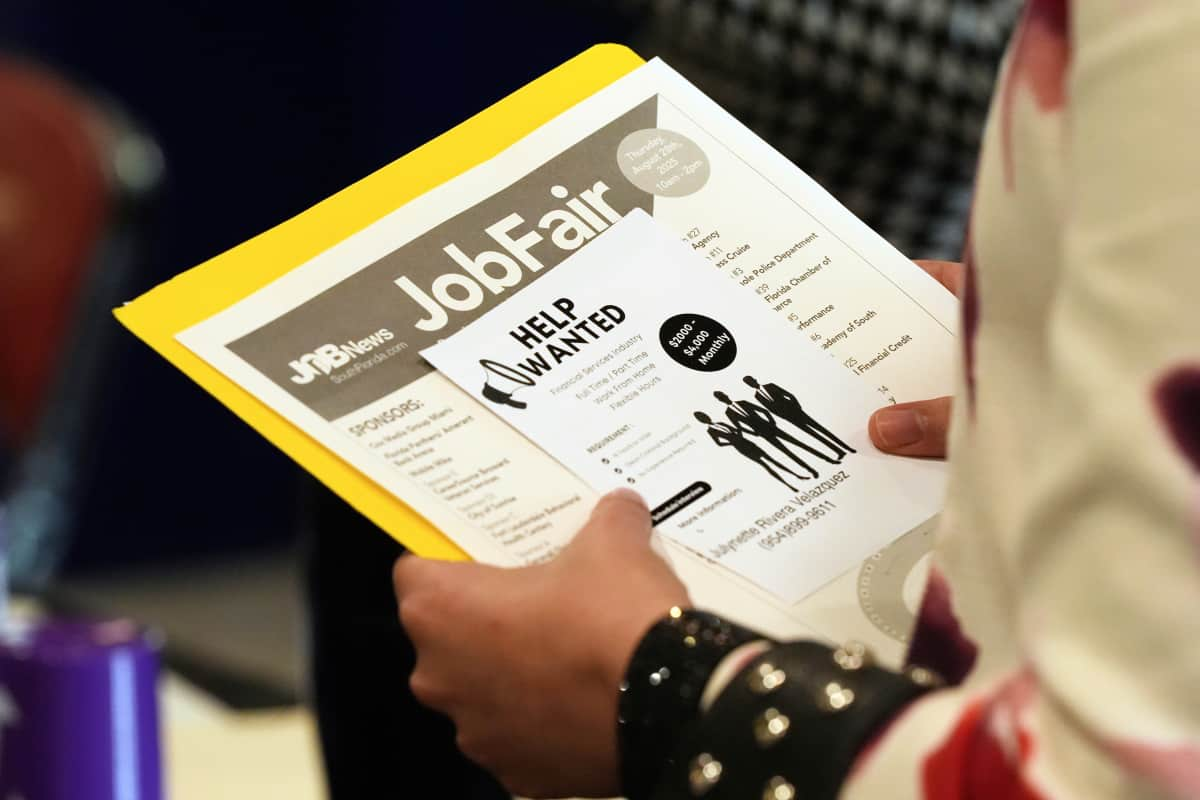
While the number of jobs added did not match expectations, Acting Secretary of Labor Keith Sonderling said that the report showed strength in President Donald Trump's economy. "This job report shows the continued strength of President Trump's economy, 57,000 new jobs. So far this year, the President has produced 88,000 new private sector jobs each month. And that's what we look at. The jobs have continued to come back in the right places. We continue to see this year manufacturing grow; we continue to see construction for manufacturing plants grow," he said during an interview on NewsMax.
.@Sonderling47: "This jobs report shows the continued strength of @POTUS' economy... so far this year, @POTUS has produced 88,000 new private sector jobs each month... We continue to see this year manufacturing grow, we continue to see construction for manufacturing plants grow." pic.twitter.com/Ji2d6l4bH5
— Rapid Response 47 (@RapidResponse47) July 2, 2026
While the rate of unemployment fell, it could be a result of lower participation in the labor market. Labor force participation dropped to a five-year low of 61.5% last month, coming down from 61.8% in May. Pantheon Macro economists Samuel Tombs and Oliver Allen claimed that the decline in participation was "concentrated among older workers" as stock market gains were convincing people to retire early. “But prime-age participation fell sharply last month too," they added.
However, not everyone is happy about the jobs report. Democratic Congressman Shri Thanedar called the report "terrible" and said the economy added 74,000 fewer jobs in the past couple of months than what was told to the American people by the Trump administration. "Today's terrible jobs report is even WORSE when you take into account the downward revisions for the last two months. New jobs in May were revised downward by 43,000 jobs. New jobs in April were revised downward by 31,000 jobs," he wrote on X.