Trump's new NDA proposal could force federal workers into silence
"The proposed NDA (non-disclosure agreement) does not create new substantive restrictions on employee speech or disclosure rights," read the draft proposal released Wednesday by the Office of Personnel Management (OPM), seeking to force nearly two million federal workers to a legally enforceable vow of silence or face criminal prosecution. It is seeking public feedback on a range of questions till June 28, 2026.
Some of the questions include whether the form signing should be mandatory or voluntary, the scope of information covered in the agreement, the appropriate agency response if new and existing employees choose not to sign the NDA, and the potential consequences of refusal to sign the form for both existing and new employees, among others. The draft contends that federal employees cannot disclose confidential information outside of narrow circumstances, and "unauthorized disclosures disrupt agency operations" and "erode public trust."
With that said, proposed NDA language now released goes well beyond draft regs. NDA unconstitutionally tries to bind federal employees from disclosing any info post-employment. This goes against existing & well-settled case law.
— Mark S. Zaid (@MarkSZaidEsq) May 27, 2026
No one should sign. And we will sue to protect. https://t.co/yOainUud4l
The proposal argues that the NDA will be an "optional form," enabling federal agencies to decide whether to use the NDA. "...a standard NDA form will promote consistency across government, better protect confidential information, and better inform federal employees of their rights and obligations regarding confidential information," the proposal continued. The NDA will apply to newly hired employees and to current federal employees, the proposal explained.
“1/7 The notion of imposing sweeping nondisclosure agreements across the federal workforce represents a profound threat to transparency, press freedom, and the public’s right to know.
— National Press Club (@PressClubDC) May 26, 2026
The draft proposal appears to be a significant escalation in the Trump administration's effort to stem press leaks and, consequently, impede government transparency. If implemented, the unprecedented move will effectively put a legal wall between the public and the inner workings of their own government. One of the largest unions, the American Federation of Government Employees (AFGE), has denounced the move, calling it an effort to purge the civil service of "nonpartisan" employees and pack it with "loyalists."
Current law already restricts federal employees against unauthorized disclosure of information to the public.
— NARFE National Headquarters (@narfehq) May 27, 2026
A governmentwide non-disclosure agreement threatens to chill protected speech, such as reporting corrupt dealings, waste, fraud, and abuse. https://t.co/0v2tZn5kzk
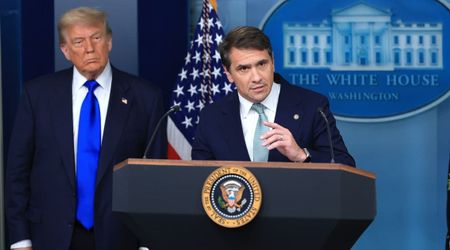
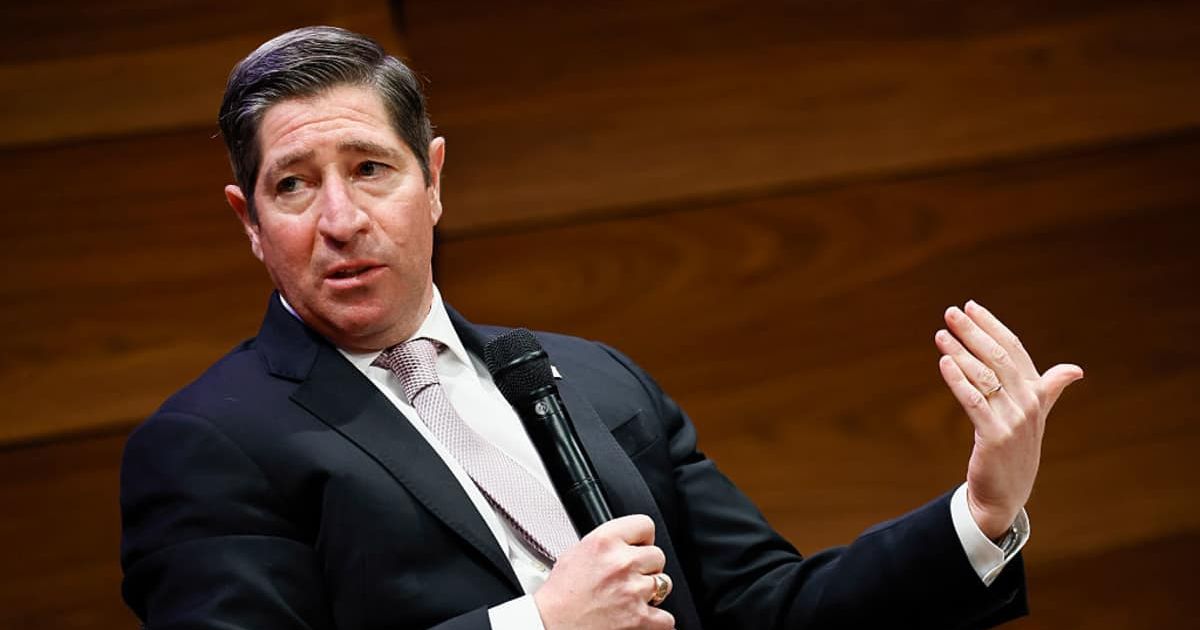
"Federal employees do not surrender their First Amendment rights when they accept federal employment, and the public has a right to know about this administration's abuse," AFGE averred. OPM Director Scott Kupar argued that private-sector employees routinely sign confidentiality agreements when handling sensitive information, and the "federal government should not be held to a lower standard."
What prompted this move
The draft cites instances in which internal agency communications related to rulemaking and policy development were disclosed without authorization. "Such disclosures risk chilling candid interagency feedback, disrupting orderly decision-making, and weakening trust within and among federal agencies," it said, offering the case of federal employees in the Federal Bureau of Investigation (FBI) and Department of Homeland Security (DHS) leaking details of planned immigration enforcement actions for why there is a need for an NDA.
A well-functioning organization depends on trust, candid internal deliberations, and responsible handling of sensitive information. @USOPM’s proposed NDA reinforces those principles while preserving longstanding whistleblower protections under federal law. Read my latest blog…
— Scott Kupor (@skupor) May 27, 2026
What happens if someone violates the NDA
An agreement template attached to the draft proposal explains that those found guilty will face disciplinary action, including removal and debarment from "future federal employment or contractor status," and "civil and criminal penalties." In cases of breach of criminal laws, the Justice Department will pursue criminal prosecution. "The employee understands that a breach or threatened breach of this agreement would cause irreparable harm to the agency for which monetary damages would be an inadequate remedy," it said.