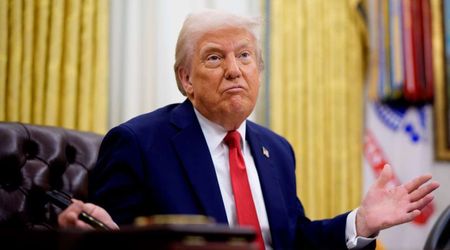
Trump says DHS found 278,000 non-citizens in voter rolls but reports suggest otherwise
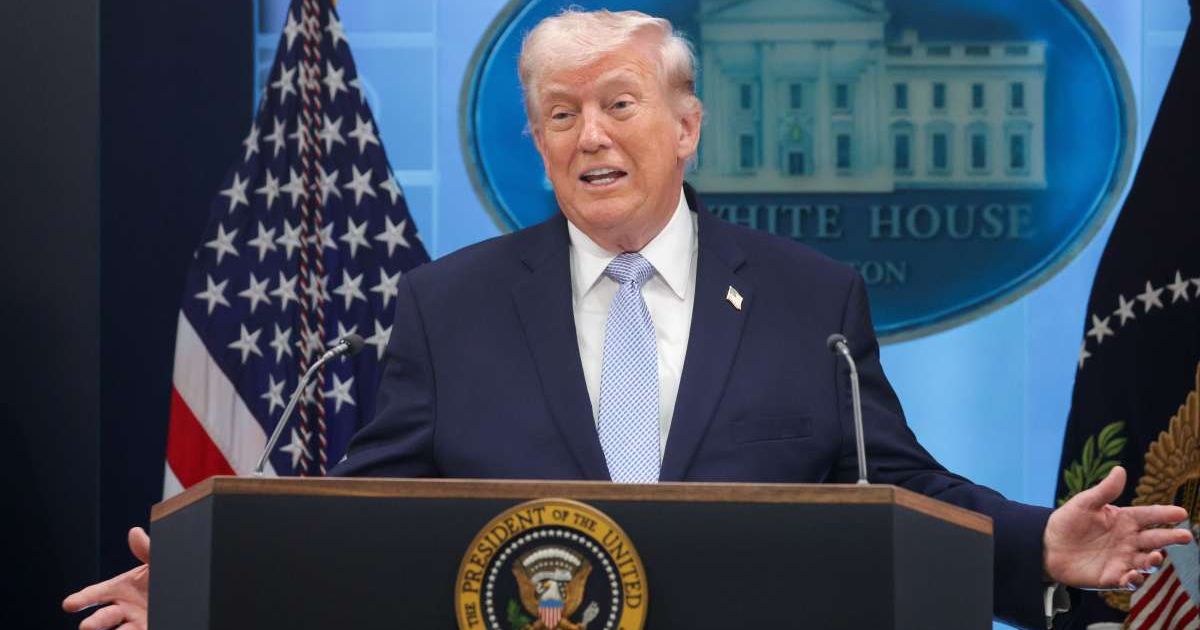
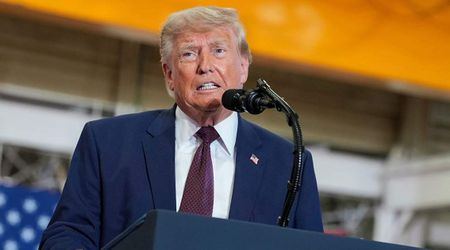
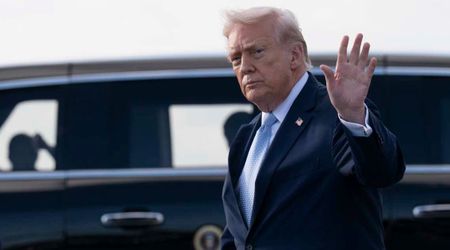
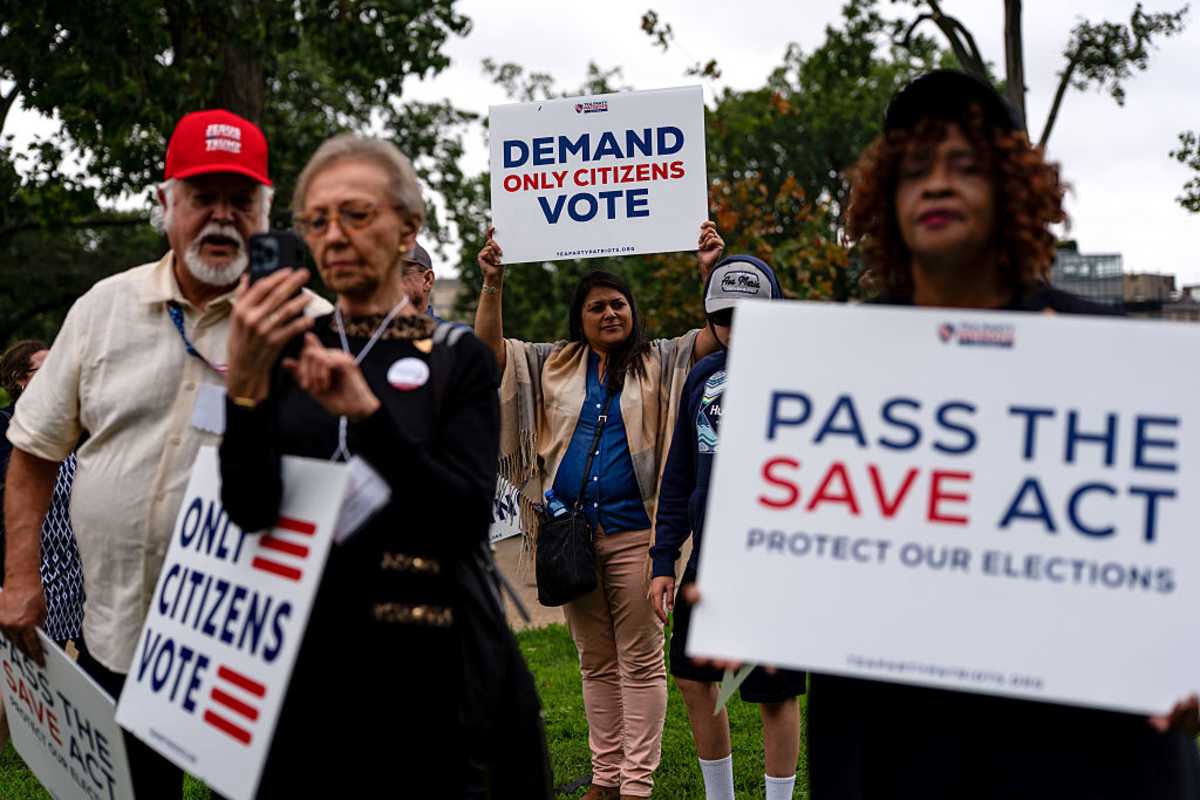
President Donald Trump on Thursday announced that the Department of Homeland Security (DHS) had found a significant number of noncitizens registered in the voter rolls, questioning the integrity of the electoral process. While the DHS reportedly circulated a document on its findings as well, neither offered any evidence or firm calculations to support the estimate. Thus, many reports now suggest that the president's claim could be false or a ploy to push his voter ID legislation, the SAVE Act.
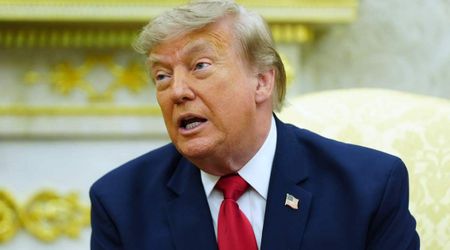
In the national address, Trump shared that the DHS had found “approximately 278,000 noncitizens who are registered to vote in federal elections,” in states that voluntarily share electoral data. Meanwhile, the document released by the White House from the department claims to have found about 250,000 noncitizens registered in four states: California, New Jersey, Nevada and Pennsylvania. Further, in a draft press release obtained by Politico, the DHS said “reviews of the four states’ records” found 190,832 noncitizens registered in California; 35,152 in New Jersey; 15,903 in Nevada; and 14,576 in Pennsylvania.
“According to the DHS review…they identified approximately 278,000 NONCITIZENS who are registered to vote in federal elections. Since Democrat states refuse to share their voter files, the number is actually MUCH HIGHER than that.” @POTUS Trump pic.twitter.com/e8rPyveIrx
— Homeland Security (@DHSgov) July 17, 2026
While Trump made the finding a strong case for the SAVE Act, the documents do not indicate that DHS found evidence that noncitizens cast ballots or explain how the number that appears to be higher than previous estimates was calculated. The four states also do not use the SAVE system, a DHS-administered resource used to verify citizenship status. Thus, it remains absolutely unclear how the department produced its count from just public voter files.
So far, election officials in one state, Nevada, have rebuffed the claims, as data from the Nevada secretary of state’s office showed that out of the 2.1 million active voters in the state, only 138 voters did not provide a state driver’s license or Social Security number while registering, the New York Times reported. Furthermore, the data showed that those 138 voters could have registered with some other form of acceptable ID, including Tribal IDs. And, while the DHS document said it had notified all four states of the "serious threat to national security,” Cisco Aguilar, the Democratic secretary of state in Nevada, told the publication that he had received no notifications.
The announcement follows a trend: in the past, in Republican states that officially share voter data, officials have been eager to claim that noncitizen voters are prevalent in elections, repeatedly putting out inflated numbers only to revise them later. The SAVE system has also not proven to be reliable, as it has mistakenly flagged U.S. citizens as noncitizens in several states where it was used to examine voter rolls, Reuters reported, citing the example of Iowa, where an estimate of 2,100 potential non-citizen voters was revised to 277 after further review. Of those 277, it was found that only 35 non-citizens cast ballots in the 2024 elections that were counted, out of the over 1.6 million ballots counted across the states.
Furthermore, the Trump administration has lost 15 lawsuits seeking to compel other, mostly Democratic states, to submit voter data, according to Democracy Docket, an online election security publication. Additionally, the Bipartisan Policy Center found that when states sought to verify the eligibility of their voters, only0.04% of cases were found to be non-citizens. Thus, election experts have warned that in large-scale crackdowns of state voter rolls, eligible voters could be at risk of getting disenfranchised.