Trump-backed push for permanent Daylight Saving Time could change far more than America's clocks

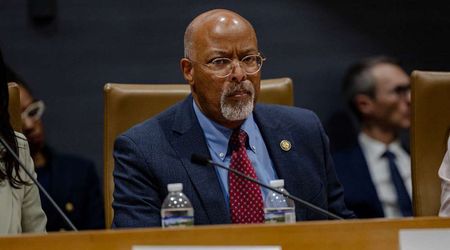
Republicans on the House Energy and Commerce Committee have pushed forward legislation that would make Daylight Saving Time (DST) permanent across the U.S. The proposal, called the Sunshine Protection Act, which advanced on Thursday, will stop the biannual switching of the clocks, which many Americans have reportedly grown weary of. While the bill still needs approval from the full U.S. House and then the U.S. Senate, it has gained backing from President Donald Trump despite experts' warnings against it.
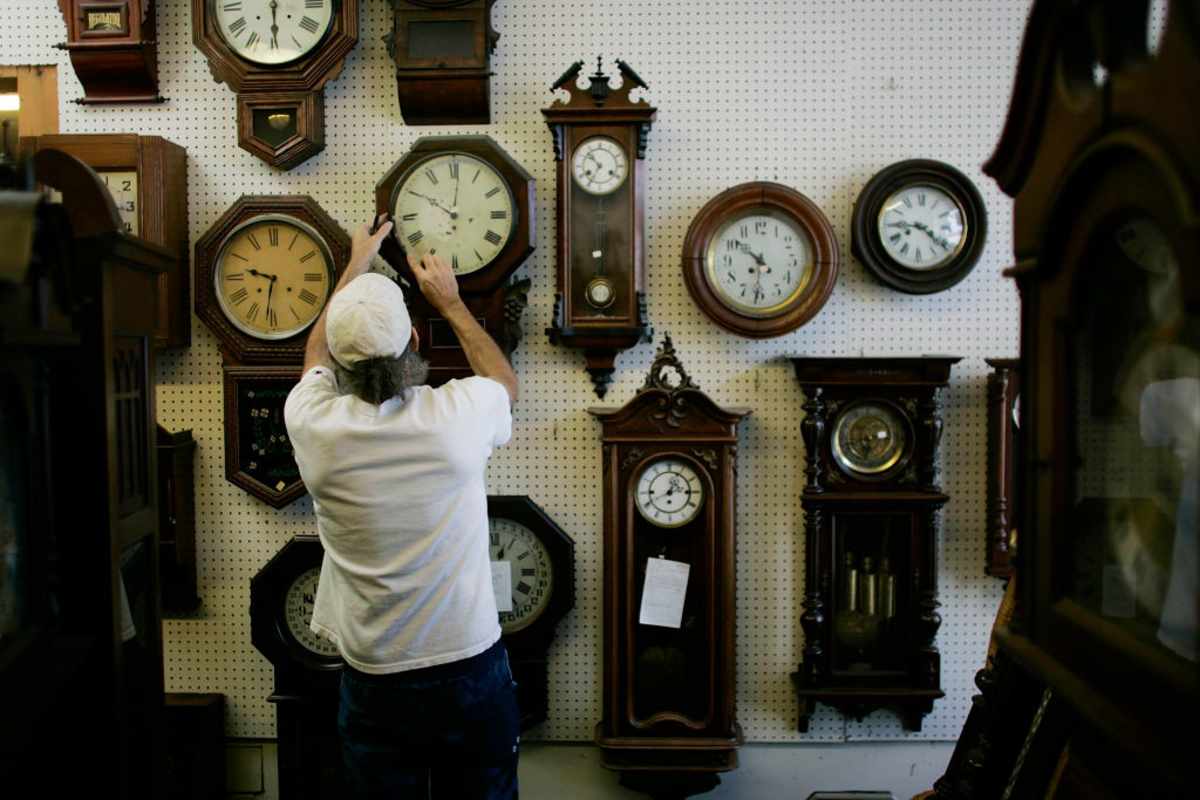
Currently, Americans "spring forward" their clocks by one hour on the second Sunday in March at 2:00 am and "fall back" one hour on the first Sunday in November at the same time to extend evening daylight. However, the House Energy and Commerce Committee voted 48-1 in favor of the Sunshine Protection Act, which would allow states to opt out of the practice, according to Reuters. Supporters of the measure introduced by Rep. Vern Buchanan, R-Florida, argue that the shifting of time causes sleep disturbances, workplace issues, and car crashes, and they believe that brighter evenings would result in more economic activity during the winter.
The bill, if approved, would allow states to exempt themselves from the twice-yearly time change, and it currently has 32 cosponsors, including 29 Republicans and three Democrats. Even Trump praised the vote on social media, stating it's "time that people can stop worrying about the 'Clock,' not to mention all of the work and money that is spent on this ridiculous, twice yearly production." However, the bill still faces strong opposition, including from Republican Tom Cotton, who argues that not all states would benefit from the measure, and it would impact the health of Americans negatively, according to The Hill.
With permanent Daylight Savings Time, for three months out of the year, kids in West Arkansas towns like Bentonville, Fayetteville, and Fort Smith would start school in the dark.
— Tom Cotton (@SenTomCotton) October 28, 2025
I will always oppose any effort to adopt Daylight Savings Time year-round. pic.twitter.com/1ZqnPtvhDp
What would happen if daylight saving time became permanent?
Under permanent daylight saving time, summer and fall would feel the same, but in some regions, the sunrise would be pushed to after 9:00 am, forcing students to go to school and workers to leave for work in the cold, dark early winter mornings. However, the sun would set after 6 p.m. in December, providing more evening daylight time, especially in states like Florida, where Buchanan comes from.
Experts like Dr. Karin Johnson, spokesperson for the American Academy of Sleep Medicine (AASM) and co-chair of the Coalition for Permanent Standard Time, have described the disadvantages in detail. According to the coalition's website, a permanent DST would hinder the winter sun that is often there to help melt the ice on our roads, and without it, people would be driving possibly drowsy on dangerous, icy roads.
“Obesity is predicted to have the greatest decrease under permanent Standard Time… Stroke follows a similar pattern to obesity…”
— Save Standard Time (@SaveStandard) May 22, 2026
Stop “Sunshine Protection”, Save Standard Time instead, for natural health! https://t.co/deUhiHsgm6 pic.twitter.com/xJc2D2fIrf
The change won't be healthy for all Americans, as it could disturb the natural circadian rhythm of the body, which tells humans when to go to sleep and when to wake up depending on the amount of sunlight they experience. This disruption could cause reduced sleep or a later sleep timing, which is associated with more substance use and health problems, including obesity, depression, and heart disease. It's also associated with morning sleepiness, poor work productivity, and poor school performance.