Ted Lieu warns Joint Staff over war crimes after Trump's threats of bombing Iran

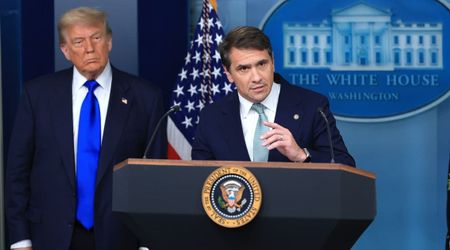
President Donald Trump on Sunday signalled potential escalation of tensions between Washington and Tehran as he threatened to wipe out "every single Power Plant, and every single Bridge, in Iran" if a deal isn't made. The threat sparked fresh concerns of the U.S. committing possible war crimes in the Middle East, with Rep. Ted Lieu calling upon the Joint Chiefs of Staff to refrain from following any unlawful orders. Lieu cautioned the body that it "will be prosecuted" by a future administration, emphasizing that military personnel are obligated to refuse unlawful orders.
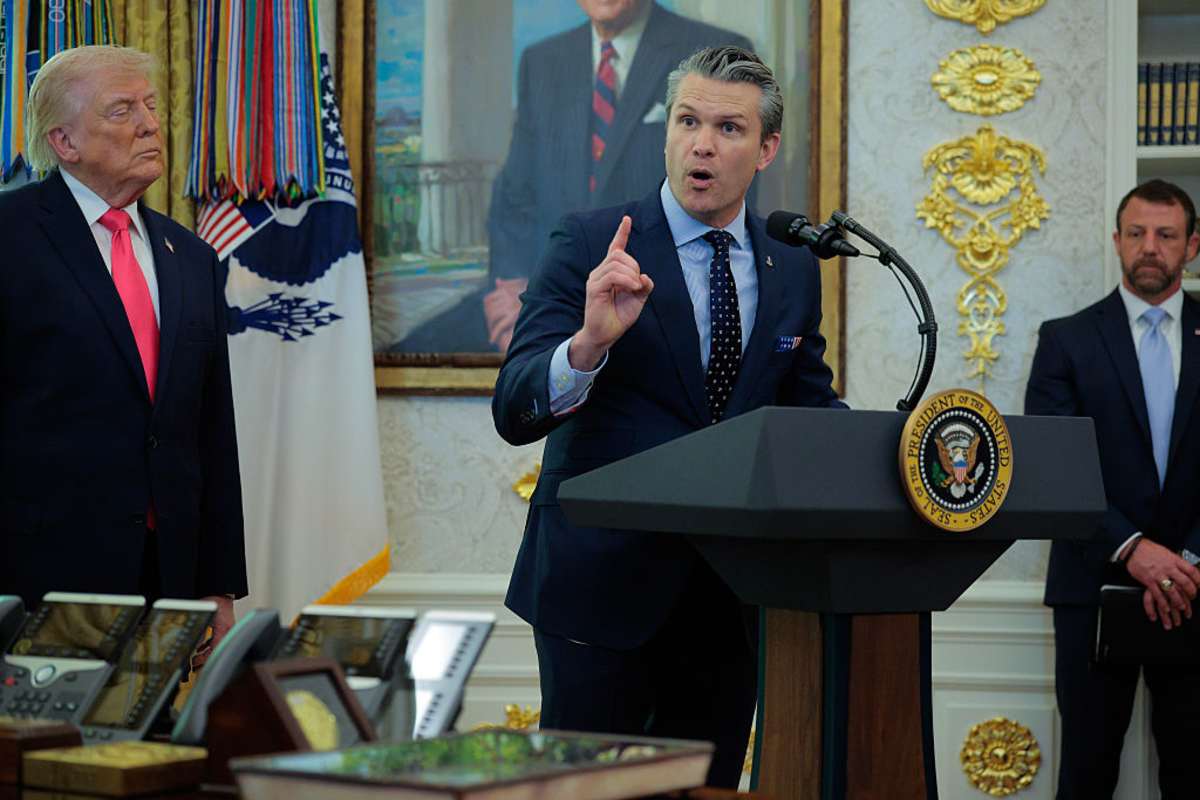
On Sunday, the President took to his social media platform to issue a message to Tehran, ahead of the supposed second round of talks in Islamabad, Pakistan. After claiming that Iranian forces fired on French and British vessels and that the closure of the Strait of Hormuz was helping the U.S. Navy with its own blockade, Trump shared that an envoy will be in Pakistan on Monday evening to offer "a very fair and reasonable DEAL." He then went on to add that if Tehran walks away from it, the U.S. is "going to knock out every single Power Plant, and every single Bridge" in Iran. "NO MORE MR. NICE GUY!" Trump wrote, "They'll come down fast, they'll come down easy and, if they don't take the DEAL, it will be my Honor to do what has to be done, which should have been done to Iran, by other Presidents, for the last 47 years," he added. He then concluded his message saying, "IT'S TIME FOR THE IRAN KILLING MACHINE TO END!"
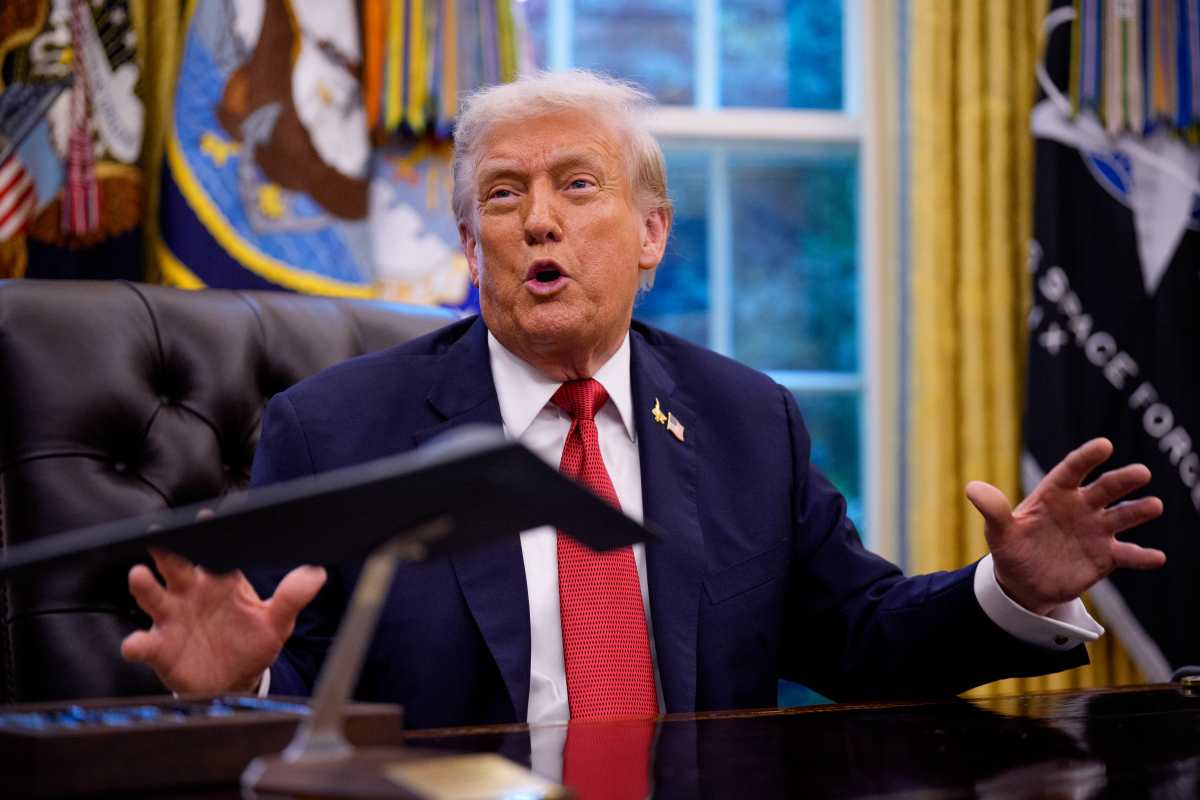
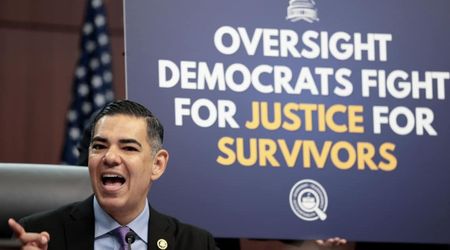
Reacting to Trump's threats, Rep. Lieu reminded the Joint Staff that striking civilian structures still constitutes a war crime, and they should refrain from following unlawful orders. "Dear @thejointstaff, If you follow illegal orders to commit war crimes, you will be prosecuted by a future Administration," Lieu wrote in his post on X. He explained that bombing every power plant and every bridge would "violate the proportionality principle and cause excessive civilian harm," which is a war crime.
Dear @thejointstaff: If you follow illegal orders to commit war crimes, you will be prosecuted by a future Administration.
— Ted Lieu (@tedlieu) April 19, 2026
Bombing “every single Power Plant, and every single Bridge” would violate proportionality principle and cause excessive civilian harm, which is a war crime. https://t.co/nLlm1zEcnD
While Lieu slammed Trump's renewed threats, U.S. Ambassador to the United Nations Mike Waltz defended them, saying the U.S. had "all options on the table" to force Iran into a deal. In an interview with ABC News' "This Week," Waltz said the U.S. can easily take out the infrastructure as the Iranian defenses have been "absolutely decimated." Waltz pushed back against the allegations that such a move would violate international law, arguing that the infrastructure serves dual military and civilian purposes. "If you go back in the history of warfare, go all the way back to World War II, of course, we bombed and took down bridges, other infrastructure, power plants that, yes, could be used for civilian purposes, but also are used to manufacture drones and missiles," Waltz said.
However, Lieu dismissed Waltz's reasoning, claiming it wasn't according to the Federal law. "Dear @USAmbUN, You are wrong. Federal law requires our military to follow the principle of proportionality. Bombing "every single Power Plant, and every single Bridge" causes excessive civilian harm, which is a war crime," he wrote in another post, adding that there is no statute of limitations for war crimes.
Dear @USAmbUN: You are wrong. Federal law requires our military to follow the principle of proportionality. Bombing “every single Power Plant, and every single Bridge” causes excessive civilian harm, which are war crimes.
— Ted Lieu (@tedlieu) April 19, 2026
And there is no statute of limitations for war crimes. https://t.co/G9iDXXfo0t
Speaking on the subject, Erika Guevara Rosas, Amnesty International’s senior director of research, advocacy, policy, and campaigns, previously told The Guardian that intentionally attacking civilian infrastructure is generally prohibited, but even in the limited cases, a "party still can't attack power plants if it potentially causes disproportionate harm to civilians."