Taxpayer-funded remedy: Understanding the DOJ's $1.776 billion plan to compensate 'lawfare' victims
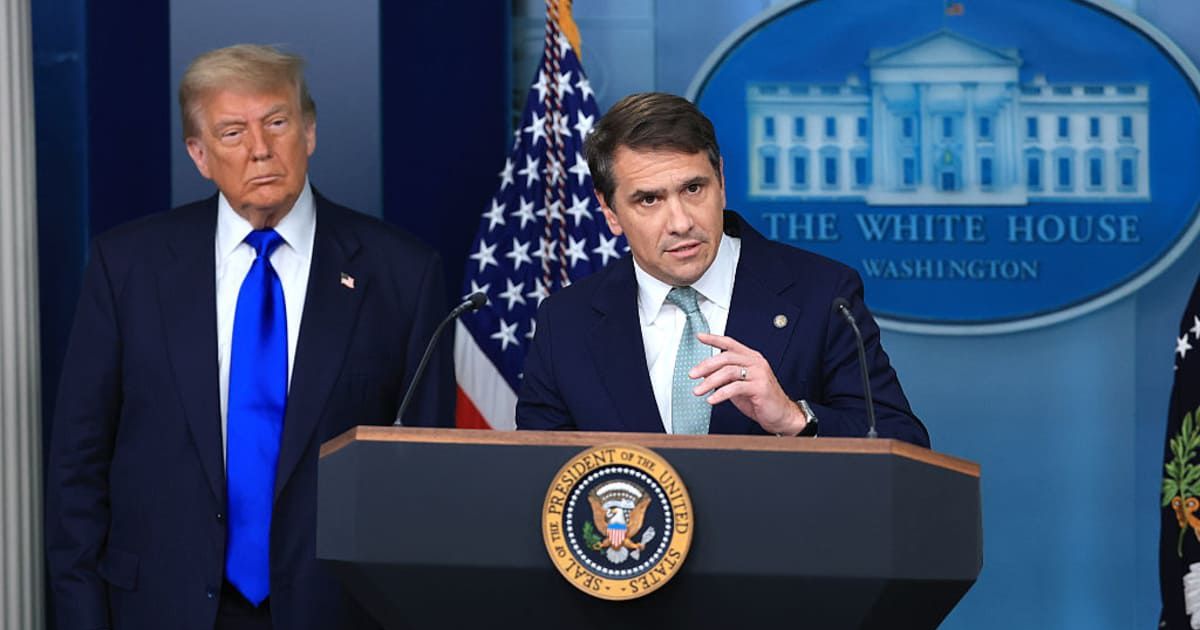
A $1.776 billion budget, a five-member board, and the power to issue formal apologies define the newly created fund emerging from the settlement of President Donald Trump's high-profile lawsuit against the Internal Revenue Service. Trump, his two sons, Donald Trump Jr. and Eric Trump, and the Trump Organization had filed the case in January this year following the leak of their tax returns.
Trump and DOJ are now trying to walk away from his bogus $10 billion IRS lawsuit and take nearly $1.8 billion from taxpayers with them to confer a million-dollar bonanza on each of 1600 members of Trump’s private J6 militia. But not so fast. Judges have authority to block parties… https://t.co/dYB2bXjucQ
— House Judiciary Dems (@HouseJudiciary) May 19, 2026
The 'Anti-Weaponization Fund', as announced by the Department of Justice (DOJ), seeks to streamline the process to address claims of those who suffered "weaponization" and "lawfare." Acting Attorney General Todd Blanche said the department's intention is "right the wrongs that were previously done while ensuring this never happens again."
The commission, which will oversee its operations, has the power not only to issue formal apologies but also to offer monetary relief to claimants. The DOJ added that the filing of a claim is "voluntary," and one does not need "partisan requirements."
You can't sue yourself. You can't settle with yourself. And you can't hijack a legitimate victim compensation fund and turn it into a taxpayer-funded payoff scheme for January 6 insurrectionists. Congress never authorized this and we won't let it stand. pic.twitter.com/UiVFaXMDme
— Ed Markey (@SenMarkey) May 18, 2026
"The use of government power to target individuals or entities for improper and unlawful political, personal, or ideological reasons should not be tolerated by any Administration," Principal Associate Deputy Attorney General Trent McCotter said in a statement.
While the commission is tasked with preventing fraud and protecting private data, the DOJ offered no details on how these safeguards will be implemented in practice. The deadline for processing claims is December 1, 2028.
Incredible- Trump's $2 billion taxpayer-subsidized slush fund comes with a legal disclaimer that basically says "we are not responsible for any crimes committed with this money" pic.twitter.com/moYHIHVERf
— Aaron Fritschner (@Fritschner) May 18, 2026
This is an unprecedented move in which a sitting president who controls the federal government will effectively channel billions in taxpayer dollars into a settlement with himself. This has naturally run into trouble as critics allege corruption over charges that the President is rewarding his allies.
The administration cited the legal precedent for such a fund in the Keepseagle case, where a class-action lawsuit was filed in 1999 by Native American farmers alleging discrimination in access to and participation in the Department of Agriculture's farm loan programs. The Obama administration created a $760 million fund to redress these claims in 2010.
Donald Trump thinks the federal government is his personal slush fund.
— Chuck Schumer (@SenSchumer) May 19, 2026
Nearly 2 BILLION dollars for his MAGA slush fund, a billion more for his gilded ballroom, and NOT ONE serious plan to lower costs for the families forced to pay the bill.
Democrats are fighting to lower…
Democrats have criticized the move while filing a motion to block the settlement. They argued that "filing a collusive lawsuit only to immediately dismiss it to produce a collusive settlement" would be legally untenable. They urged the court to exercise its "sua sponte authority" to examine any voluntary dismissal entered to advance such a scheme.
Where will the money come from
The corpus of $1.776 billion will come from the judgment fund. It is generally used to pay court judgments and settle lawsuits against the government. The DOJ revealed that the unspent money will revert to the federal government once the fund ceases operations.
This guy is going to get potential millions of dollars of your tax dollars from Trump’s Insurgent Reparation Fund. ⬇️⬇️⬇️⬇️⬇️⬇️⬇️⬇️⬇️⬇️ pic.twitter.com/bJyaK7gZnL
— Ruben Gallego (@RubenGallego) May 19, 2026
There were very few details regarding checks and balances, but the fund will be required to submit a report to the Attorney General every quarter. The report will outline who received relief under the fund and what form of relief was awarded to claimants. It must be noted that the fund will only be audited at the direction of the Attorney General.
Who will be on the commission?
The Attorney General will appoint five members to the commission. Only one member will be chosen in consultation with congressional leadership. The President will retain the power to expel any member. The selection of a replacement will follow the same process as that of the fired member.
The level of corruption and illegality from the Trump administration and Republican Party shocks the conscience.
— Hakeem Jeffries (@RepJeffries) May 19, 2026
Note to right-wing extremists and sycophants.
The statute of limitations for felony crimes is five years.
President Trump has agreed to drop the suit with prejudice, which means that he will not litigate the same lawsuit in the future. He will be entitled to a formal apology, but there will be no monetary payment or damages of any kind. He will also be withdrawing two administrative claims, including for damages resulting from the unlawful raid of Mar-a-Lago and the "Russia-collusion hoax."