Supreme Court blocks Trump bid to end birthright citizenship
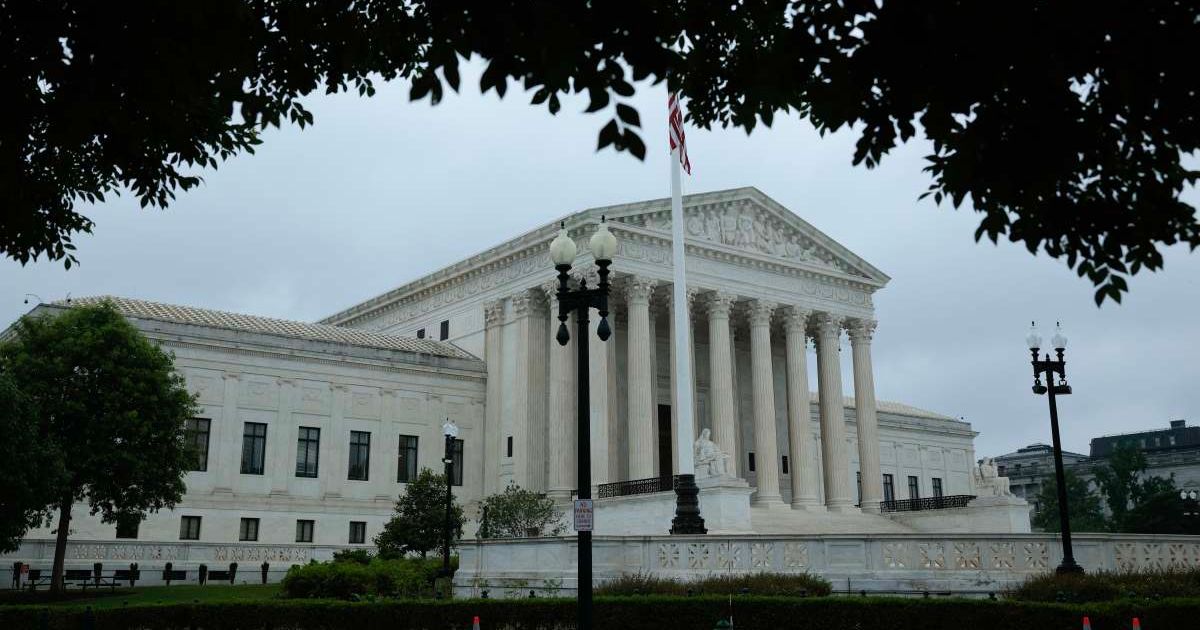
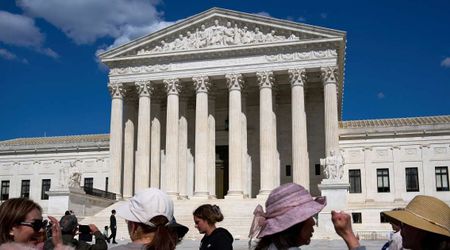
The U.S. Supreme Court on Tuesday blocked the Trump administration's attempts to limit birthright citizenship, ruling that President Donald Trump's January 2025 order violated the Constitution's 14th Amendment. As per the 14th Amendment, "All persons born or naturalized in the United States, and subject to the jurisdiction thereof, are citizens of the United States."
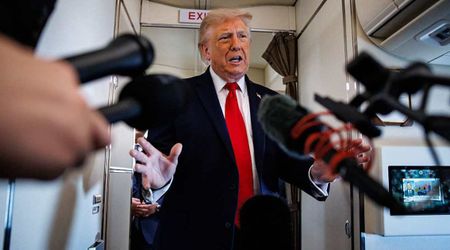
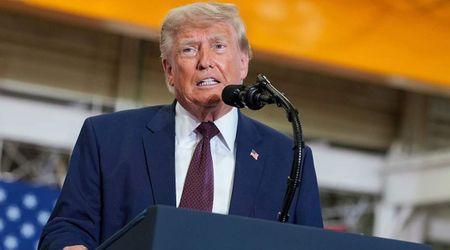
The executive order, titled 'Protecting the Meaning and Value of American Citizenship', that President Trump signed on the first day of his second term, directed federal agencies to deny automatic US citizenship to children born in the country if neither parent is an American citizen or a lawful permanent resident. It was immediately met with a wave of lawsuits from civil rights groups and state attorneys general, and a lower court blocked the policy before it could be implemented, leading to the need for Supreme Court intervention.
🚨 The Supreme Court ruled that the Fourteenth Amendment guarantees birthright citizenship to children born in the United States, including those whose parents are in the country unlawfully or only temporarily, striking down President Trump's executive order. pic.twitter.com/iDns5rmqJF
— SCOTUS Wire (@scotus_wire) June 30, 2026
That December, the Supreme Court took up a New Hampshire case brought by the American Civil Liberties Union (ACLU). The lawsuit represented several plaintiffs, including infants who stood to lose their automatic citizenship under the executive order.
On Tuesday, the court, in a 5-4 ruling, agreed that the order violated the Fourteenth Amendment. "Children born in the United States to parents unlawfully or temporarily present are 'subject to the jurisdiction' of the United States and are citizens at birth under the Fourteenth Amendment’s Citizenship Clause," the majority decision written by Chief Justice John Roberts said. Justice Amy Coney Barrett, along with the court’s three liberal justices, Elena Kagan, Sonia Sotomayor and Ketanji Brown Jackson, joined Roberts in the majority ruling.
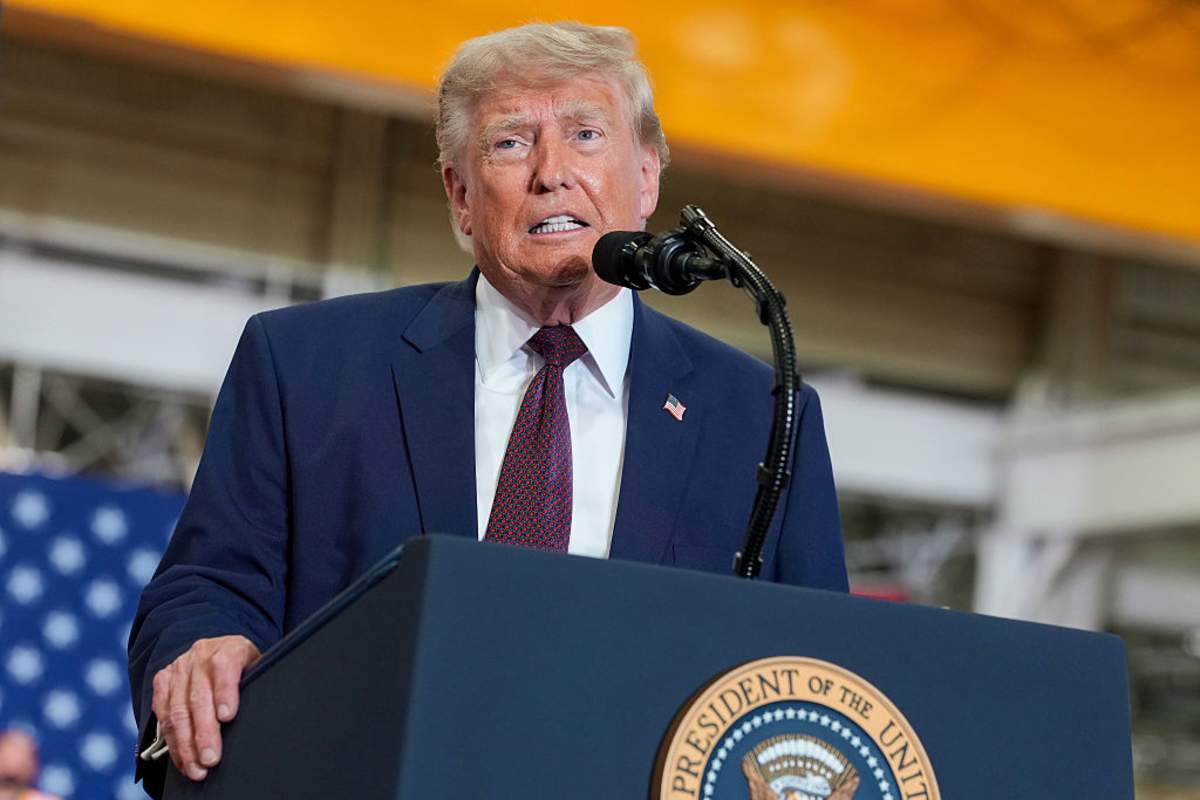
The three other conservative judges on the court, Clarence Thomas, Samuel Alito, and Neil Gorsuch, meanwhile, wrote dissenting opinions, CNBC reported. Judge Alito, in his opinion, called the ruling a "serious mistake." While for the Trump administration, this marks the third major Supreme Court setback in recent months, including the ruling on the President's tariff policy and the firing of Lisa Cook, the decision comes as a relief for thousands of babies born in the U.S. each year.
Republican lawmakers have criticised the Supreme Court ruling in the Trump v. Barbara case, with Senator Eric Schmitt calling the decision "wrong, dangerous, and disastrous for American sovereignty and the American people." "The Supreme Court's decision constitutionalizing unlimited birthright citizenship for the children of illegal aliens and temporarily present aliens is wrong—and disastrous for our sovereignty and the future of our republic," he explained in a post on X.
The Supreme Court’s birthright citizenship decision is wrong, dangerous, and disastrous for American sovereignty and the American people. If we can't fix it with ordinary legislation, then we must do what the Constitution commands in moments of national crisis: We must amend the… pic.twitter.com/8shwWkFGXY
— Senator Eric Schmitt (@SenEricSchmitt) June 30, 2026
House Speaker Mike Johnson expressed that he is very disappointed by the outcome. "It's one of those things that was intended to serve a noble and important purpose, and has been overused and abused. I'm sure the conclusion from this opinion is going to be that you've got to amend the Constitution to fix that," he said, adding, "I will say that I'm very disappointed in that outcome. I think it subjects the country to serious challenges going forward."