'Source of America’s greatness' Reagan’s immigration quote resurfaces after birthright citizenship ruling
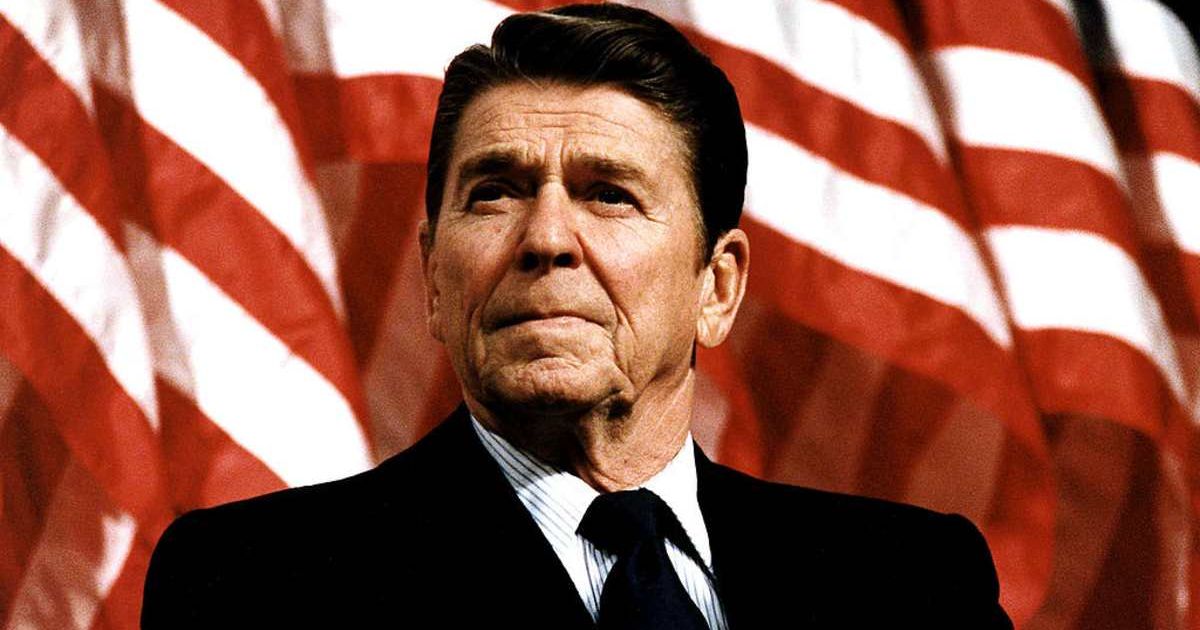
As America's attention turns back to the fractured debate over immigration, a quote from Ronald Reagan’s last speech as President is going viral. His quote about immigration being a source of the nation's greatness has resurfaced on social media after the Supreme Court delivered a sharp rebuke to President Donald Trump on Tuesday by upholding automatic birthright citizenship for all children born in the United States.
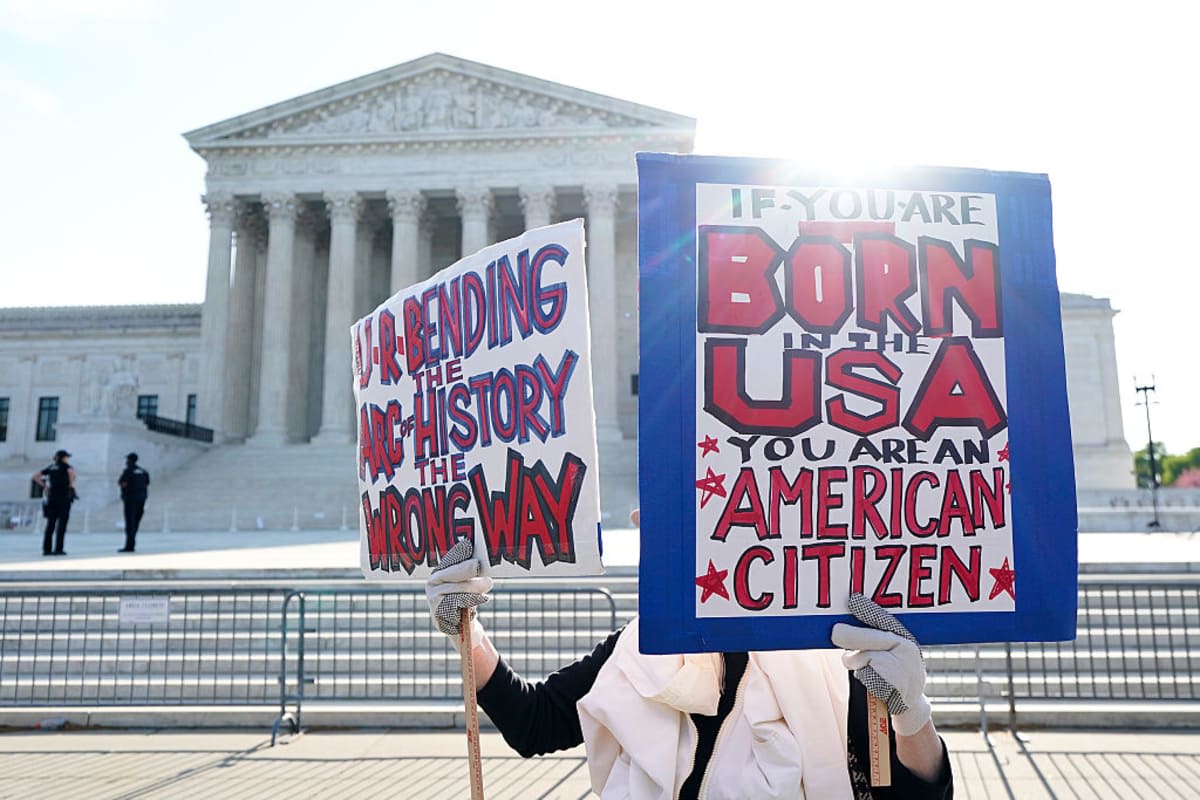
Reagan, who is often considered the father of modern conservatism, had a slightly varying view on immigration as he signed a sweeping immigration reform bill into law back in 1986 that gave amnesty to all immigrants who entered the country before 1982. While it was sold as a crackdown with promises of tighter security at the Mexican border and penalties for hiring undocumented workers, Reagan did pave the way for millions to become American citizens. Thus, at a time when birthright citizenship is in the limelight, his quote, "You can go to live in France, but you cannot become a Frenchman. But Anyone, from any corner of the Earth, can come to live in America and become an American. This, I believe, is one of the most important sources of America's greatness," is going viral.
Ronald Reagan: “You can go to live in France, but you cannot become a Frenchman…But Anyone, from any corner of the Earth, can come to live in America and become an American…This, I believe, is one of the most important sources of America's greatness.”🇺🇸 pic.twitter.com/HJDeDqqzLJ
— Republicans against Trump (@RpsAgainstTrump) June 30, 2026
The clips of the former president resurfaced on social media after the Supreme Court justices ruled that the Trump administration violated a provision of the 14th Amendment by signing an executive order that sought to undo birthright citizenship in the U.S. Chief Justice John Roberts wrote the court's 6-3 opinion, in which he was joined by five justices, with Justice Brett Kavanaugh dissenting in part. "Citizenship, then and now, was the right to have rights to freely participate in our political community. The Framers of the Fourteenth Amendment extended that promise to 'every free-born person in this land. We keep that promise today," Robbins wrote, as per The Guardian.
After Trump signed the executive order on the first day of his second term, it swiftly drew lawsuits from the Democratic state attorneys general and the American Civil Liberties Union. During oral arguments in the court, the ACLU argued for the Trump v Barbara, a class-action challenge to the order, brought by parents of children who would be affected by the change. On the other hand, the Trump administration argued that the landmark decision on birthright citizenship in the United States v Wong Kim Ark case relied on parents having permanent “domicile” in the U.S. But the term is not included in the 14th Amendment.
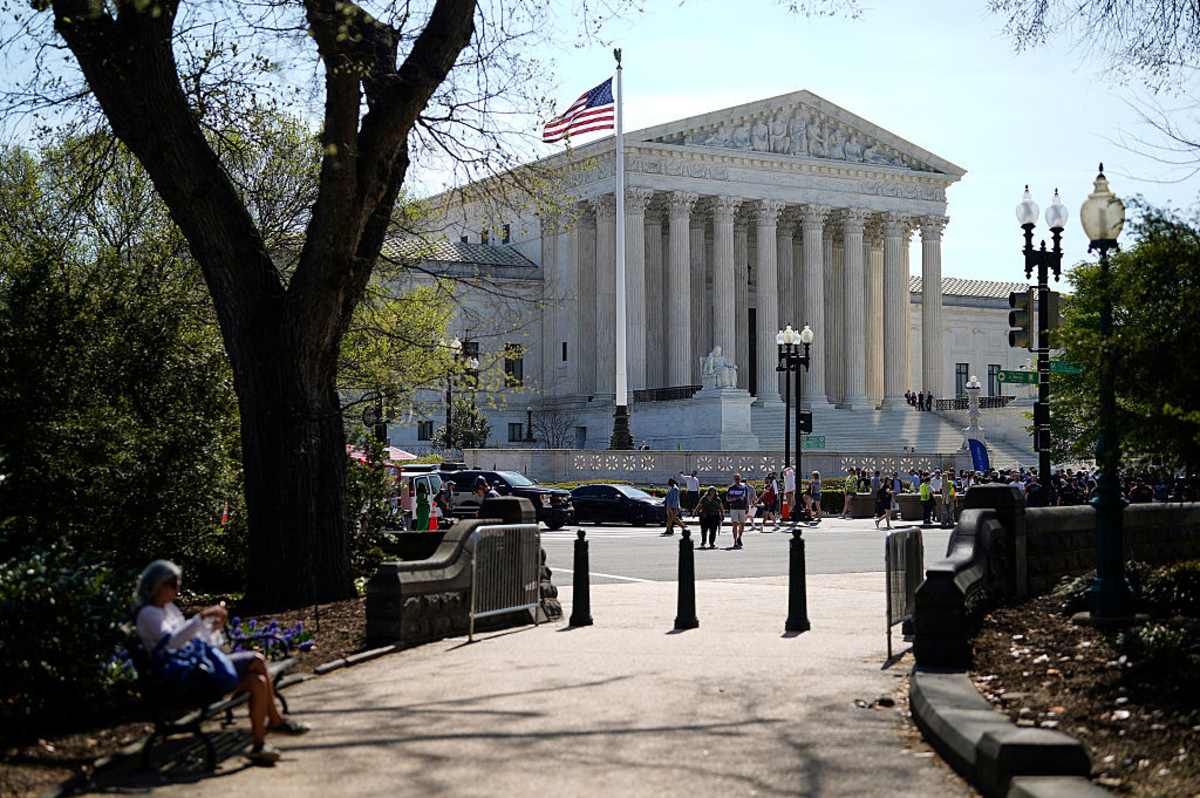
Thus, the majority opinion walked through the meanings of citizenship, from English common law into slavery and then emancipation, and then into efforts to undermine citizenship, including the Chinese Exclusion Act. Meanwhile, Kavanaugh wrote in a partial concurrence that he doesn't believe Trump’s executive order violated the 14th Amendment, but he agreed that it did violate a federal statute. He added that Congress could amend the federal statute or create new legislation to include exceptions to birthright citizenship for children born to parents who do not have permanent legal status.