Senate passes War Powers resolution to curb Trump's military authority on Iran
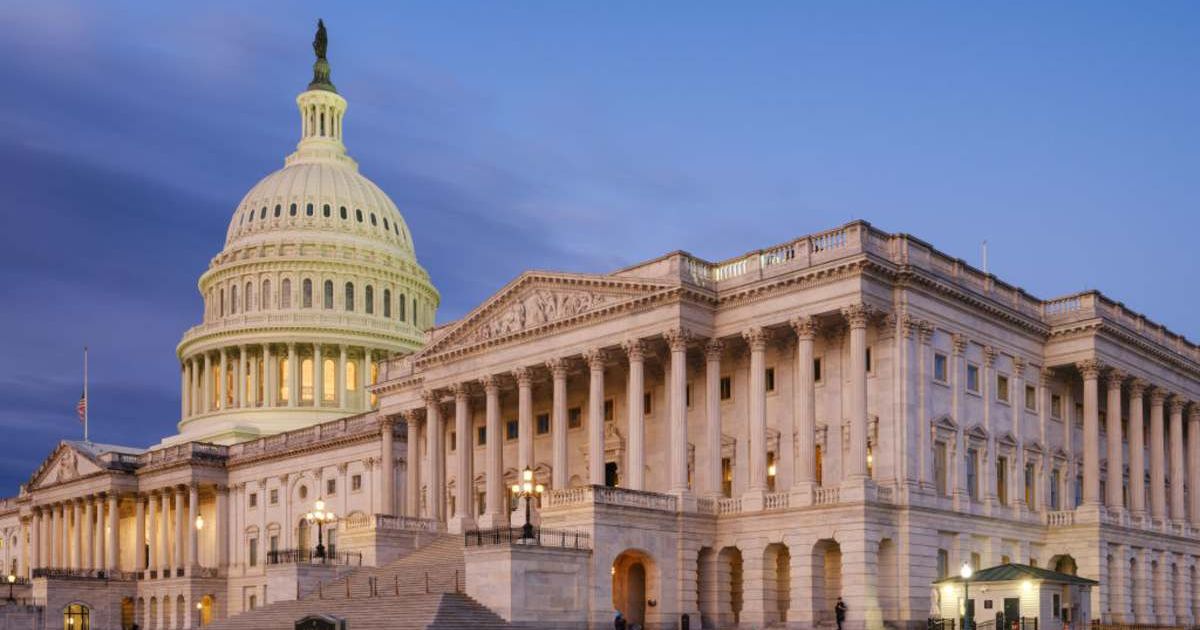
In a historic congressional pushback against President Donald Trump's war-making powers, the U.S. Senate on Tuesday voted 50-48 on a War Powers Resolution, with four Republicans voting to stop the military action in Iran, and two GOP absentees. The development comes even as peace negotiations between Iran and the United States continue following the signing of a 14-point Memorandum of Understanding (MOU) by President Trump and his Iranian counterpart, Masoud Pezeshkian.
This is the first time that both the House and the Senate have successfully passed a War Powers resolution since the Iran conflict began with Operation Epic Fury on February 28. While largely symbolic, the resolution does rein in the President's authority in declaring military operations without congressional approval. Trump and the White House have called previous resolutions non-binding, and the legislation is likely to make its way into courts.
The Senate just joined the House in voting to end Trump’s illegal and costly war with Iran.
— House Democrats (@HouseDemocrats) June 23, 2026
The president CANNOT continue to skirt Congress’s authority.
This war should never have happened. This is a win for the American people.
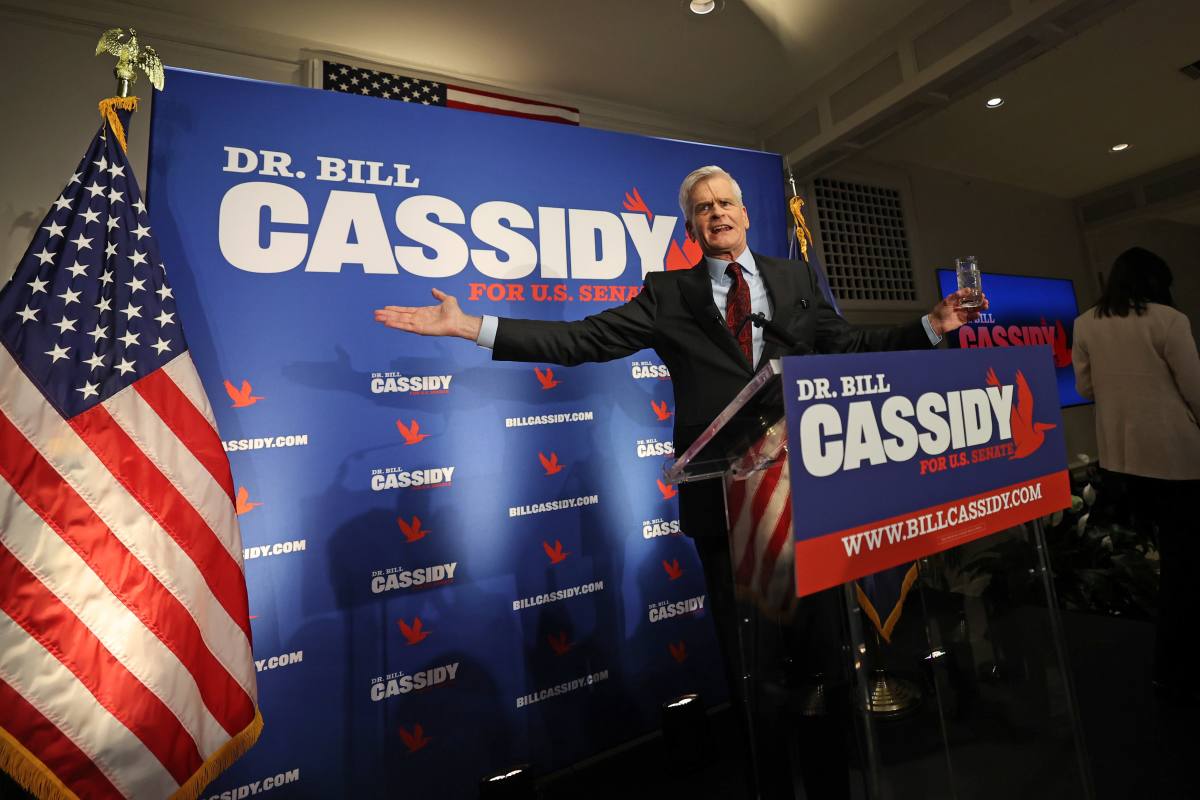
Among the four GOP senators who broke ranks to join the Democrats, Bill Cassidy had said on the Senate floor that while he supports the Trump administration's efforts to weaken Iran's military and nuclear capabilities, Congress should not have been left "in the dark" about such military operations. "Until the administration provides clarity, no congressional authorization or extension can be justified," Cassidy had said. The other Republicans who supported the resolution include Susan Collins, Lisa Murkowski, and Rand Paul. Senator John Fetterman of Pennsylvania was the only Democrat to vote against the measure, approved under Section 5(c) of the 1973 War Powers Resolution.
House Foreign Affairs Committee ranking member Gregory Meeks welcomed the development, thanking his "Democratic colleagues and the Republicans who joined us across party lines for saying enough is enough." "Even if the administration succeeds in reaching a new nuclear agreement, by their own description, it appears to at best fall short of the Joint Comprehensive Plan of Action (JCPOA) that Trump tore up in the first place. This war should have never happened; it has made clear the limits of U.S. military intervention and the need for thoughtful, hard diplomacy," he said in a statement.
The impact of the measure, however, remains unclear as hostilities between Tehran and Washington have paused following the interim peace agreement. The days within the 60-day window that follow will be crucial for the President to secure a deal to end all hostilities with Iran. While largely symbolic, the resolution does put pressure on President Trump, and is a likely outcome of increasing public backlash over the war's mounting costs and impact on domestic gas prices.