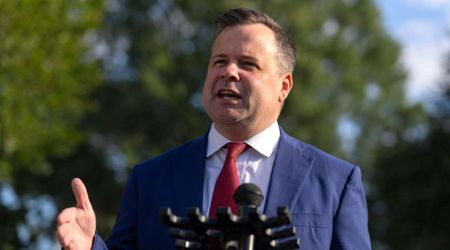
Secretary of State Marco Rubio warns AI could 'destabilize societies all over the world'
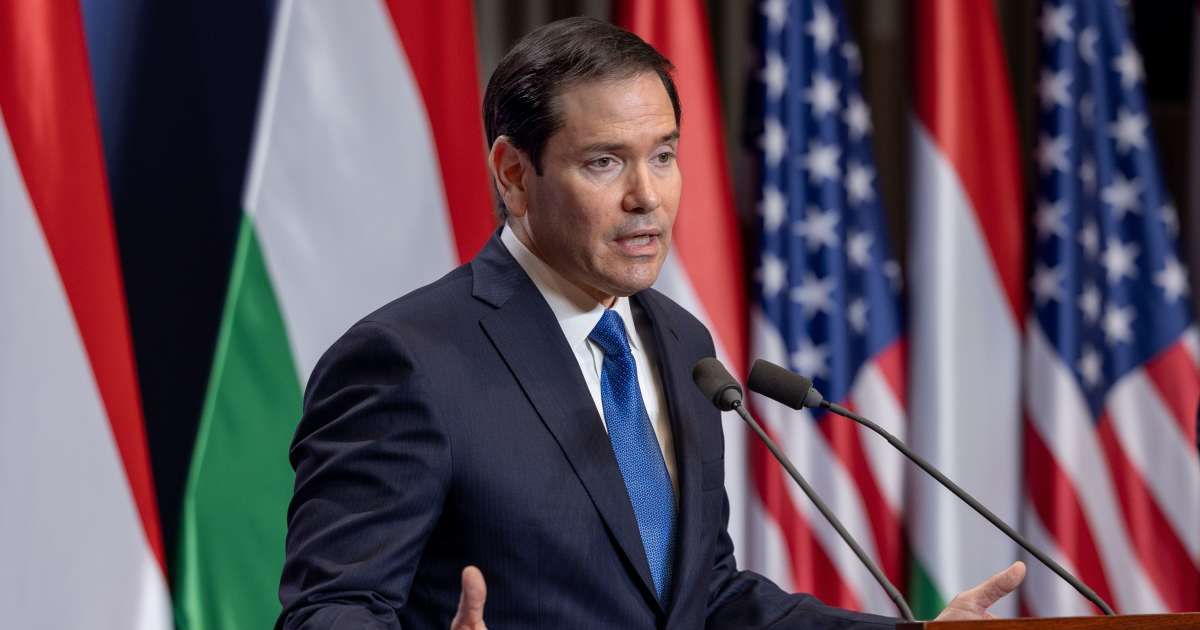
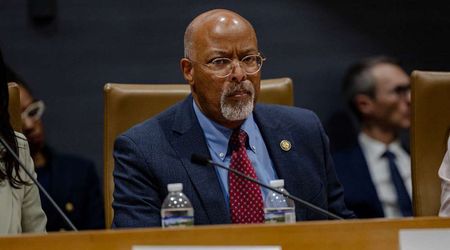
U.S. Secretary of State Marco Rubio said Tuesday that artificial intelligence has the potential to destabilize societies around the world. During a Senate hearing, Sen. Pete Ricketts asked Rubio whether export controls on SMEs were critical to maintaining the United States' technological advantage over China. Responding, Rubio said that while the U.S. was a leader in AI, that lead was not irreversible, given the pace at which China was developing.
He also urged the Senate to view the positive and negative impacts AI would have on American society, especially on jobs. "We have to start thinking, not simply about the impact that AI will have on those jobs, but the societal pressures that will create," he said. "Much like industrialization and automation did, it will make the worker more efficient and more valuable, but it will eliminate some jobs, and those jobs will have to be replaced with new jobs or new skills."
The Secretary of State called it a political issue that "over time, could destabilize societies all over the world." Rubio's statement comes closely on the heels of U.S. President Donald Trump signing an executive order to create a "voluntary framework" to help the U.S. gain early access to cutting-edge AI models. The order comes after top government officials raised security concerns. Among them, Treasury Secretary Scott Bessent expressed concerns about Anthropic's upcoming Mythos model, capable of identifying and exploiting cybersecurity vulnerabilities. President Trump's order also urges AI companies to "collaborate with the federal government to select trusted partners that will have early access to covered frontier models to promote secure innovation and strengthen the cybersecurity of critical infrastructure." However, the administration has made it clear that it was not intended to impose burdens on AI companies.
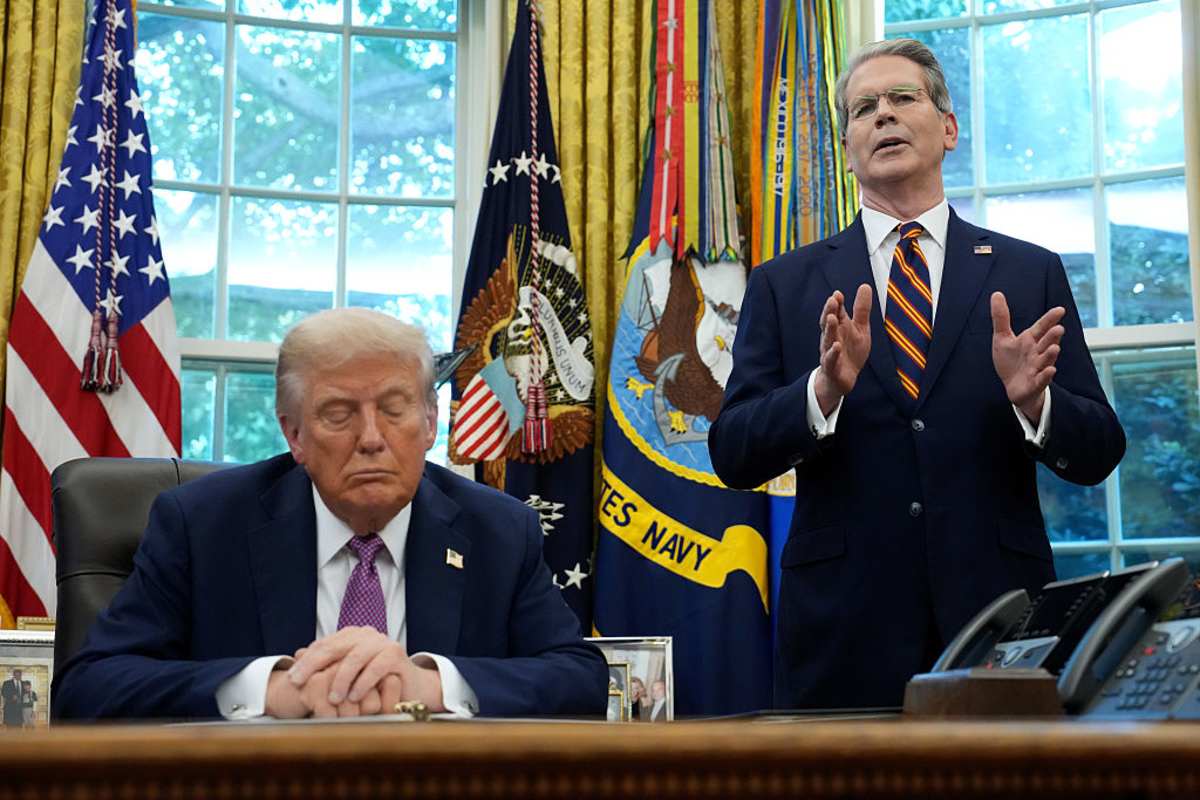
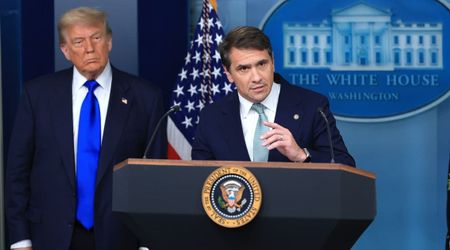
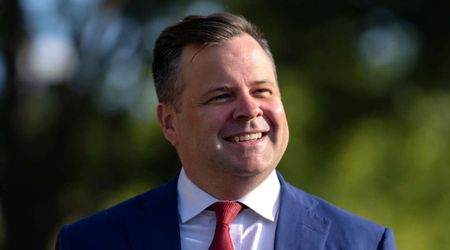
"I want to emphasise this is not regulation," Kevin Hassett, director of the National Economic Council, said. "We're going to continue to dominate the AI race, and we're going to do it with security at the forefront, which we think this executive order accomplishes."
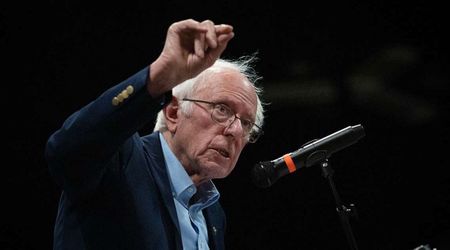
After calling efforts to regulate AI "foolish," Trump finally acknowledged AI poses a real threat. That's the good news.
— Bernie Sanders (@BernieSanders) June 2, 2026
The bad news? His executive order is voluntary and does almost nothing to protect Americans.
Congress MUST act. https://t.co/xt8lZZd2rp
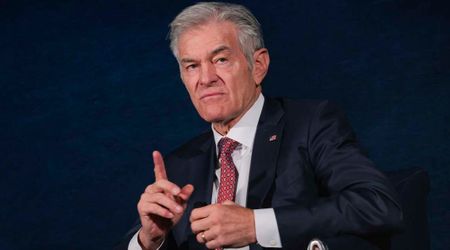
According to Michael Kratsios, Director of the White House Office of Science and Technology Policy, the executive order would keep the country leading in AI while strengthening its cyber defenses. "AI systems are now the most powerful tools we have ever had to harden our cyber infrastructure and stay ahead of adversaries. It is a real blessing that these capabilities are being developed by American industry, and not by those who would use them against us," he wrote in a post on X.
Today @POTUS signed an EO that keeps America leading in AI while putting frontier AI capabilities to work strengthening our cyber defenses.
— Director Michael Kratsios (@mkratsios47) June 2, 2026
AI systems are now the most powerful tools we have ever had to harden our cyber infrastructure and stay ahead of adversaries. It is a real…
However, Democrats remained critical of the development. Reacting to the order, California Governor Gavin Newsom took to X to claim that the President had spent "a year mocking AI safety concerns and calling them anti-American." Sen. Bernie Sanders had a similar opinion, saying that the order was not going to protect Americans, and urging Congress to intervene.