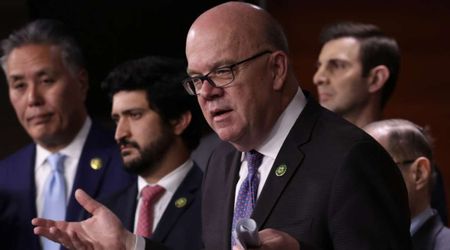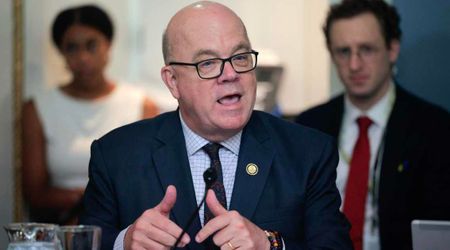
Rep. Thomas Massie introduced the Epstein Files Transparency Act II

A bipartisan group of lawmakers led by Rep. Thomas Massie introduced new legislation on Wednesday that grants more power to state attorneys general, district attorneys, and Epstein’s victims to demand transparency from the Department of Justice over its handling of the Jeffrey Epstein-related records.
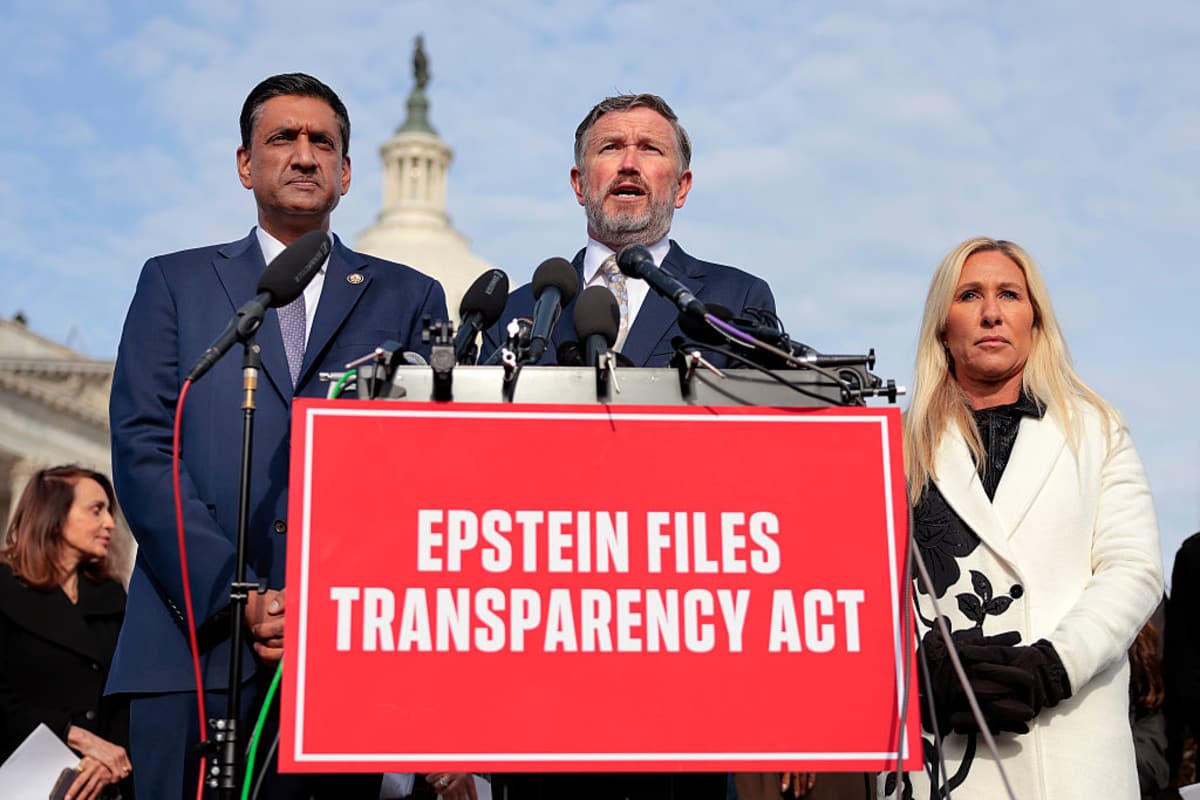
The bill, titled Epstein Files Transparency Act II, aims to create a private right of action that would allow state officials, including attorneys general, district attorneys, members of Congress, and victims, to challenge the Justice Department in court over withheld, delayed, or heavily redacted files. If signed into law, the legislation would also require the Justice Department to provide state and local prosecutors with unredacted records, including secure access to classified materials, needed for their own investigations. It would further subject the department and FBI officials to existing federal criminal penalties for knowingly concealing or falsifying files.
🚨We just introduced Epstein Files Transparency Act II.
— Thomas Massie (@RepThomasMassie) July 15, 2026
Among other things, it gives STATE AGs necessary access to Epstein files required to prosecute co-conspirators under STATE LAW. https://t.co/RvjKL7O8bV@SenJeffMerkley @SenatorLujan @NewMexicoDOJ @RepTeresaLF @RepRoKhanna pic.twitter.com/ki0omuWW87
Massie, a Kentucky Republican, and Democratic Rep. Ro Khanna, from California, co-authored the original Epstein Files Transparency Act, which was signed into law by President Donald Trump in November 2025. While it forced the Justice Department to release millions of Epstein-related records, the lawmakers alleged that it still “continues to unlawfully withhold over 3 million Epstein files,” and even the released files are heavily redacted. Khanna, alongside Rep. Teresa Leger Fernández, is co-leading the House bill with Massie, while Sens. Jeff Merkley and Ben Ray Luján are leading the Senate companion version.
“Since the Epstein Files Transparency Act was signed into law on November 19, 2025, the Department of Justice has flagrantly and consistently ignored EFTA’s disclosure requirements,” Massie stated. Meanwhile, New Mexico Attorney General Raúl Torrez has offered a concrete reason for the bill, citing his office's needs for unredacted records to complete an active criminal investigation. Torrez has been engaged in a public battle with the administration, and on Tuesday he released a letter, accusing the Justice Department of deliberately obstructing the state's criminal probe of Epstein by failing to hand over the files. He claimed the federal agency was refusing to cooperate and "hindering" his investigation, Axios reported.
The survivors deserve answers and we will continue to fight to get them. Thank you @SenatorHeinrich https://t.co/E1rbOss8h6
— New Mexico Department of Justice (@NewMexicoDOJ) July 16, 2026
In response to the allegations, the Justice Department on Wednesday stated that it was prohibited by law from releasing the unredacted files on Epstein that were requested by New Mexico, further escalating the feud. The state's Justice Department reiterated its federal counterpart's claim that it could not release unredacted documents, adding that the federal prosecutors routinely sought to modify protective orders so they could provide material to state law enforcement for their criminal investigations, which itself is cooperation, Reuters reported.
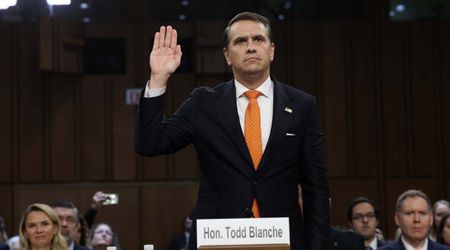
Thus, the bill comes at a crucial time for Torrez as he faces an uphill battle. Furthermore, on the same subject, Acting Attorney General Todd Blanche faced tough questions during a Senate confirmation hearing this week, from Democrats, including Sens. Dick Durbin and Chuck Schumer. The lawmakers have pressed Blanche over the Justice Department's compliance with the original law, and he stated that the administration has been more transparent about the late sex offenders' records than any previous administration, and that no investigations tied to the case remain closed.