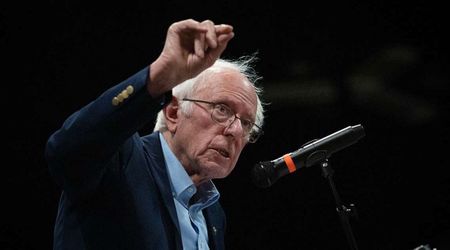
'Reckless': Senator Peter Welch expresses concern over Trump's Cuba rhetoric
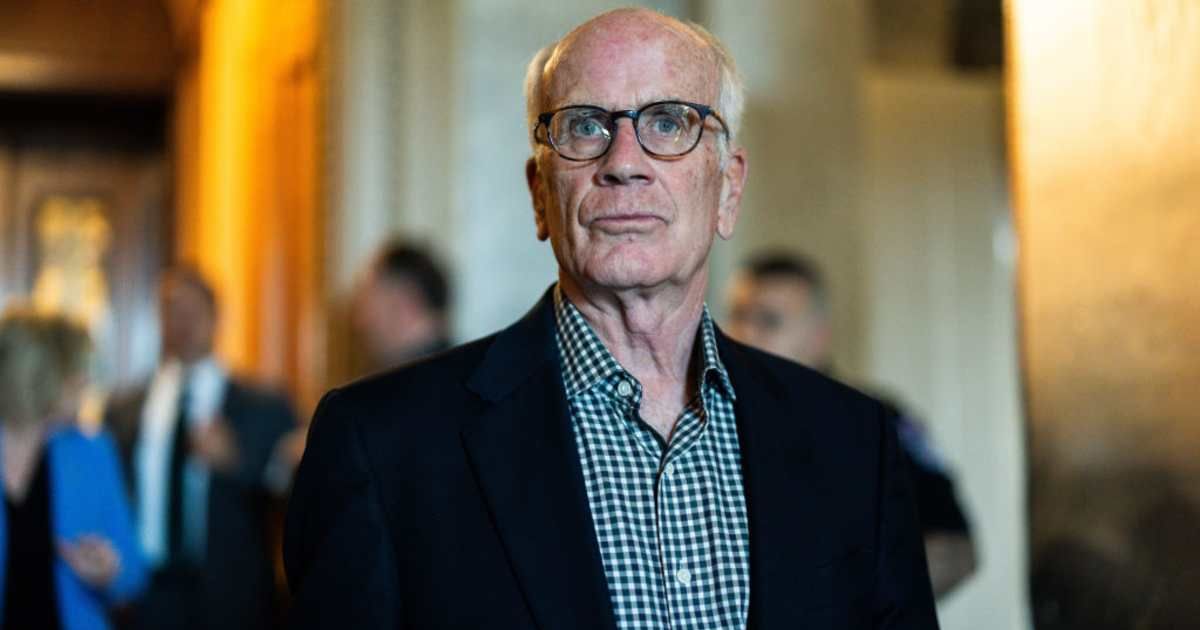
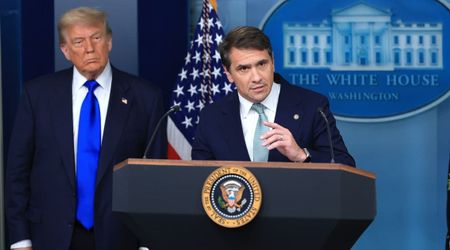
Senator Peter Welch from Vermont criticized President Donald Trump after he suggested that the U.S. could quickly take over Cuba using military force after the Iran war. Welch claimed that it wasn't something that the American people want, and the President, along with Secretary Marco Rubio, was "recklessly" putting the lives of U.S. troops in danger.
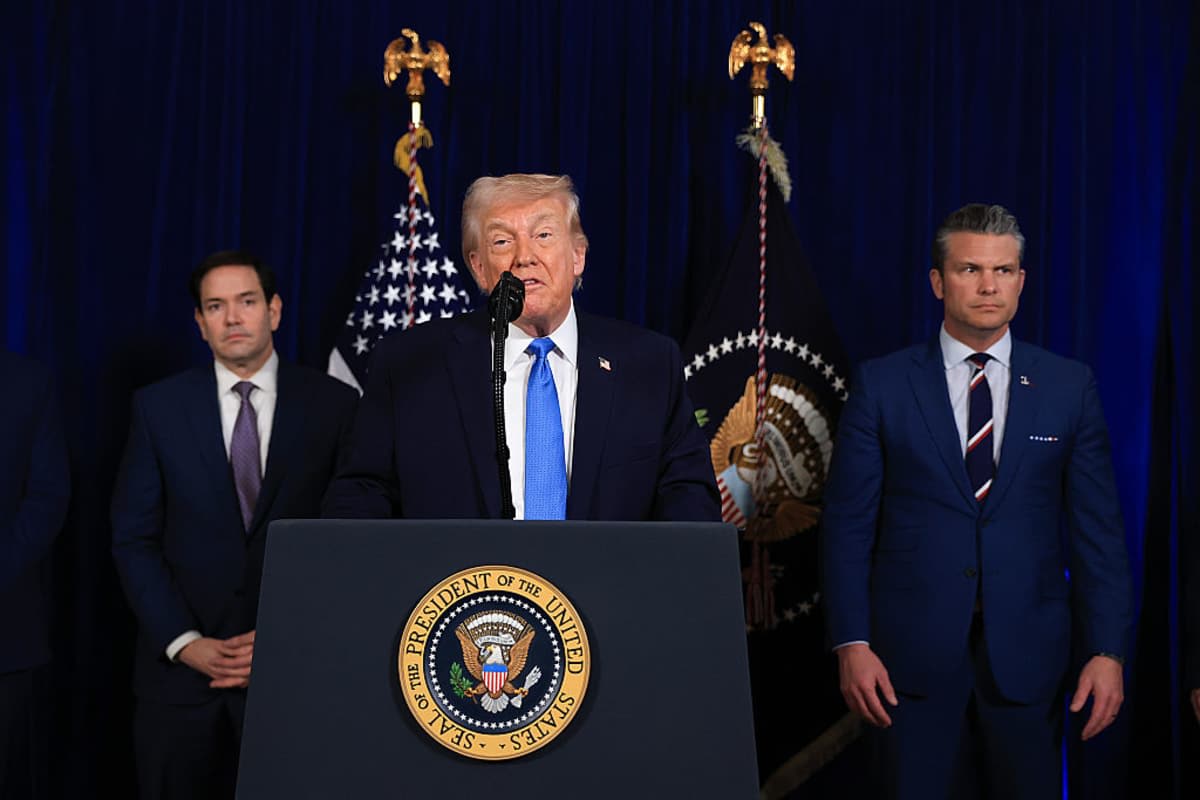
Trump has continued to tighten U.S. foreign policy towards the island nation, indicating that he wants to change its communist leadership. Last week, he signed an executive order expanding the sweeping sanctions on Cuba after it refused to accept the demands of the U.S. On the same day, during remarks in Florida, the President said the U.S. could take over Cuba “almost immediately," and the aircraft carrier USS Abraham Lincoln could be positioned offshore on the way back from Iran. Welch expressed concern over the comments in a post on X, writing, "President Trump and Secretary Rubio are making up false reasons to invade Cuba, which poses no threat to the U.S." He claimed the American people don't want this, and they want to stop Trump from "recklessly putting our troops in danger."
President Trump and Secretary Rubio are making up false reasons to invade Cuba, which poses no threat to the U.S.
— Senator Peter Welch (@SenPeterWelch) May 5, 2026
The American people don’t want this. They want Trump to stop recklessly putting our troops in danger. https://t.co/CCDPlUKfkm
The senator's comments come as a new poll by YouGov (sponsored by the Center for Economic and Policy Research) found 64% of Americans oppose the U.S. going to war against Cuba, while only 15% supported it, with the rest being "unsure." "This should make President Trump think twice about another 'war of choice,'" said Mark Weisbrot, Senior Economist and Co-Director of CEPR, in an official press release. He added that almost all experts on Cuba "would laugh at the idea that Cuba presents a security threat to the U.S."
The Trump administration has been engaged in talks with the Cuban government to lift its near-total blockade on oil in exchange for expansive economic and governance reforms, along with the release of political prisoners as a show of good faith. However, the Cuban government refused to meet the demands and blew past the deadline last month. In response, Trump signed an executive order expanding the sanctions and targeting individuals and entities linked to Cuba's security apparatus, energy sector, financial services, and other parts of the economy, according to Newsweek.
Democrats openly supporting our communist enemies.
— Ted Cruz (@tedcruz) May 6, 2026
Shameful. https://t.co/ygSTUJtxOA
Following the announcement, Cuban Foreign Minister Bruno Rodriguez condemned the sanctions as "illegal and abusive." Writing on X, Rodriguez said the "unilateral coercive measures" violated the United Nations Charter, and they impose "collective punishment against the Cuban people". He further shared videos of people protesting in Cuba, claiming they stood "in defence of the Homeland."
We firmly reject the recent unilateral coercive measures adopted by the #UnitedStates government. These actions demonstrate an intention to impose, once again, collective punishment on the Cuban people.
— Bruno Rodríguez P (@BrunoRguezP) May 1, 2026
It is no coincidence that these measures were announced on May 1, the very… pic.twitter.com/7iaaJ0GXLM
Since the oil blockade was imposed in late January, Cuba has faced severe fuel shortages and widespread blackouts. Only one Russian oil tanker has reached the country since the blockade, and the impact has spread to hospitals, public transport, and education in the country. Trump has also threatened to impose hefty tariffs on goods imported into the U.S. from any country that provides oil to Cuba, and he is now seemingly considering military action as well. Earlier, a group of Democratic senators tried to advance a resolution that would prevent Trump from taking unilateral military action against Cuba without Congressional approval, but it was shot down in the Senate by the Republicans.