'Please send him to every swing state': Ted Lieu mocks Trump's remarks on energy for data centers
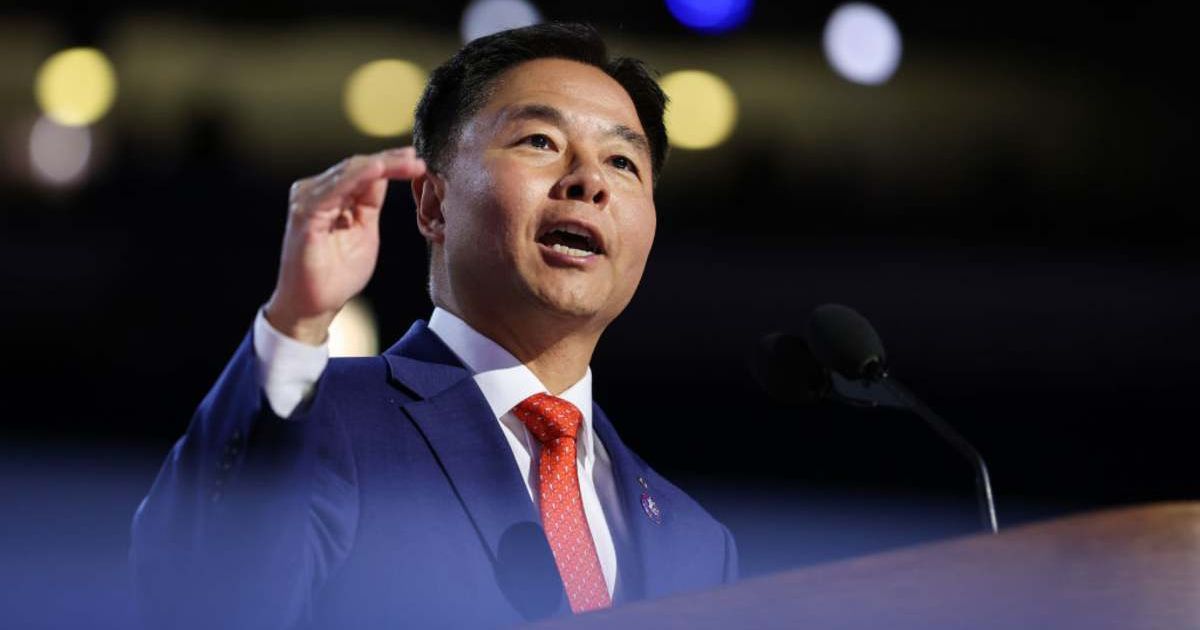
President Donald Trump on Thursday expanded his pledge that aims to keep utility costs down for consumers by forcing data centers to "pay their own way" for the electricity they use. While the Ratepayer Protection Pledge promises to protect consumers, it's still voluntary for companies, and in his remarks, Trump continued to defend data centers, saying they will make communities "rich." Reacting to his comments, Democratic Rep. Ted Lieu sarcastically urged the Republicans to send Trump to every swing state so that he can berate people who are already burdened by the rising cost of living.
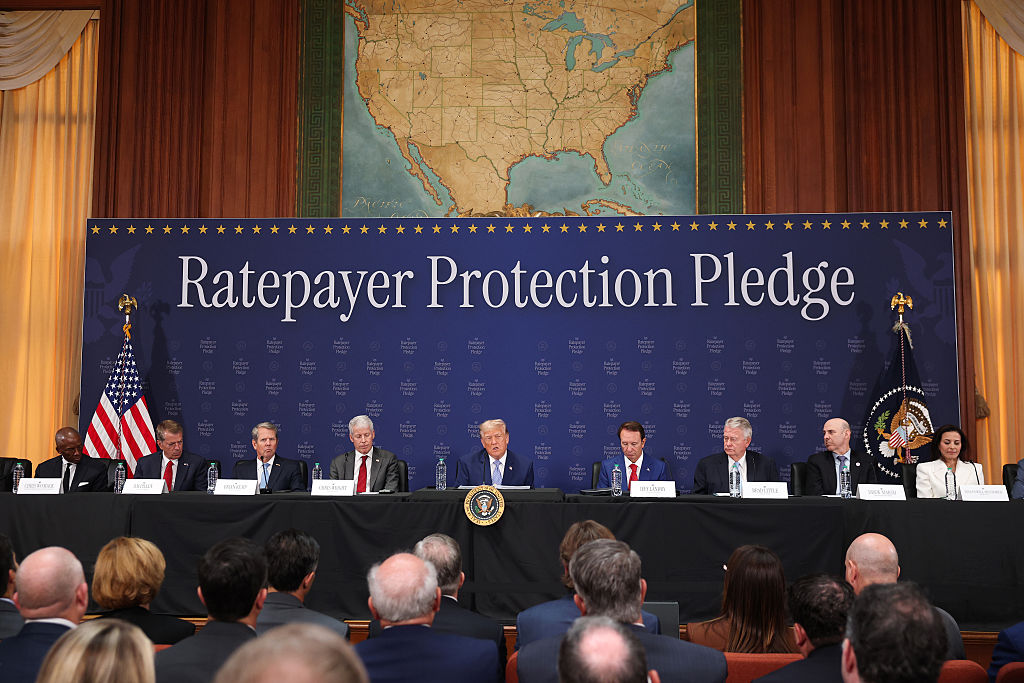
Trump had 23 governors and electricity companies join the voluntary pledge to shield U.S. consumers from higher utility bills from data centers, as the impact of the huge build-out for artificial intelligence has become a major talking point for the upcoming midterm elections. Companies that sign the pledge agree to "protect American consumers from price hikes due to data center energy and infrastructure requirements, and lower electricity costs for consumers in the long term."
While Trump pushed for consumer protection, he also praised data centers, claiming that cities and communities that get along with them will benefit hugely. At one point, Trump admitted that "nobody had explained to him" why the data centers use such high amounts of energy, adding "nor that I care about it so much, to be honest". Reacting to the comments, Lieu urged the Republicans to send Trump to every swing state so he can talk about how little he cares about rising costs.
Dear @WhiteHouse: Please send trump to every single swing district.
— Ted Lieu (@tedlieu) July 23, 2026
He can tell the voters directly why he doesn’t care about data center energy use, or skyrocketing gas prices, or the biggest cuts to health care ever.
Thank you for your attention to this matter. https://t.co/mrt1rspsdA
The President even advocated for the centers, urging communities to go along with them. "You have communities that really want the data centers, and frankly, those are the smart communities because it means tremendous numbers of jobs, very little actual disruption," he said. He further claimed that there was "tremendous amounts of money" that tech companies are investing to build the infrastructure behind the AI boom. "You have to convince your community how great these things [are]," Trump told the officials present at the event. "You can't fight it. You have to go with it, and you’re going to have all that protection," he added.
According to the official website of the pledge shared by the White House, about 27 data center developers, 55 utility companies, and 105 electric cooperatives have signed the pledge along with 23 Republican governors, The Hill reported. Despite the pledge, both left-wing and right-wing critics expressed doubts that it will actually be effective in bringing down consumer costs. Electricity costs have gone up by about 4% from last year, and energy costs have increased by 16%, according to the Associated Press. Thus, the affordability crunch poses a significant hurdle for Republicans in maintaining control of Congress after the November midterm election.

Many have argued that the pledge doesn't ensure enforcement; thus, there is no mechanism to hold people accountable for violating the pledge. However, the pledge's website seeks to push back on this argument, stating that the Ratepayer Protection Pledge "now has commitments from every one of them [who signed] and from the developers who actually build the facilities." Trump first announced the pledge with leading AI and tech companies in March, but the initial commitment has done little to comfort voters who are already grappling with affordability issues. On the other hand, a slowdown in data center construction could derail the U.S. economy, as it has been a dominant driver, and it could put the nation behind in the ever-crucial AI race.