'Pay to play': Democrats launch probe into Trump’s clemency decisions
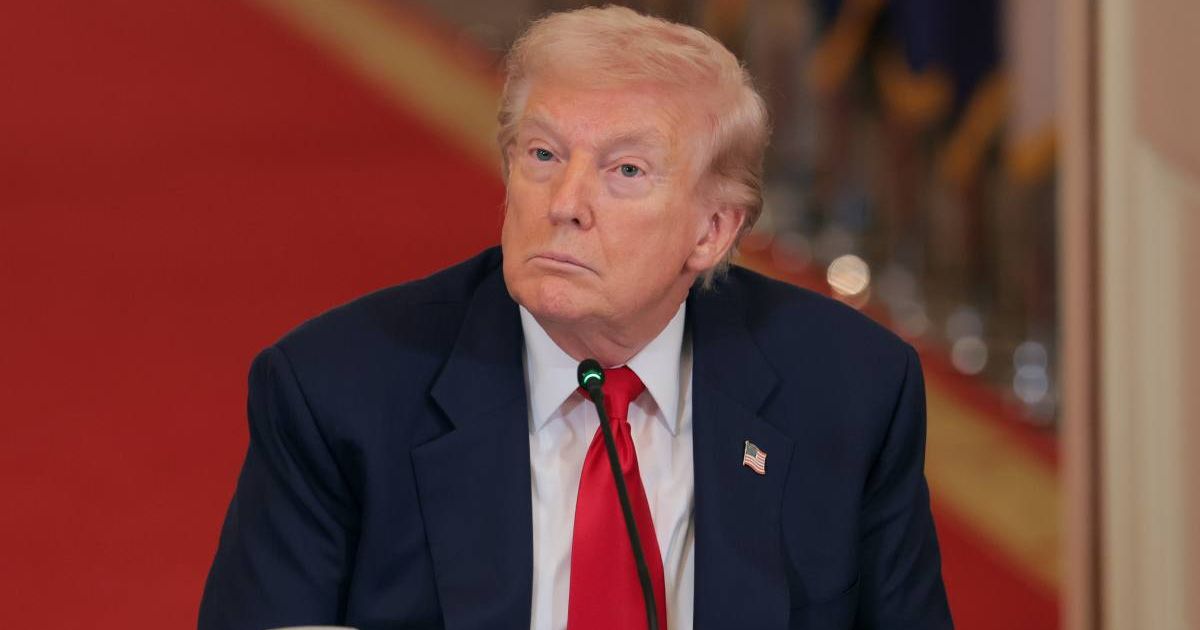
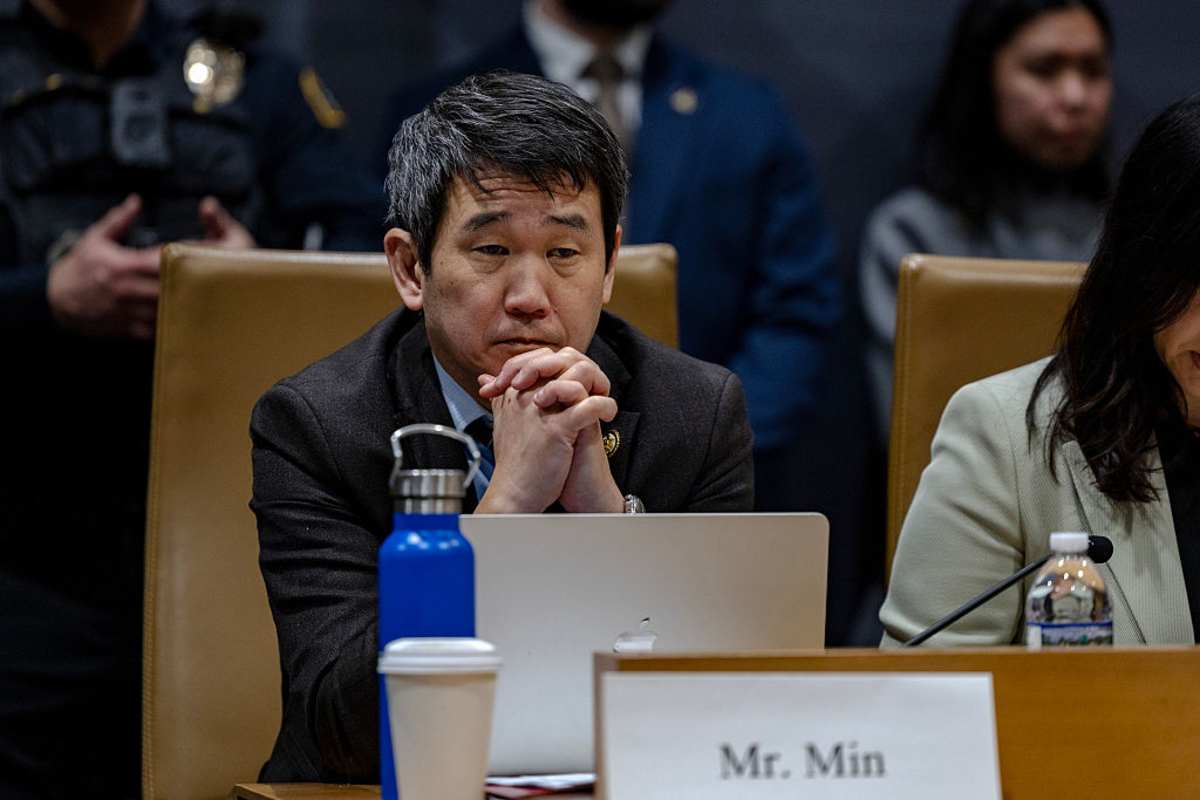
Democrats in both the House and Senate are launching a probe into what they allege is a potential "pay-to-play" scheme for President Donald Trump's clemency decisions. Sen.Peter Welch (D-Vt.) and Rep. Dave Min (D-Calif.) on Thursday sent letters to 17 people who received pardons or commutations from the president, asking whether leniency was granted to them under quid pro quo circumstances. The list of recipients includes several high-profile and controversial names who made headlines when they received their pardons.
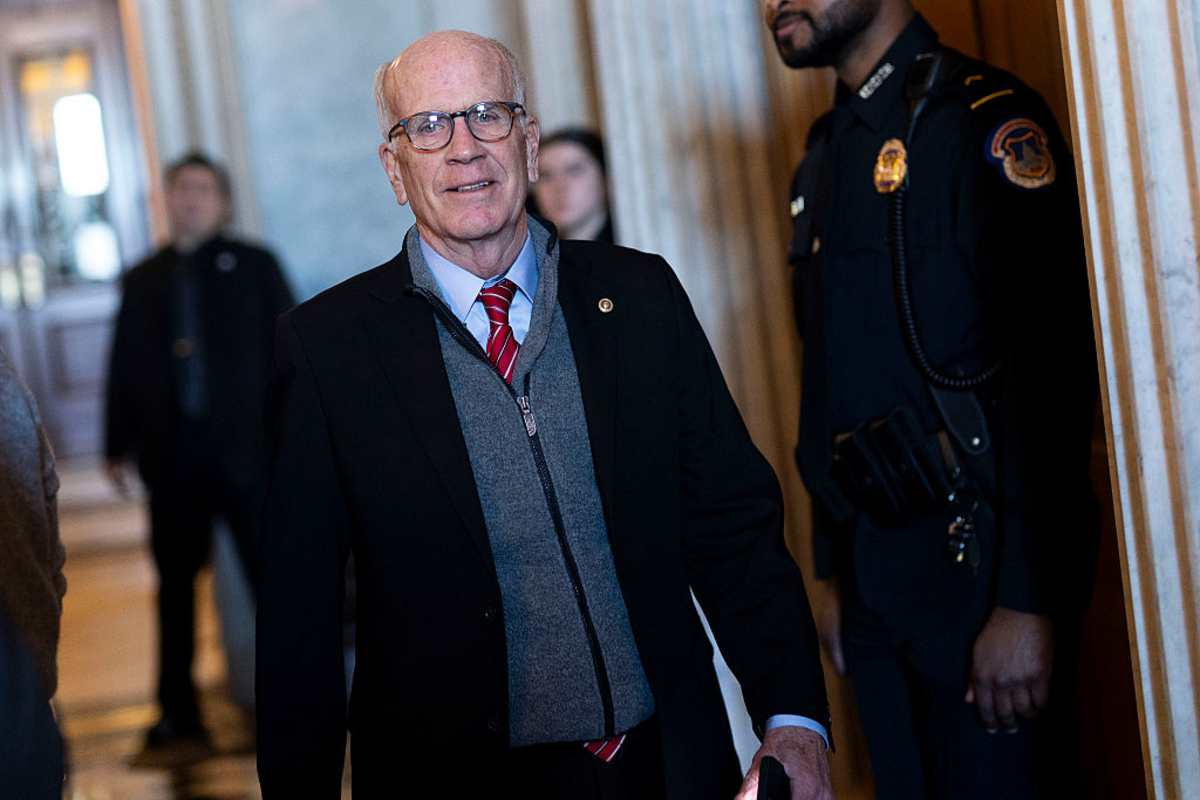
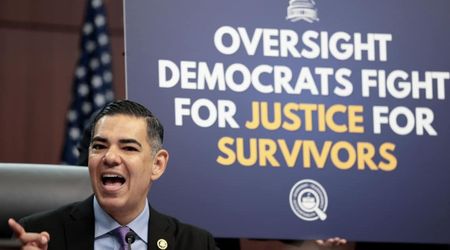
On Thursday, California congressmen Dave Min and Raul Ruiz, along with Vermont Sen. Peter Welch, sent letters to the recipients seeking details of whether they received favorable treatment from Trump or his advisers "through intermediaries, financial contributions, or other forms of influence," according to letters obtained by CBS News. The list of recipients shared by Min, a member of the House Oversight and Government Reform Committee, includes the names of 17 people who allegedly received pardons "under suspicious circumstances".
The list includes names such as Trevor Milton, the founder and former CEO of Nikola Corporation, who was convicted in December 2023 of securities fraud and wire fraud. While federal prosecutors sought roughly $661 million in restitution from Milton to investors, he and his wife, according to Min's list notes, donated $1.8 million to Trump’s 2024 campaign fund. After taking office, Trump pardoned him in March 2025.
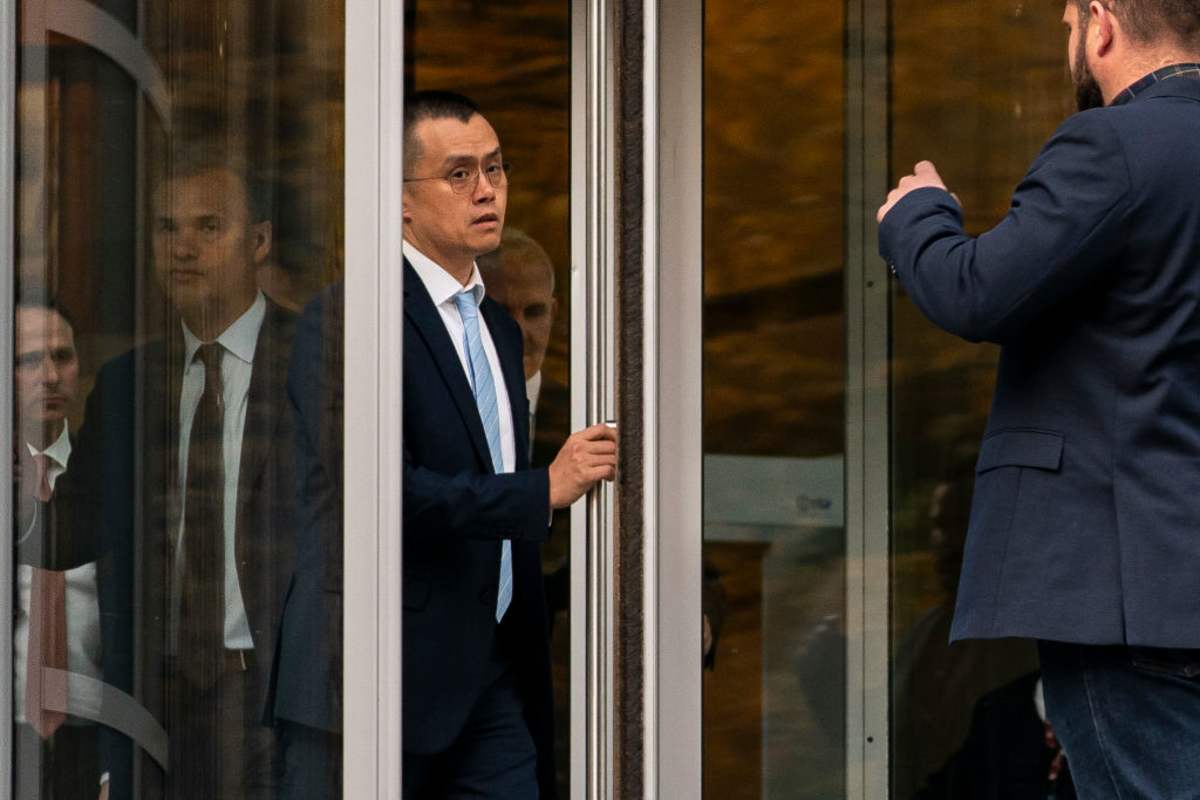
Another controversial name on the list is Changpeng Zhao, the founder of cryptocurrency exchange Binance, who pleaded guilty in 2023 to violating anti-money laundering laws and served four months in prison. The billionaire was later pardoned by President Donald Trump after Zhao’s company reportedly worked extensively with the Trump family’s World Liberty Financial business and its USD1 stablecoin. According to the document, Zhao also brokered a “massive investment” that boosted the value of Trump’s stablecoin to $2.1 billion.
In the letters, the Democrats asked for details from Milton, Zhao, and the 15 other recipients on the circumstances of their bids for clemency. The demands include disclosure on whether they retained or consulted with an attorney or lobbyist, whether they or others affiliated with them communicated with the Trump administration, or if they or others affiliated with them donated to Trump’s campaign or related organizations. They were told to provide answers by May 22, and the lawmakers are also examining the impact of pardoning the thousands of financial victims who were to get restitution. The letters note that Trump's clemency decisions are "depriving victims of compensation and justice," citing that the pardons led to the elimination of hundreds of millions of dollars in money owed to crime victims and fines.
"If they don't respond, they run the risk of highlighting themselves — of being the subjects of future congressional investigations and creating more of a target on their backs for potential further criminal prosecutions," Min told CBS News, adding that the idea that people can "get around the justice system" after being convicted "gets to the heart of what is wrong with America right now under this administration."
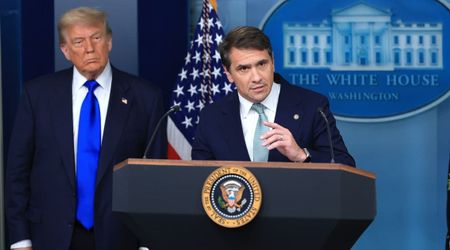
On the other hand, a spokesperson for the White House, Abigail Jackson, told The Hill that Trump “exercised his constitutional authority” in issuing the pardons and commutations, and criticized former President Joe Biden for pardoning his son, Hunter Biden, and other family members near the very end of his term.
Since Democrats are in the minority in both chambers, they don't have the power to subpoena the 17 individuals and can only request cooperation from the pardon recipients. However, this could become a top oversight area for Democrats if they manage to take back majorities in either chamber of Congress in the upcoming midterm elections.