
'Not based in reality': Pentagon spokesman denies falling out with SpaceX over Starlink pricing
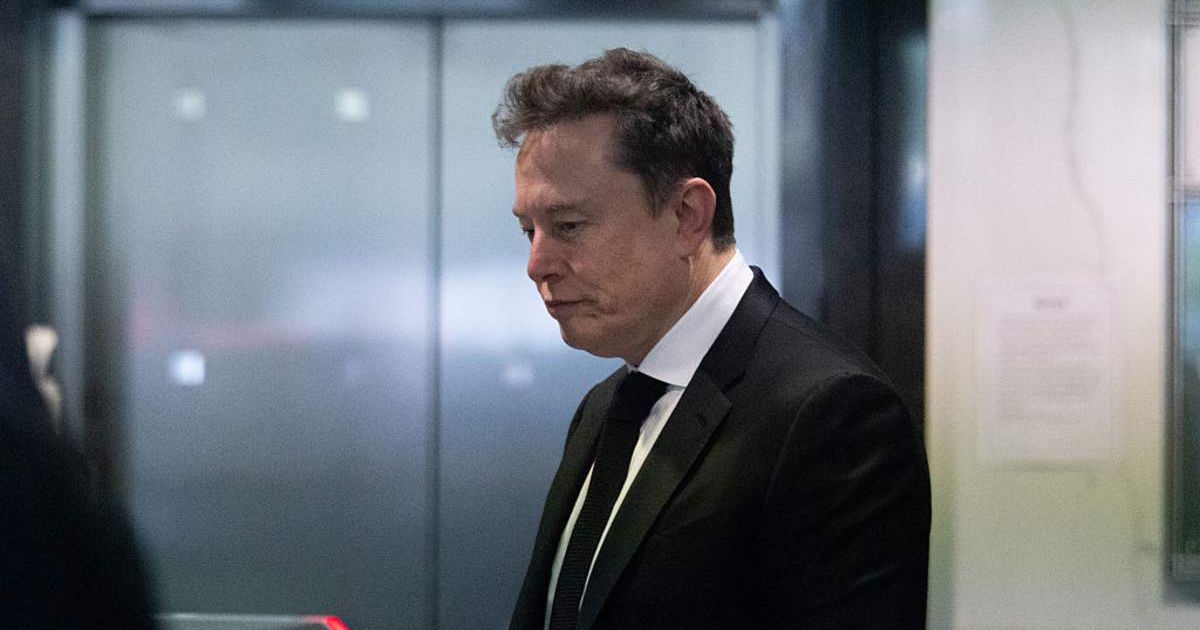
The Pentagon has flatly denied reports of a clash with SpaceX, with spokesman Sean Parnell calling the claims "simply not based in reality" and insisting the two sides continue to collaborate closely. "The Fake News media has the story wrong, again. SpaceX remains a strong and valued partner to the Department of War," he wrote on X. His clarification came in the wake of a Reuters report claiming SpaceX wanted the Pentagon to pay more for the continued use of Starlink.
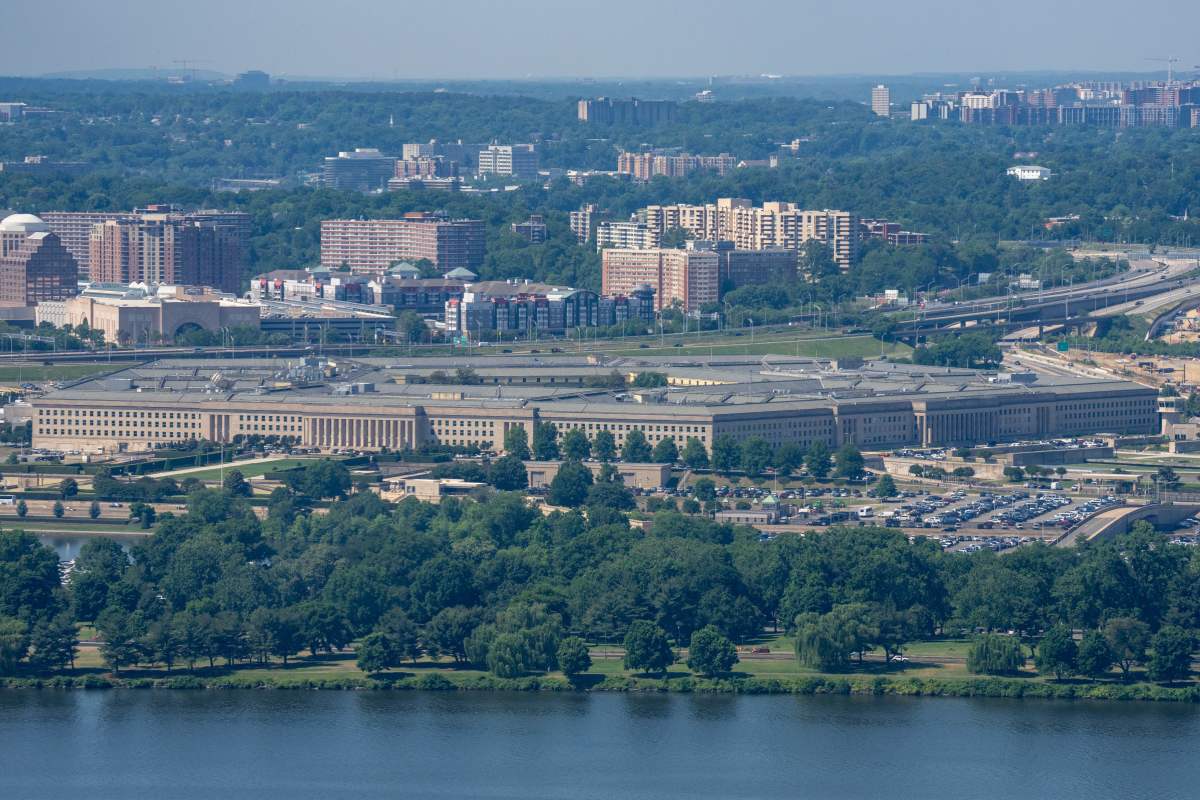
The report explained that Low-Cost Uncrewed Combat Attack System (LUCAS) drones, colloquially known as kamikaze or suicide, use Elon Musk's satellite Wi-Fi network for guidance. The drones have played a crucial role in the American bombing campaign against Iran. This led SpaceX officials to contend that the Pentagon should pay $25,000 for the connection as opposed to $5,000 at present. This, as per the report, was because the military is using a premium aviation tier in their view.

The Pentagon appears to be in damage-control mode, moving quickly to dismiss reports that its relationship with SpaceX was fraying over Starlink pricing. The unusually sharp response, borrowing from Trump's "fake news" playbook, raises an important question: whether a government department's reliance on a single company leaves it vulnerable to the owner's whims in matters of national security.
The US is at war with Iran.
— George Pu (@TheGeorgePu) May 26, 2026
Its kamikaze drones run on a Starlink subscription.
Mid-strike, SpaceX raised the bill 5x.
The Pentagon refused.
Then it paid.
There was no one else to call.
Their satellites.
Their tier.
Their price.
Next month SpaceX goes public at $1.75T.… pic.twitter.com/LlZmmU3gY8
Elon Musk did not issue a statement but directed his 240 million followers on X to the Pentagon's statement. Musk also owns X. The department reportedly agreed to pay SpaceX in a bid to avoid any disruption to its operations when it was ramping up attacks against Iran. This is not before government officials pushed for one last time, arguing that the higher price tag was designed for aircraft, not kamikaze drones that rely on Starlink only for a few minutes or hours.
The kamikaze drones are a clone of the Iranian Shahed-136 drones. Think of them as a low-cost, scalable system that provides remarkable capabilities at a fraction of the cost of traditional long-range U.S. systems that can deliver similar effects, according to CENTCOM spokesperson Capt. Tim Hawkins. The drones were built at an approximate cost of $35,000 per platform. They can be launched with different mechanisms, including catapults, rocket-assisted takeoff, and mobile ground and vehicle systems, possess an extensive range, and are designed to operate autonomously.