'New Communist Party': South Carolina Republican slams Democratic Party in social media broadside
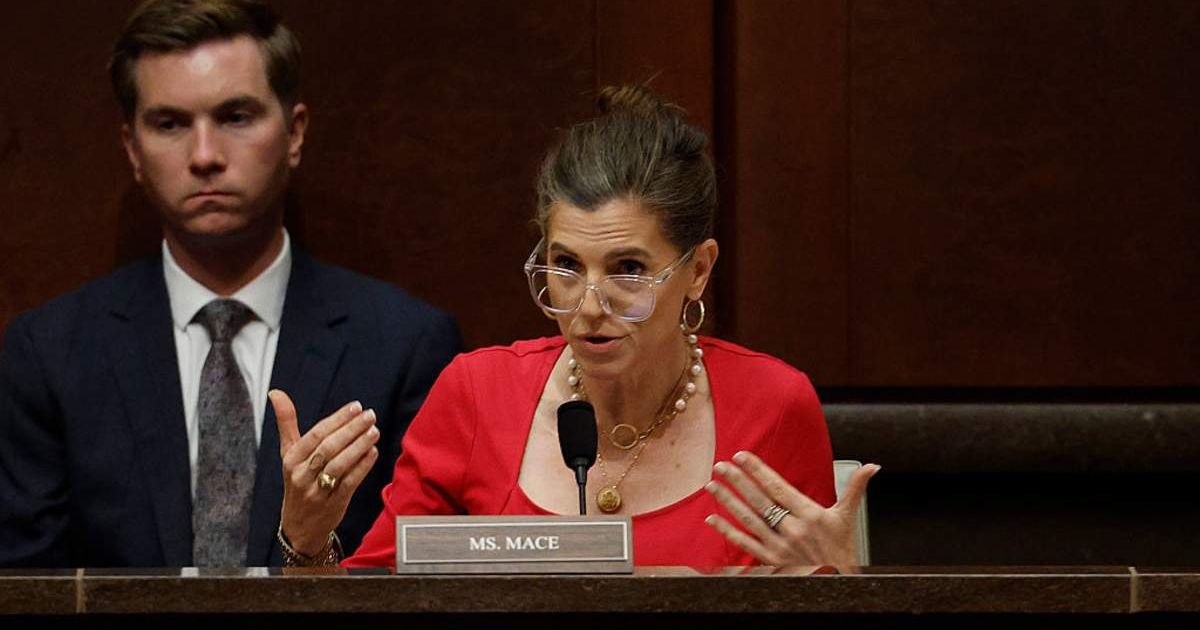
Rep. Nancy Mace (R-S.C.) followed in the footsteps of President Donald Trump's brand of partisan rhetoric, escalating her attack on the Democratic Party by claiming it has moved far to the left. "At what point do we call it what it is? The Democrat Party has become the new Communist Party," she wrote on X Saturday. It is not immediately clear what prompted the post. But Republicans have been ramping up attacks on Democrats of late following a series of primary wins by Democratic socialists across New York and Colorado.
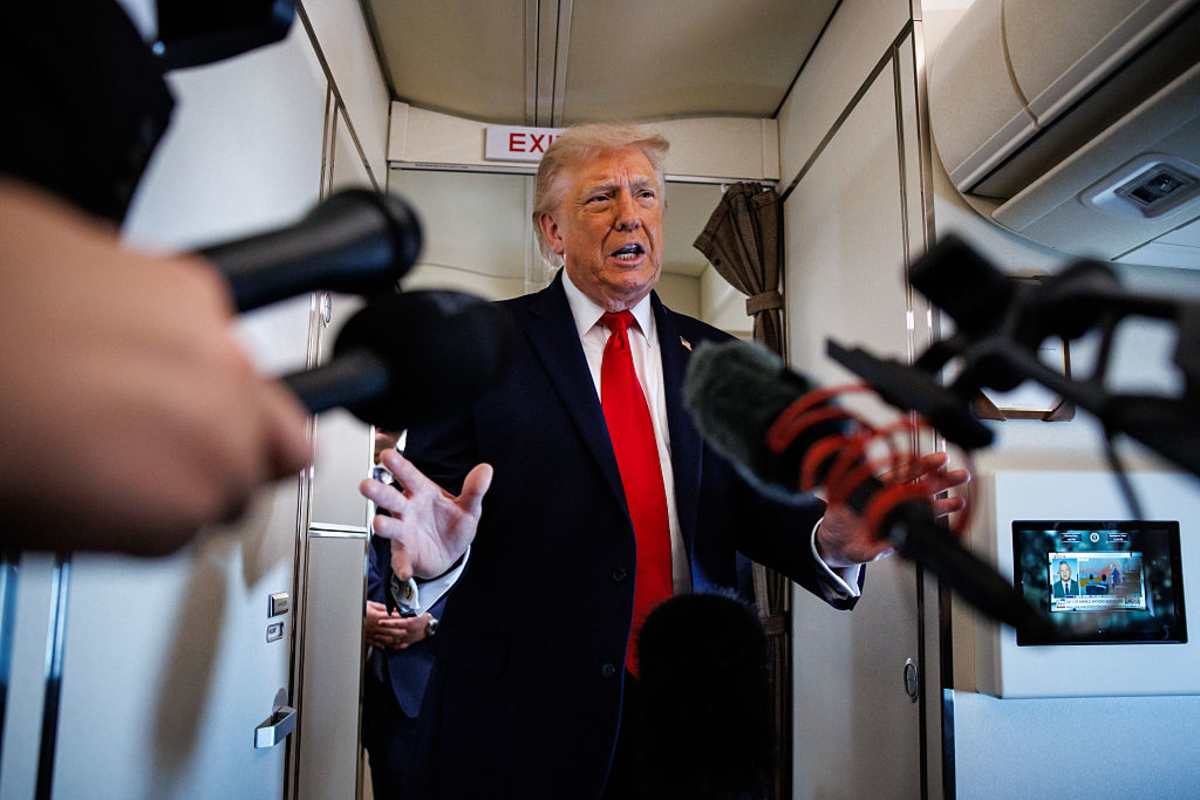
In fact, the 48-year-old's post comes days after Trump dedicated significant chunks of his speeches around Independence Day to stoking fears around the collectivist ideology. The 80-year-old president spoke at length about the threat of communism to the American way of life, first at Mount Rushmore on the eve of July 4. "Communism is a mortal threat to American liberty. It is the greatest threat to our country, including World War I, World War II, Pearl Harbor, or even 9/11," he asserted.
A lot of Democrats now admit they are socialists, but here is what many won't tell you (yet): their "goal is communism."
— Mike Johnson (@MikeJohnson) July 7, 2026
Their CRAZY agenda will lead to LESS prosperity, LESS freedoms, and BIGGER government.
2026 is a contrast for America between common sense and communism. https://t.co/GKMYP0pDjs
Trump, like Mace, did not name names explicitly but argued that Americans must choose between loyalty to Karl Marx and to their country. "You can be a communist, or you can be a patriot. You cannot be both," he said. Many observers have characterized this messaging as a well-timed ploy to test its resonance among voters ahead of the fall midterms, as polls show Republicans facing a deflated base.
Why is Trump talking about “communism”? Because fear mobilizes voters.
— Sofia B. Kinzinger (@sofiakinzinger) July 5, 2026
They need you to fear Democrats because they don’t have a hopeful vision to rally people around. He’s been in office for a while now, and he has failed to deliver hope.
Any administration confident in its…
Between June 23 and July 6, Trump invoked communism 81 times, according to Reuters, while his political team gauged whether the revival of the red scare works on people beyond his core supporters. So far, preliminary findings from his team's focus groups indicate the message strongly fires up Trump's base and may boost turnout among infrequent Republican voters. However, it appears less effective with independents and younger voters, the analysis added.
“The communist system is the opposite of the American system, and the communist system has never worked. Our warriors did not fight communism on battlefields across the world only to have that menace rear its ugly head right back here in America. We're not going to let it… pic.twitter.com/xMdWtxwjac
— House Republicans (@HouseGOP) July 11, 2026
Trump's most recent comments came during the NATO summit in Ankara, Turkey, where he declared himself to be "the greatest communist" in history. "Communism is easy to sell. I'd be right up there with (former Soviet leader Vladimir) Lenin," he told reporters, mocking proposals for free housing. "You've got free rent for the rest of your life...You've got the free house. Would anybody like to have a free house? We'll take it away from somebody and give it to you."
Trump: I would be the greatest communist in history. I'd be right up there with Lenin. You got free rent for the rest of your life. Would anybody like to have a free house? pic.twitter.com/sJZqxgwl65
— Acyn (@Acyn) July 8, 2026
But the President then warned that such policies would eventually lead to deteriorating living conditions and rising crime. "What they don't say is that you'll be living in squalor... You'll have murders all over the place," he asserted. This is not a new trend in American politics, with NPR noting that politicians have used the term to attack opponents for decades, dating back to the 1950s when anti-communism was a dominant view in America.