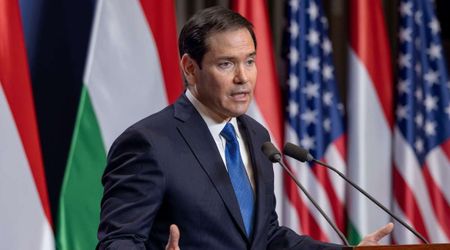
Mark Kelly blasts Pete Hegseth for scrapping mandatory flu vaccine policy for U.S. troops
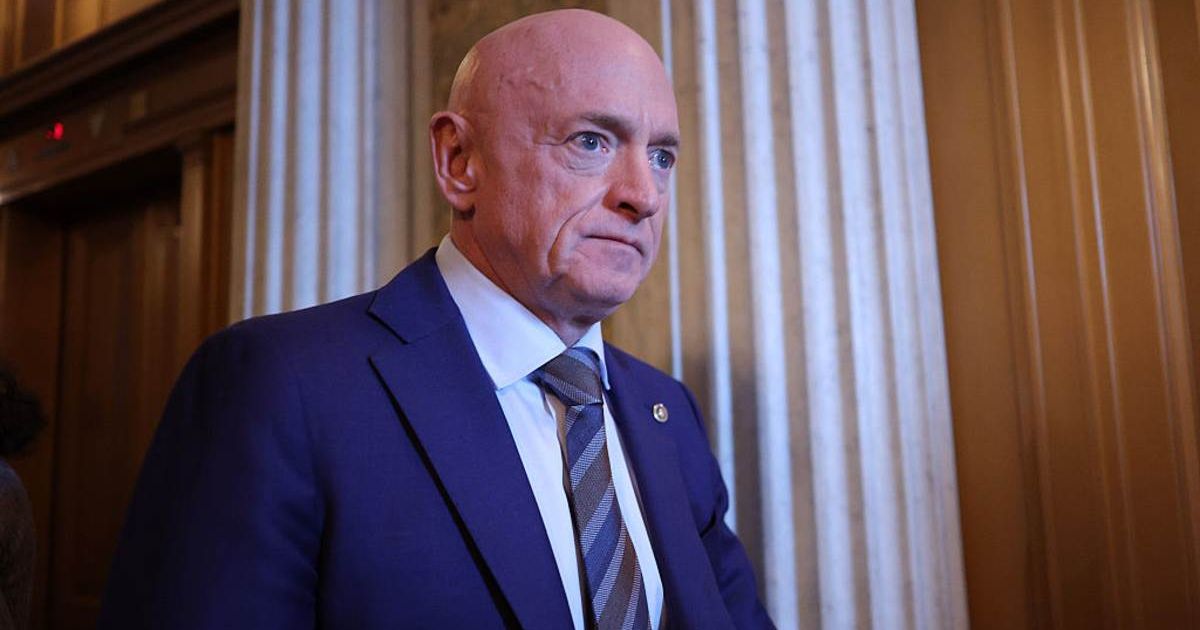
Secretary of War Pete Hegseth on Tuesday announced the Pentagon will no longer require members of the U.S. military to get the flu vaccine. Scraping the vaccination policy, Hegseth said the decision was based on principles of "medical autonomy" and religious freedom. However, the move drew widespread backlash with Democratic Senator and former Navy Captain, Kelly, questioning Hegseth's understanding of science and military readiness.
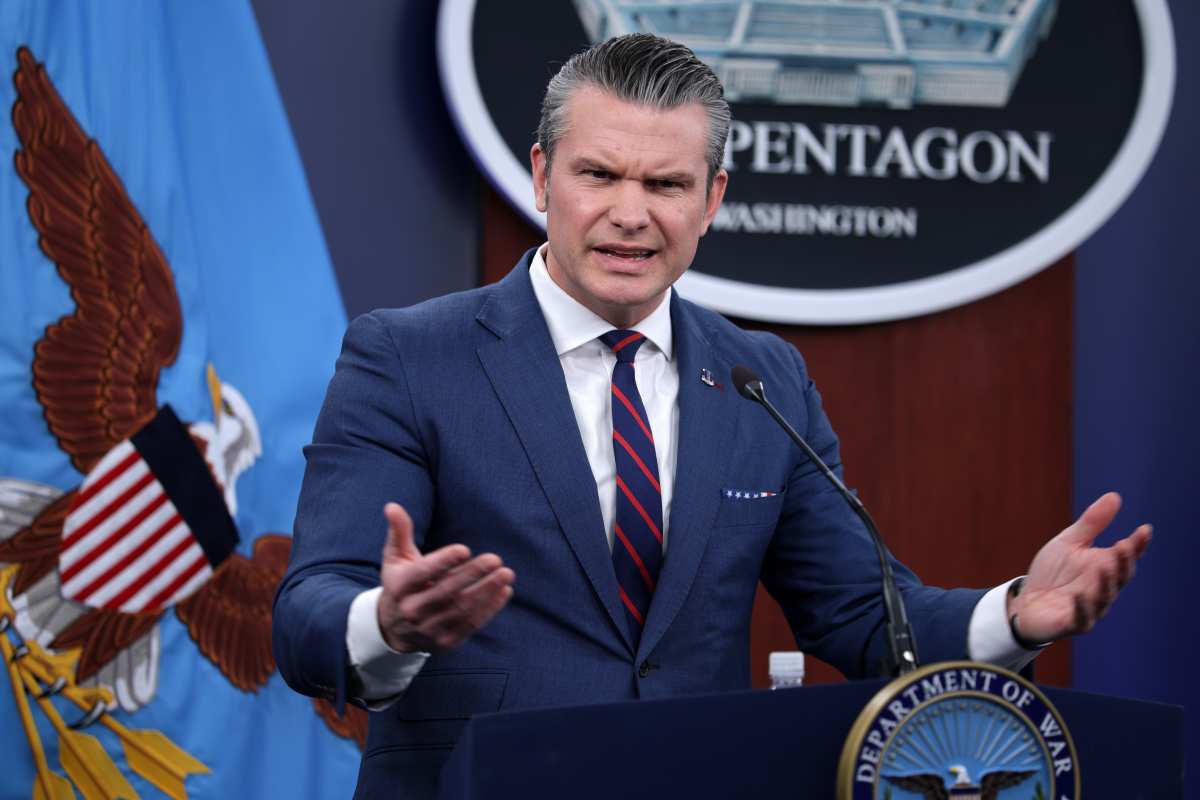
Confirming that annual influenza vaccines are no longer mandatory for U.S. troops, Hegseth said, "We're seizing this moment to discard any absurd, overreaching mandates that only weaken our warfighting capabilities. In this case, this includes the universal flu vaccine and the mandate behind it" in a video posted on X. The move scraps the public health requirement at a time when the Trump administration has broadly scaled back federal vaccination programs.
According to a Reuters report, there are about 1.3 million active-duty service members, and 750,000 additional members of the National Guard and Reserve, who will now have the option to not take the flu vaccine, which the World Health Organization recommends for everyone six months and older. The Arizona senator argued that the move undermines the country's military readiness, and Hegseth has no understanding of it. Noting that George Washington mandated the smallpox vaccine 250 years ago, he argued that the founding father had a better understanding of science than Hegseth.
George Washington believed that vaccinating his troops against smallpox was the key to winning the Revolutionary War and our independence. A founding father from 250 years ago had a better understanding of science and military readiness than Pete Hegseth. https://t.co/G1FDVzvtRd
— Senator Mark Kelly (@SenMarkKelly) April 21, 2026
Hegseth also mentioned the 2021 COVID-19 vaccine mandate under which former President Joe Biden ordered members of the U.S. armed forces to get vaccinated. The move led to the involuntary discharge of over 8,400 service members who refused to take the vaccine. Hegseth called it a "betrayal" of trust and claimed that such an event would never happen under President Donald Trump's administration. "The notion that a flu vaccine must be mandatory for every service member, everywhere, in every circumstance, at all times, is just overly broad and not rational," the secretary said. "Our new policy is simple: If you, an American warrior entrusted to defend this nation, believe that the flu vaccine is in your best interest, then you are free to take it; you should. But we will not force you," he added.
The War Department is once again restoring freedom to our Joint Force.
— Secretary of War Pete Hegseth (@SecWar) April 21, 2026
We are discarding the mandatory flu vaccine requirement, effective immediately. pic.twitter.com/9K5W8g0NsD
Hegseth said Influenza vaccines are examples of overreaching mandates, and the decision to make them optional is purely based on common sense for the War Department. "It's the kind of common-sense approach we are undertaking in this department," he said.
However, the announcement comes after a particularly severe flu season during which infections surged. Furthermore, according to official figures, during World War I, an estimated 45,000 U.S. soldiers died from influenza. Thus, Kelly, who previously came under fire from the Pentagon for releasing a "seditious" video urging U.S. service members to refuse unlawful orders during strikes of alleged drug trafficking boats, wasn't alone in pointing out the risk of the move. Congresswoman Dina Titus also argued that Hegseth was "weakening the military" and urged him to reverse the decision.