Keir Starmer to step down as U.K. prime minister amid Labour revolt
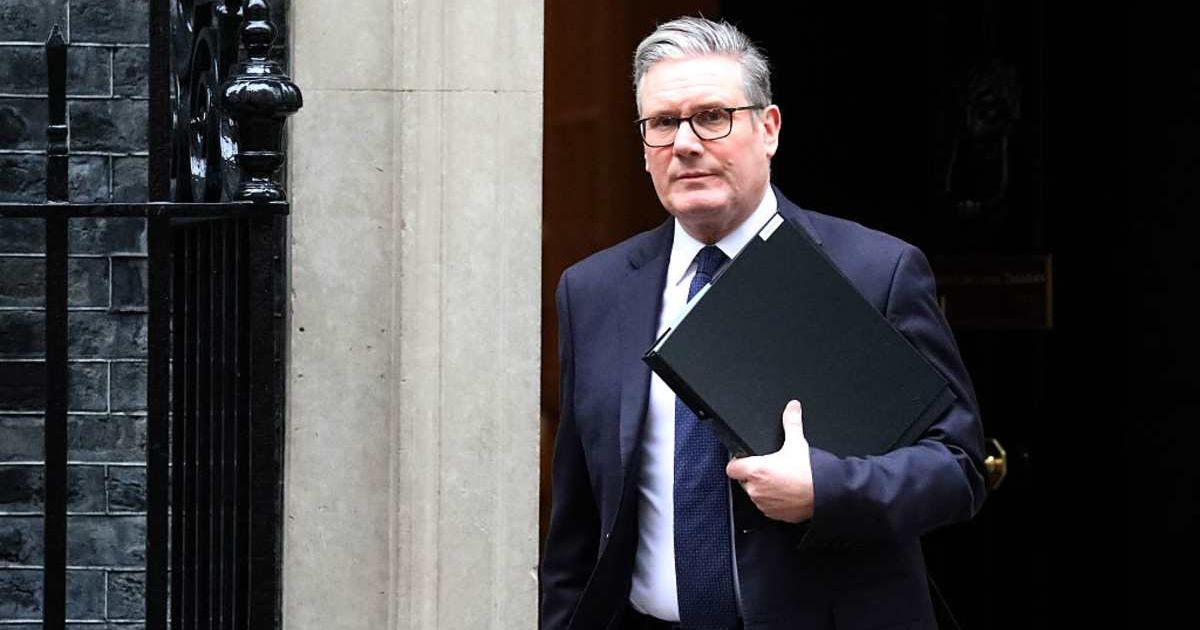
U.K. Prime Minister Keir Starmer on Monday announced that he will step down as the leader of the Labour Party and Prime Minister, after facing mounting pressure from his MPs and triggering a race to replace him. This comes after the prime minister faced mounting pressure from his MPs following a string of local election losses and a rebellion within the party over his leadership. Starmer announced that the next leader is expected to be picked by September, triggering an intense race, with Andy Burnham a frontrunner, according to the BBC.
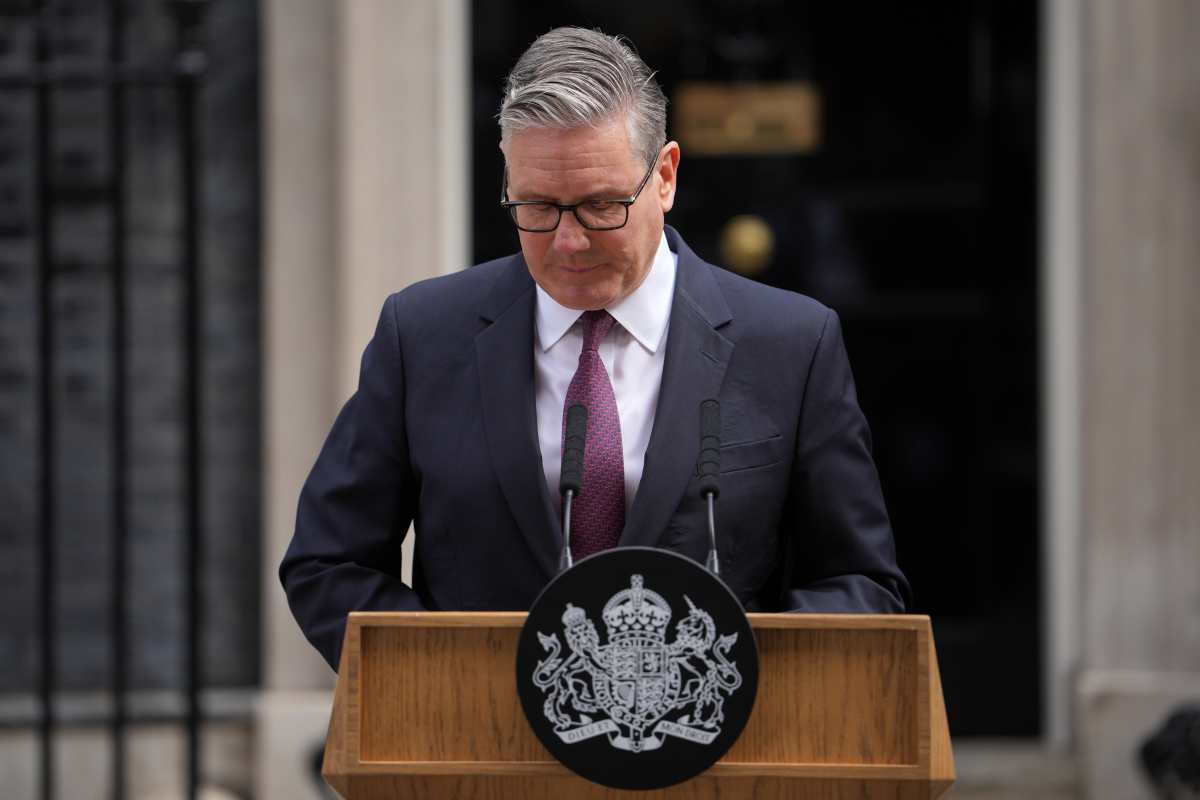
In a statement outside 10 Downing Street on Monday morning in London, Starmer announced his resignation as the party leader and prime minister, adding that he would remain in post until any leadership contest is completed. Starmer faced mounting pressure and an increasingly vocal rebellion from his own lawmakers over his leadership and policy agenda, less than two years after he led the party to one of its largest parliamentary majorities in the 2024 general election.
🚨 WATCH: Keir Starmer announces he's resigning Prime Minister
— Politics UK (@PolitlcsUK) June 22, 2026
"Every decision I have taken is about putting the country I love first. That is why I will resign" pic.twitter.com/x8p6B6WVWj
In his short speech, an emotional Starmer said that entering 10 Downing Street had been the "proudest moment of my life," adding that, under his tenure, the country's reputation in the world had been restored. However, he conceded that his colleagues have been asking whether he was best positioned to lead the party in the next general election, and that he has heard the answer of his party to that question. "I accept that answer with good grace. Every decision I have taken has been about putting the country I love first, that is why I will resign as leader of the Labour Party," he said.
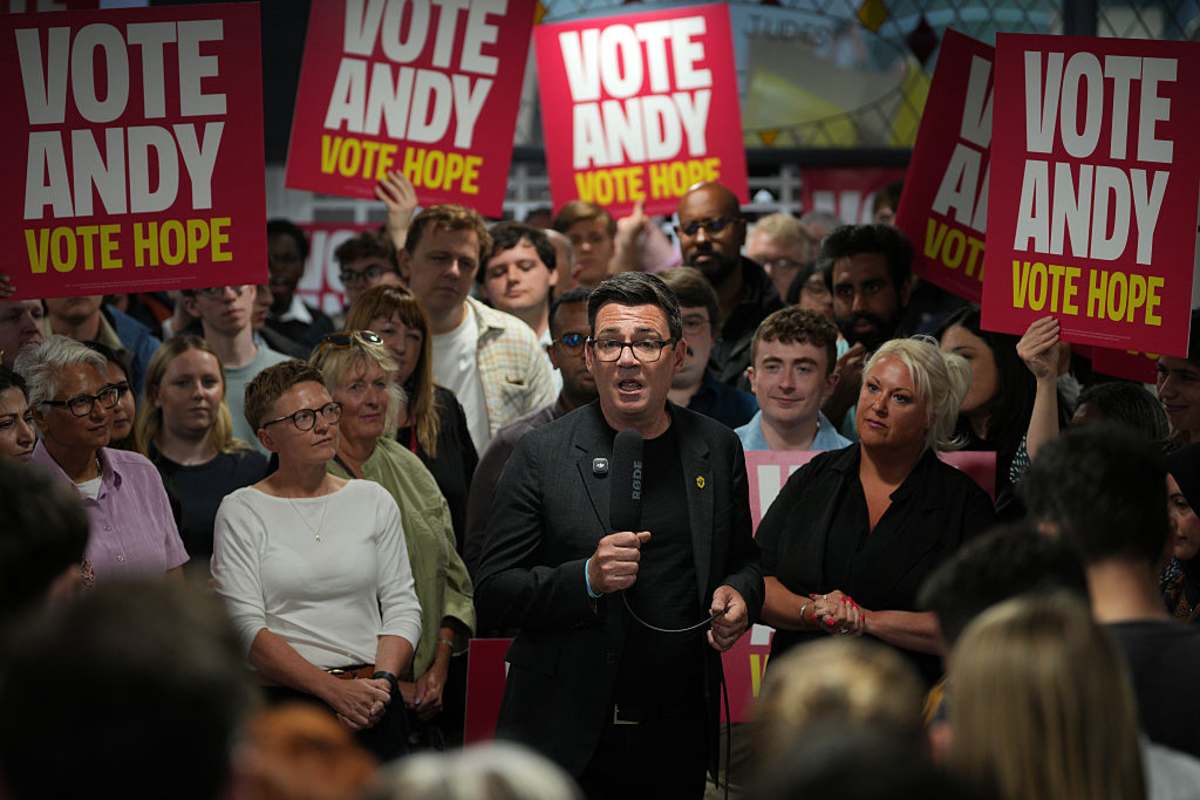
His decision will now start a race among Labour MPs to become the UK’s seventh prime minister in 10 years. Greater Manchester mayor Burnham is poised to challenge for the position as he made his return to parliament by winning a by-election in Makerfield, northwest England. The by-election is the equivalent of a U.S. special election, and it was reportedly triggered to pave Burnham’s path to Downing Street. Starmer insisted that he would push the Labour Party’s ruling national executive committee to set the timetable for a contest with nominations opening on July 9 and completed by summer recess just a week later. While he said he would remain in post until the parliament returns in September, if Burnham runs unchallenged, he could take over by July 16, as per The Guardian.
In the lead-up to the decision, Starmer and his Finance Minister Rachel Reeves faced discontent over fiscal policy and a poor set of election results in England, Wales, and Scotland in May. Furthermore, Starmer's decision to change direction on three major policies in a month added to the pressure, and the appointment of Peter Mandelson, an alleged associate of late sex offender Jeffrey Epstein, as U.S. ambassador, damaged relations within his party. Mandelson was sacked after information came to light about the depth of his relationship with Epstein.