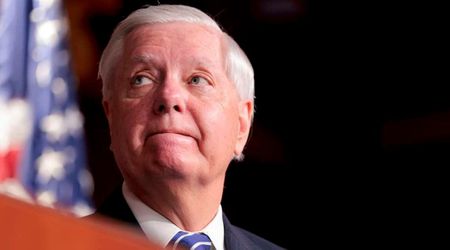
John Larson urges Social Security expansion as benefits face potential cuts

Social Security has run into a big financial problem that could slash more than one-fifth of Americans' retirement benefits in the coming years, and President Donald Trump's signature One Big Beautiful Bill Act hasn't helped. According to experts, the tax breaks have added to the funding problems of the programme, which hasn't been expanded in decades. In light of the situation, Rep. John Larson, a strong supporter of the programme, has proposed expanding Social Security benefits.

In a post on X, Larson claimed that Social Security is "the most successful anti-poverty program in our history," especially at a time when seniors are struggling with rising costs. "Protecting Social Security isn't enough. We need to enhance benefits by making the wealthy pay their fair share—not let Trump and his cronies chip away at it," he argued. In his video message, he further urged his Republican colleagues to join in on the efforts, claiming that it is "the best economic development plan that the United States could ever offer in an inflationary period that has both global impact and impact here at home."
Social Security is the most successful anti-poverty program in our history.
— Rep. John Larson (@RepJohnLarson) June 22, 2026
As seniors struggle with rising costs, protecting Social Security isn't enough. We need to enhance benefits by making the wealthy pay their fair share—not let Trump and his cronies chip away at it. pic.twitter.com/nVkSuTU0en
President Trump, in his election campaign, promised not to make any cuts to Social Security and vowed to make the benefits tax-free. While his signature bill did not make the benefits tax-free, one major change introduced the $6,000 senior tax deduction that became available to Americans aged 65 and over. While the new deduction allowed seniors to exempt a large chunk of their income from taxes through 2028, it impacted the revenue for Social Security as it relies on taxed benefits. While the program's main funding source is payroll taxes, taxes on benefits represent a small part of its overall revenue.
The move came at a time when the Trustees confirmed that Social Security's Old-Age and Survivors Insurance Trust Fund is expected to run out of money by 2032. Without intervention from Congress, once the fund runs out, only 78% of scheduled benefits will be payable to the seniors. At that point, roughly 70 million of the program's beneficiaries would see a 22% cut to their monthly Social Security checks, which would translate into a reduction of about $500 per month, according to CBS.
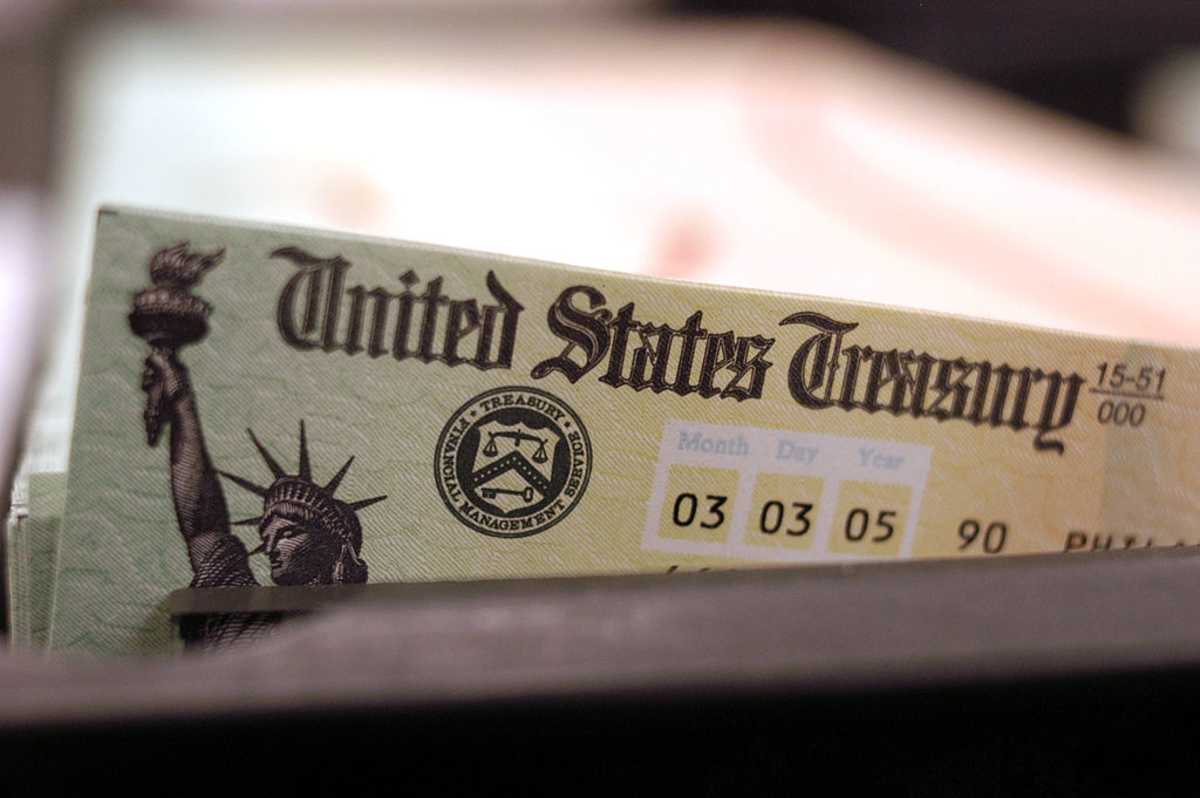
Furthermore, in the last few decades, the revenue of the programme has been eroding as incomes of higher-paid Americans have soared, far outpacing those of low- and middle-class workers. That's an issue as the program only taxes annual earnings up to $184,500, which means it loses out on much of the faster income growth among top earners, per CBS. The total share of wages subject to Social Security has fallen from 87% in 1984 to roughly 83% today, according to a January report from the Roosevelt Institute. Thus, one of the measures to shore up the funds is to raise the tax cap, which has been in place since the programme started in the 1930s.