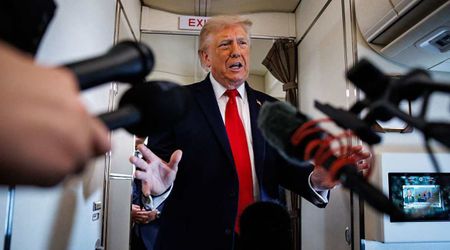
Hegseth says Cuba a 'national security threat' amid Trump's hint at potential talks
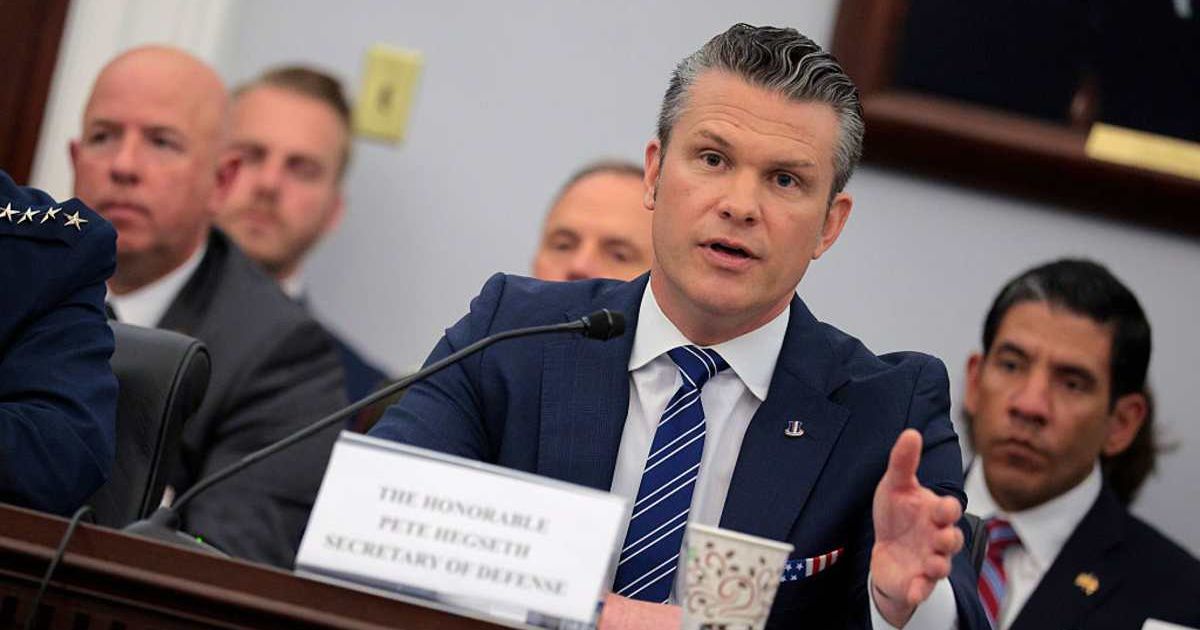
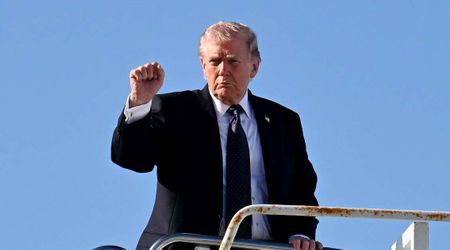
Defense Secretary Pete Hegseth designated Cuba as a national security threat to the United States in response to questions from Rep. Mario Díaz-Balart (R-FL) during a congressional hearing on Tuesday. This comes at a time when President Donald Trump claimed that he would be talking to Cuba after they asked for help. "No Republican has ever spoken to me about Cuba, which is a failed country and only heading in one direction - down!" he wrote on Truth Social.
Hegseth did not go into details at the hearing, but he responded in the affirmative when Diaz-Balart asked about the use of Cuban ports by Russian spy ships and warships. He also added that he was unaware of Cubans fighting for Russia in Ukraine. "We've long been concerned that a foreign adversary using a location that close to our shores is highly problematic," he said when asked about the site of the Russian SIGINT complex in Lourdes becoming a hub for Russian intelligence within Cuba
The truth is finally being told.
— Rep. María Elvira Salazar (@RepMariaSalazar) May 12, 2026
Today, we heard it directly from the Secretary of War, Cuba is a clear and present threat to the United States.
The regime is not just a neighbor, it is a strategic base for China and Russia and a refuge for terrorist organizations, all sitting… https://t.co/PmAX4tDnKj
The administration's hawkish stance, coupled with Trump's post about dialogue, suggests a "carrot-and-stick" approach in which Hegseth and Secretary of State Marco Rubio apply pressure and hint at a military threat, and Trump forges a diplomatic resolution. The rhetoric may also allow the administration to gain an upper hand in the coming talks. There is no official announcement yet.
Cuba has a healthcare system so advanced that American patients have traveled there to access treatments they couldn't get or afford at home.
— Pramila Jayapal (@PramilaJayapal) April 24, 2026
Our government's illegal embargo blocks that access.
So Americans keep paying more, getting less, and going bankrupt while Washington… pic.twitter.com/3MROyGh1AF
Cuba has long been touted as the "deadliest threat" to the U.S. for the past six decades. There are conflicting reports of a possible military operation in Cuba. On the one hand, the escalating rhetoric of sanctions suggests that an invasion might be on the cards as part of the Donroe Doctrine, Axios reported. On the other hand, the administration is not looking at any imminent military action, according to the Associated Press.
The United States has imposed a comprehensive blockade and illegal sanctions on Cuba for more than 60 years, causing profound suffering to the Cuban people. These sanctions should be lifted immediately, rather than intensified. China firmly supports Cuba in safeguarding its…
— Hu Zhaoming 中联部发言人胡兆明 (@SpokespersonHZM) May 12, 2026
The administration's recent sanctions target a business conglomerate, Grupo de Administración Empresarial S.A., operated by the Cuban Revolutionary Armed Forces. Furthermore, they cover Moa Nickel, a Cuban joint venture with Canada's Sherritt International, which immediately announced it would withdraw from the business. The sanctions may translate into an asset freeze and impede travel to the US.
Somebody should ask the #US Secretary of State about the fable of the alleged offer of 100 million dollars in humanitarian assistance to #Cuba which no one knows about.
— Bruno Rodríguez P (@BrunoRguezP) May 12, 2026
It would be good to know who in particular would contribute the money, if this would be delivered in cash to… pic.twitter.com/JShBHnmsMS
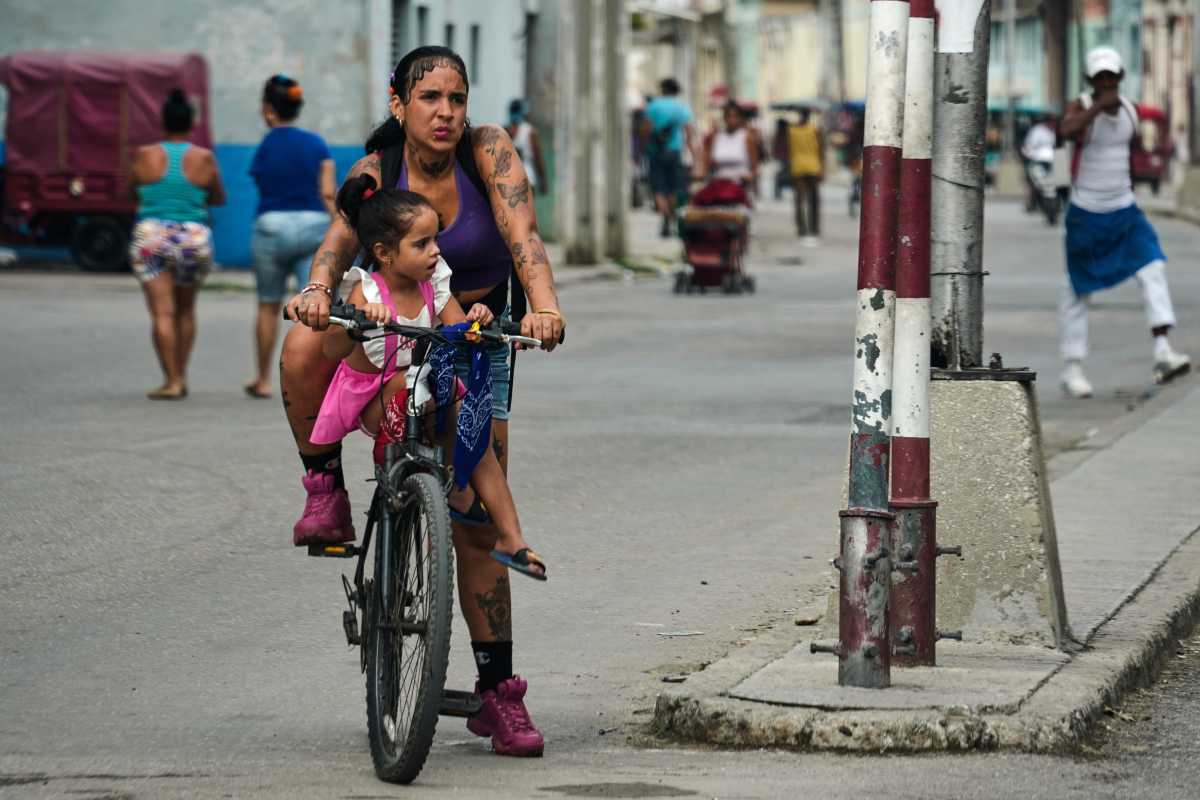
Cuba's foreign minister, Bruno Rodrigues, slammed the announcement, terming the "US aggression against Cuba as a collective punishment of a genocidal nature that condemns the entire country and uses it as a hostage for the purpose of dominating it." Cuba is also reeling from a virtual energy blockade as Trump has blocked fuel supplies to the island, which is dependent on imported oil, mostly from Venezuela and Mexico.