From sanctions to nuclear deals, how past U.S. presidents approached Iran before Trump
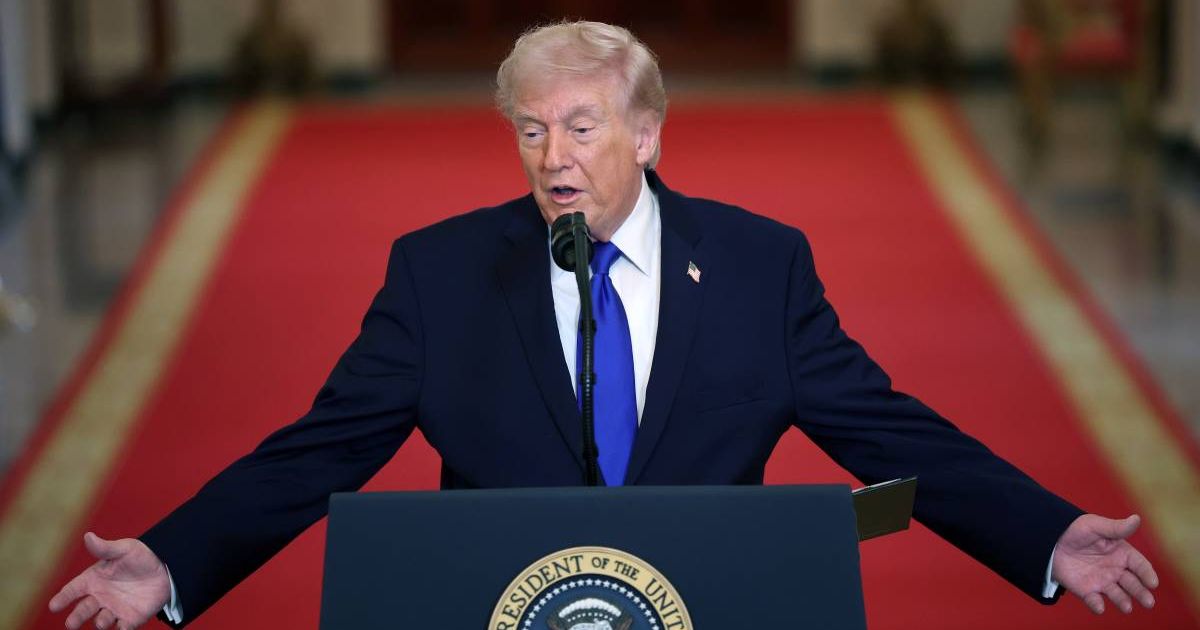
President Donald Trump on Monday claimed that he spoke to a former U.S. President who approved his decision to launch a military operation against Iran. "I spoke to one of the former presidents, who I actually like...And he said, 'I wish I did what you did.'," Trump told reporters. When asked which President, Trump refused to take any names. "I don't want to say. That person said, 'I wish I did it.' Okay, but I don't want to get into who. I don't want to get him into trouble. Maybe, hey, you know what? I think you probably know," he said. When a reporter named all four former living Presidents asking if it was any one of them, Trump said, "I don't want to say because a member of a party, a member of a party, they have Trump derangement syndrome, but it's somebody that happens to like me, and I like that person, who's a smart person, but that person said, 'I wish I did it.' OK, but I don't want to get into who. I don't want to get him into trouble."
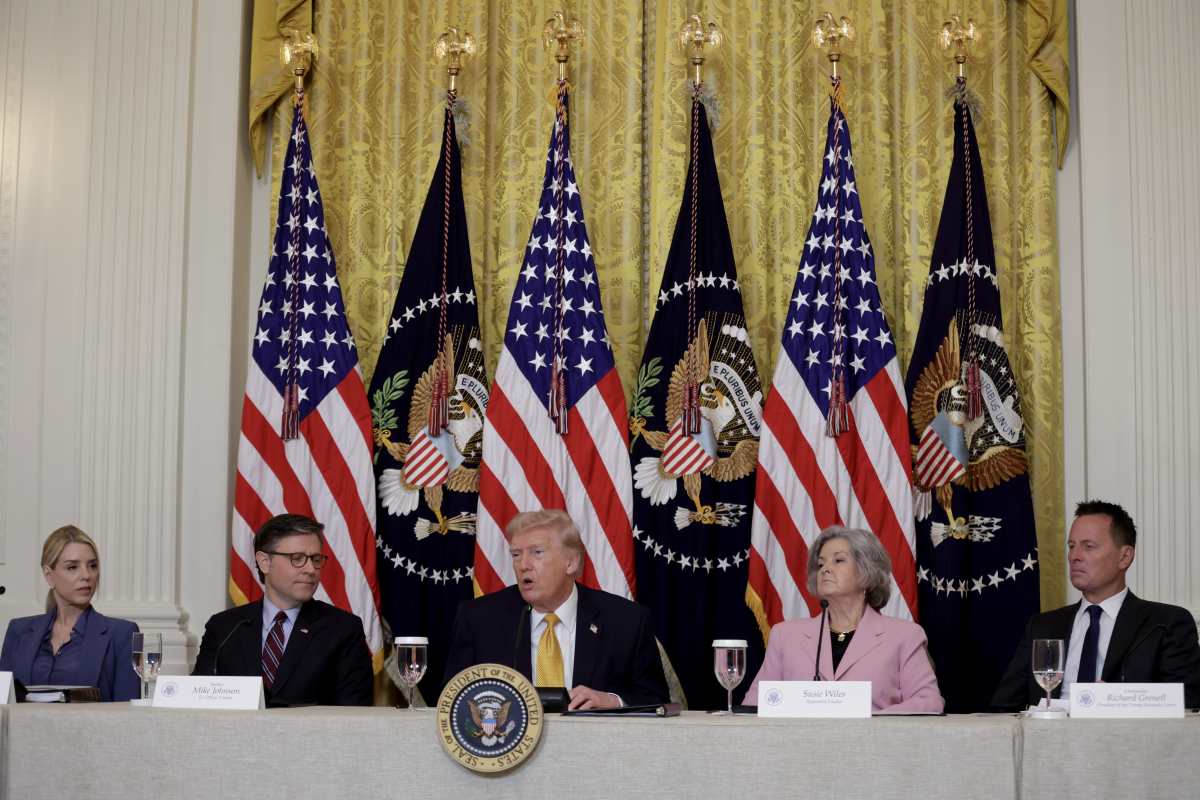
All four former presidents have, however, denied ever having any such conversation with President Trump. NBC News reported that George W. Bush hasn't been in touch with the President, quoting an aide of the former President, while Bill Clinton told the publication that whoever Trump was referring to was not Clinton. Similar denials were received by both Barack Obama and Joe Biden. Historically, U.S. policy toward Iran has been defined by a "carrot and stick" approach that escalated under President Donald Trump's second term with the launch of Operation Epic Fury. Since the 1979 U.S. Embassy takeover, Iran has been viewed as a hostile regime, and its patronage of terror organisations like Lebanon's Hezbollah has only decreased the possibility of diplomatic ties with Tehran. Here's a look at the policies Trump's predecessors employed to engage with Iran and neutralize any threats it posed.
Bill Clinton
During his first term, Clinton employed a "dual containment" policy to keep both Iran and Iraq in check. His administration largely tried to build on existing policies, including previous sanctions on Tehran. A key legislation passed during Clinton's presidency was the Iran-Libya Sanctions Act (ILSA) of 1996, later renamed the Iran Sanctions Act (ISA), targeting a section of investments and businesses in Iran. ISA was last extended for 10 years in 2016.
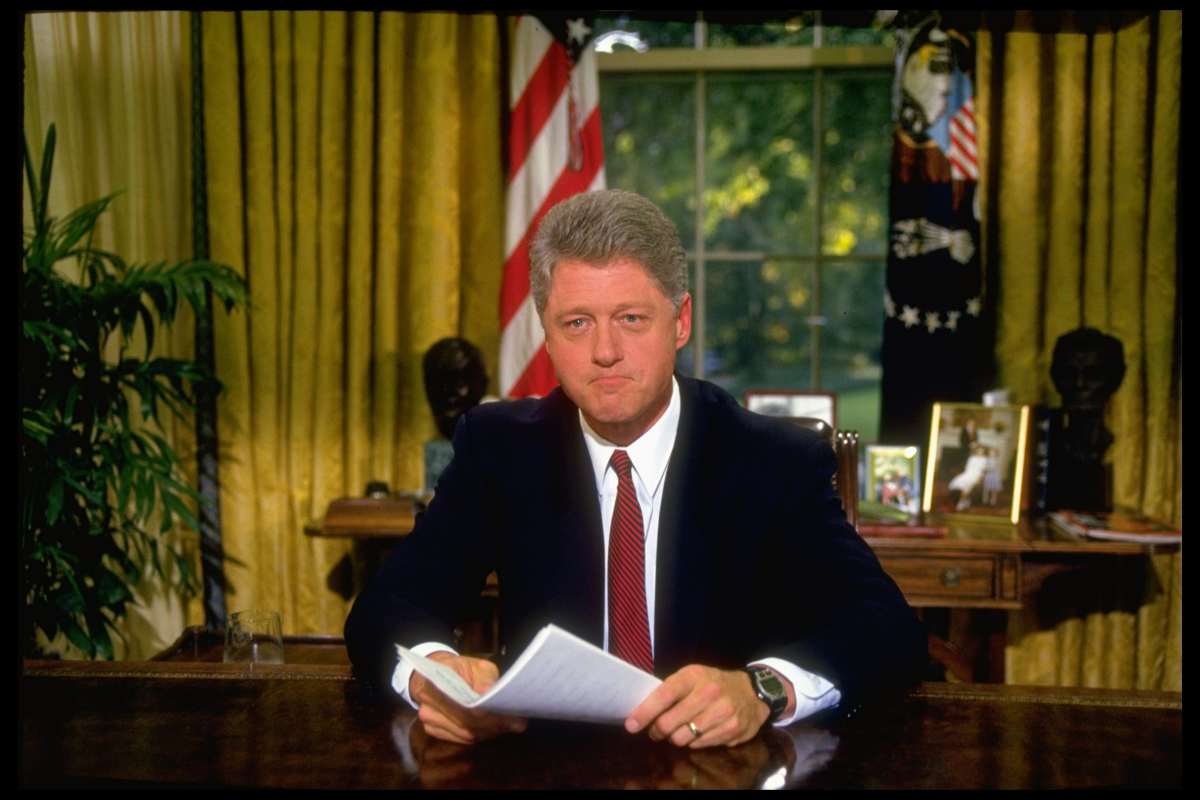
Under Clinton's presidency, U.S-Iran relations reached a boiling point with the 1996 Khobar Towers bombing in Saudi Arabia, which killed 19 U.S. officials. The attack was linked to the Iranian-backed militant group, Hezbollah al Hijaz. While the Clinton administration considered military retaliation against Iran, it later decided to avoid a large-scale conflict in the Middle East. Clinton, however, increased American installations on the ground, including deploying U.S. warplanes to Saudi Arabia. By the end of his second term, Clinton attempted a cautious "thaw" in relations with moderate President Mohammad Khatami, who won Iran's 1997 presidential elections. Khatami replaced Ali Akbar Hashemi-Rafsanjani and engaged in several dialogues with the Clinton administration, none of which led to a concrete diplomatic solution.
George W. Bush
George W. Bush's tenure has been described in the Obama White House archives as one of the most challenging periods in the aftermath of the 9/11 attacks. After a brief window of cooperation with Iran regarding the Taliban, Bush labelled Iran, along with Iraq and North Korea, as an "axis of evil" in his 2002 State of the Union address. A few months prior, in a September address to Congress, he had indicated a stronger military police in the Middle East, saying, "We will pursue nations that provide aid or safe haven to terrorism. Every nation in every region now has a decision to make: either you are with us, or you are with the terrorists. From this day forward, any nation that continues to harbor or support terrorism will be regarded by the United States as a hostile regime."
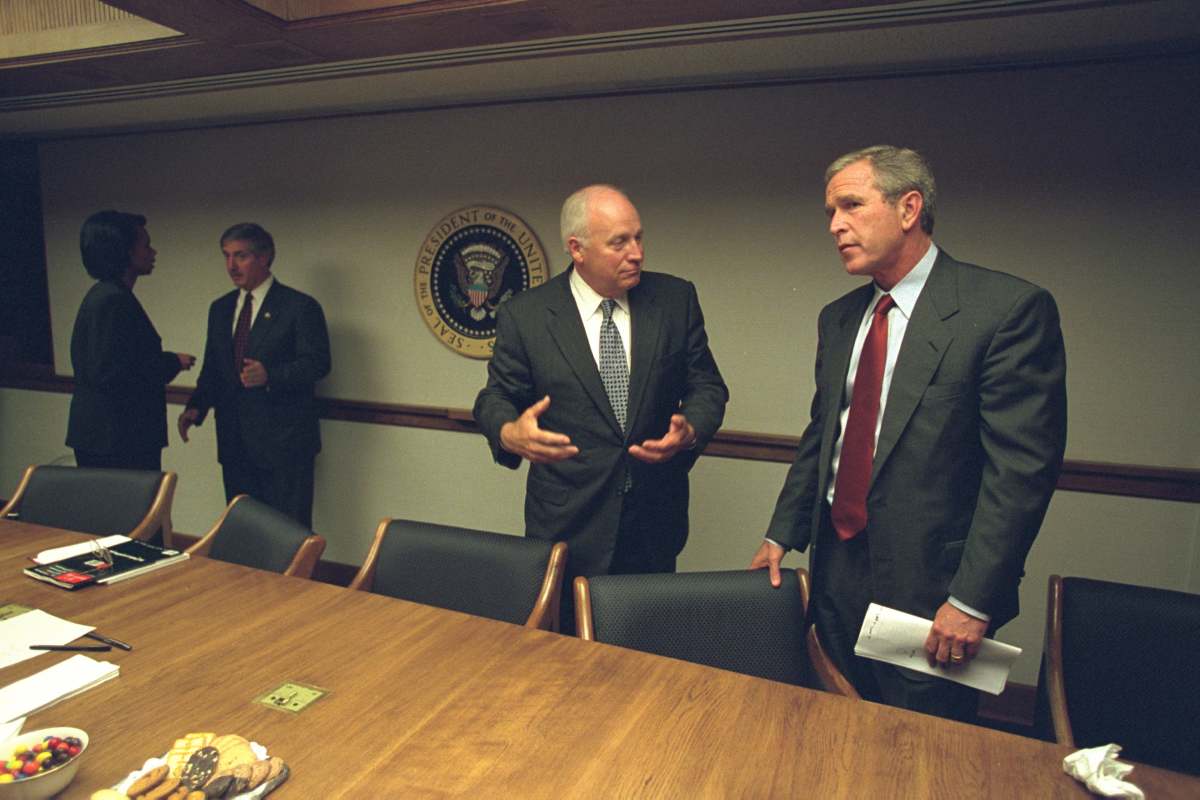
The Authorization for Use of Military Force Against Iraq Resolution was passed by Congress in 2002, and the Bush Doctrine came into effect. However, in 2003, the Bush administration had a window to negotiate the terms of ending hostilities with Iran. After having briefly cooperated with Khatami's government to fight the Taliban in Afghanistan, Tehran had offered to further negotiations. Bush turned it down and instead pursued a policy of military and economic pressure, leading to prolonged conflict in the Middle East.
Barack Obama
Under the Obama administration, the Joint Comprehensive Plan of Action (JCPOA), also known as the Iran Nuclear Deal, came into effect. The plan, signed between Iran, the U.S., China, France, Russia, the United Kingdom, Germany, and the European Union, aimed to restrict Iran's nuclear program in exchange for sanctions relief. President Trump, during his first term, unilaterally withdrew from the deal, and later, in his second term, called it a "horrible, horrible, dangerous document."
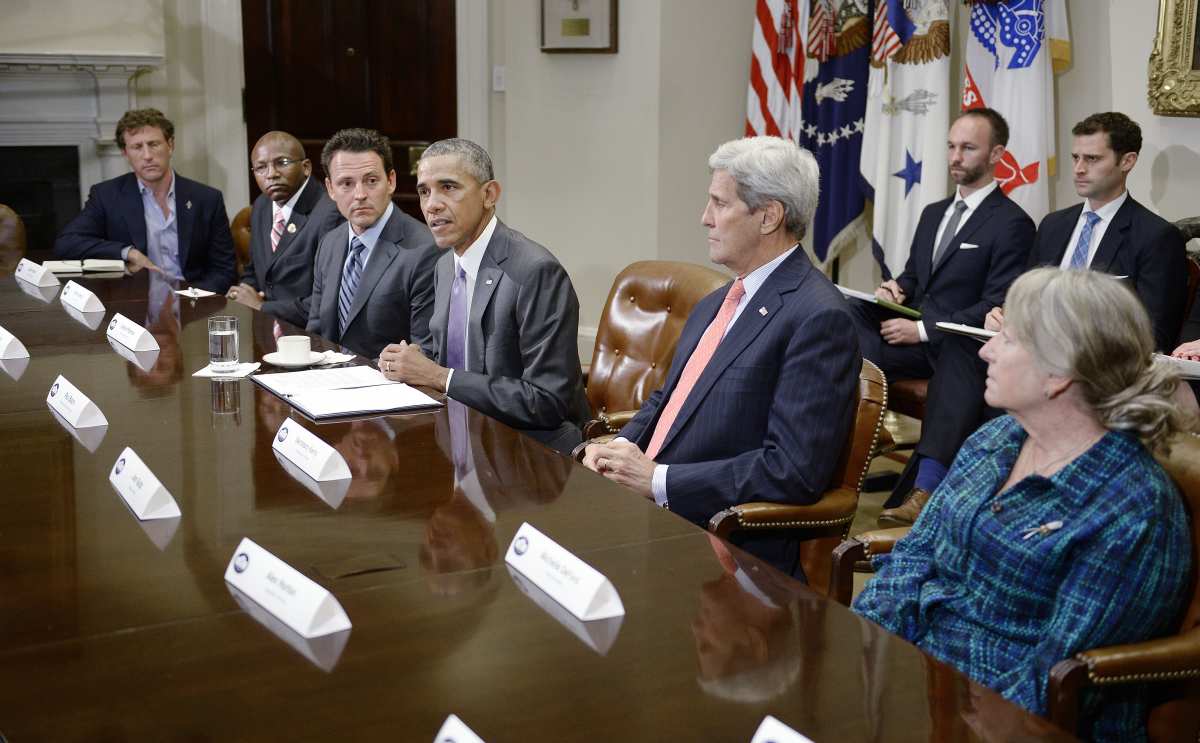
Obama's tenure as President also saw several tense periods between Tehran and Washington, including an Iranian threat to block the Strait of Hormuz in 2011 after it was slapped with new sanctions that limited its oil exports. During this period, Iranian officials warned U.S. warships, such as the aircraft carrier USS John C. Stennis, not to return to the Persian Gulf. The Navy, however, with the support of allies, maintained its presence, and tensions over the Strait gradually eased, culminating in the Iran Nuclear Deal.
Joe Biden
After his predecessor, Donald Trump, withdrew from the JCPOA in 2018, Joe Biden took office with a promise to bring Iran back to the negotiating table. However, his administration failed to limit Iran's economy or military ambitions. With hardliner Ebrahim Raisi as Iran's President, Biden struggled to reach a deal and instead chose to attack Tehran with more sanctions.
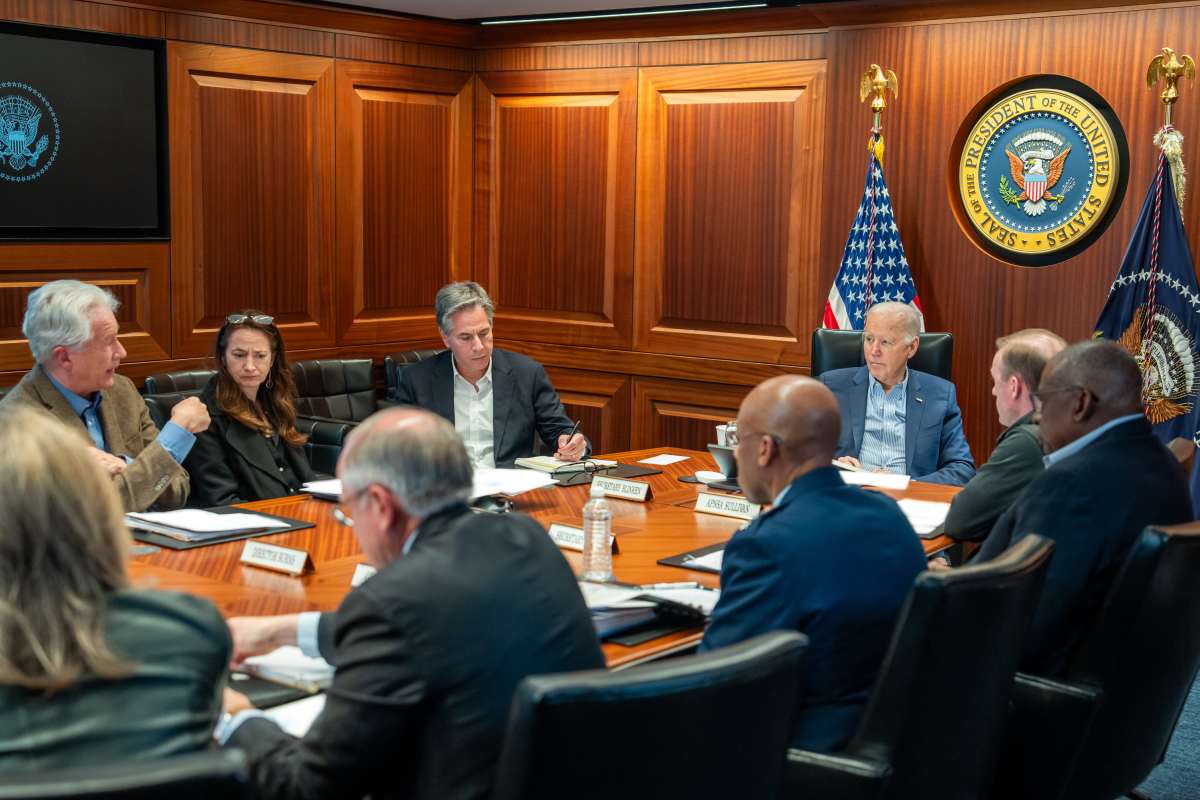
But despite imposing over 600 sanctions on individuals and entities tied to Iran's human rights violations, military programs, and proxies such as Hamas, Hezbollah, and the Houthis, Iran's oil export revenue saw an over $40 billion increase in the first three years of Biden's presidency, compared to the last two years of Trump's first term. The most serious military escalations during Biden's term came in 2024 when he authorized military strikes against Iranian-backed militias in Iraq and Syria following the death of three U.S. troops in a drone attack in northeast Jordan, near the Syria border. However, the Biden administration did not follow it with further military action against Tehran.