Everything you need to know about Operation Epic Fury and the new Middle East crisis
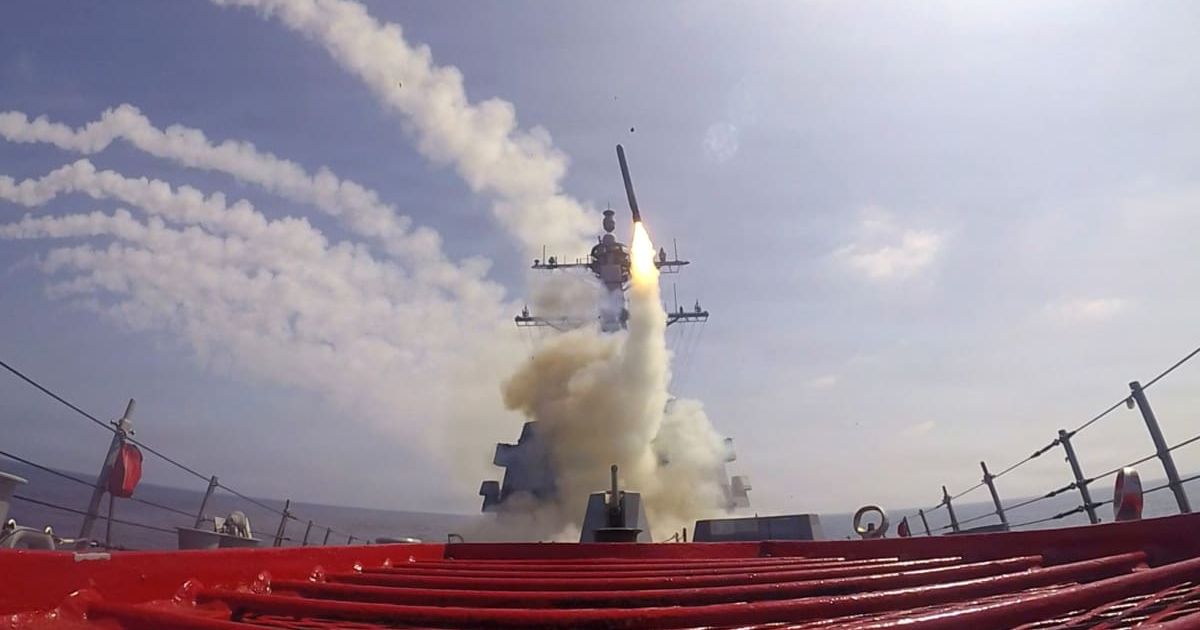
From Dubai to Doha, the entire Middle East is currently gripped by a scary uncertainty, as even the most safest of cities sit under the shadow of persistent missile threats. Attacks on civilian infrastructure and global landmarks have turned the Gulf into a front line, leaving residents to count the cost of a war that has arrived at their doorsteps after the U.S.A and launched a pre-emptive attack on Iran on February 28, dubbed 'Operation Epic Fury'.
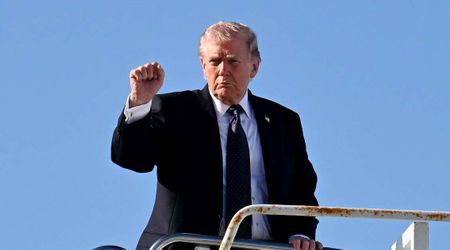
In what is rapidly becoming the most significant military escalation in the Middle East since the turn of the century, President Donald Trump has asserted his resolve to "continue at full force until all of our objectives are achieved," declaring that the United States will no longer tolerate the "imminent threats" posed by the Iranian regime. President Trump's decision, coming without Congressional approval, has led to a divide in American society; even a section of Republicans is questioning why the President is going back on his "America First" promise. The answer is layered in a complex recalculation of global geopolitics, so let's break it down.
The strategy behind Operation Epic Fury
The scope of Operation Epic Fury is vast, targeting hardened military installations and missile production sites, as well as the deep-underground remnants of Iran's nuclear program at Fordow, Natanz, and Isfahan—sites that were witness to a previous U.S. attack, which President Trump had claimed had "obliterated" Iran's nuclear program. A senior administration official, speaking on the condition of anonymity, was quoted by the Times of Israel as saying that the decision to pull the trigger was driven by a "short-term concern" that Iran was preparing its own strike.
Operation Epic Fury is a war of choice without congressional authorization. Given his lies to the Iranian protestors about help on the way, his weakness in Ukraine, and his blood-for-oil scheme in Venezuela, this president has no credibility on either the strategy or law guiding…
— Rep. Jake Auchincloss 🟧 (@RepAuchincloss) February 28, 2026
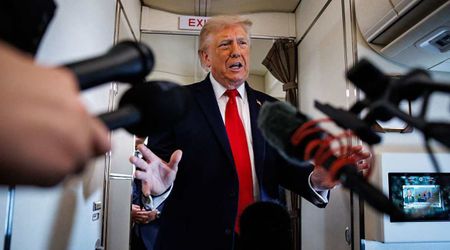
"We had indicators that they intended to use it potentially, preemptively... if not simultaneous [to] any actions against them," the official said. Defending his move, Trump indicated that the world was running out of time. "They attempted to rebuild their nuclear program and to continue developing long-range missiles that can now threaten our very good friends and allies in Europe... and reach the American homeland," he said. "We're going to destroy their missiles and raze their missile industry to the ground."
A regime without a leader
The most staggering development of the campaign came with the confirmed death of Iran's Supreme Leader, Ayatollah Ali Khamenei. In a flurry of posts on Truth Social, Trump described Khamenei as "one of the most evil people in history," declaring his death a long-awaited "Justice for the people of Iran."
Later, in an interview with NBC News, Trump appeared confident that the era of the Ayatollah was over. "We feel that that is a correct story," Trump remarked. He suggested the strikes had gutted the regime's brain trust, claiming, "The people that make all the decisions, most of them are gone."
Global Shockwaves and the UN Response
As the smoke cleared over Tehran, the UN Security Council met in a tense emergency session. UN Secretary-General António Guterres warned ambassadors that the world was watching a potential catastrophe. The action risks "igniting a chain of events that nobody can control in the most volatile region in the world," Guterres said.
I condemn today’s military escalation in the Middle East. The use of force by the United States & Israel against Iran, and the subsequent retaliation by Iran across the region, undermine international peace & security.
— António Guterres (@antonioguterres) February 28, 2026
All Member States must respect their obligations under… pic.twitter.com/TZKS4GuNnZ
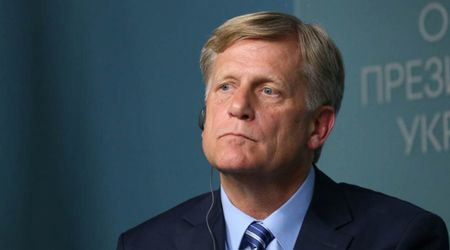
U.S. Ambassador Mike Waltz, however, argued that the mission carried a heavy "moral clarity" that overshadowed diplomatic formalities. "Iran cannot have a nuclear weapon," Waltz told the council. "That principle is not a matter of politics. It's a matter of global security. And to that end, the United States is taking lawful actions."
Everything must be done to prevent a further escalation in the Middle East.
— António Guterres (@antonioguterres) February 28, 2026
I call on all sides to strictly uphold their obligations under international law, including the @UN Charter, protect civilians & ensure nuclear safety.
Let’s act responsibly & together to pull the… pic.twitter.com/FGkAZ2rt6j
Predictably, the room was divided. Russia's envoy blasted the strikes as a "deliberate, premeditated, and unprovoked act of armed aggression," while Iran's Ambassador Amir Saeid Iravani accused the U.S. and Israel of committing "war crimes and a crime against humanity."
What Comes Next?
As Operation Epic Fury enters its third day, the reality of war is setting in. The Pentagon has confirmed the first American combat deaths of the campaign. "Three U.S. service members have been killed in action," U.S. Central Command reported on March 1, following retaliatory missile strikes against bases in Kuwait.
Despite the casualties and the international outcry, Trump predicted a swift conclusion. He said the entire operation could "take four weeks or less" and claimed that a "temporary leadership council" in Tehran might be more open to a deal now that the old guard has been removed. "The hour for your freedom is at hand," Trump said in a final message directed at the Iranian public. "When we’re finished, take over your government. It will be yours to take."