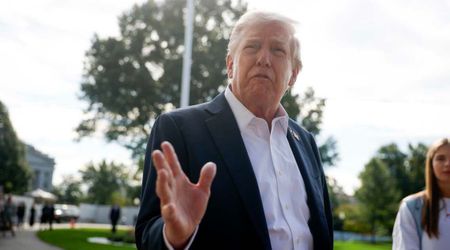
Court temporarily blocks Trump administration from attaching ideological conditions to snap funding
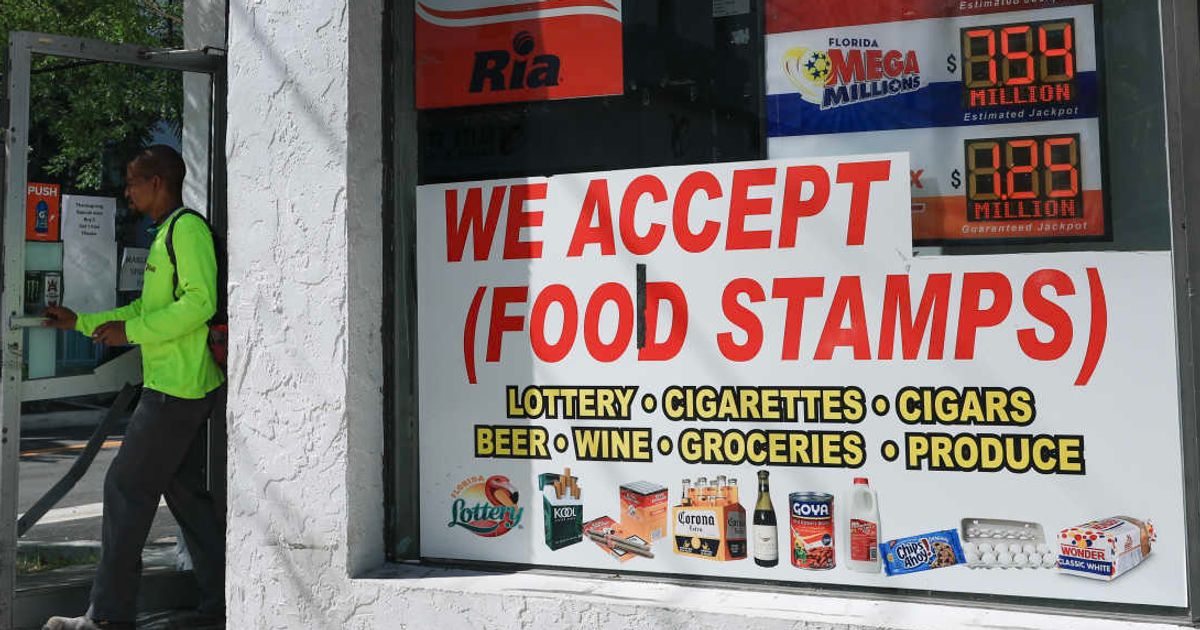
A federal judge has temporarily blocked the Trump administration's bid to impose ideological conditions on billions of dollars in Supplemental Nutrition Assistance Program (SNAP) funding, siding with over 20 Democratic-led states that challenged the move in court. The preliminary injunction pauses restrictions tied to gender, immigration, and women's sports, the Associated Press reported.
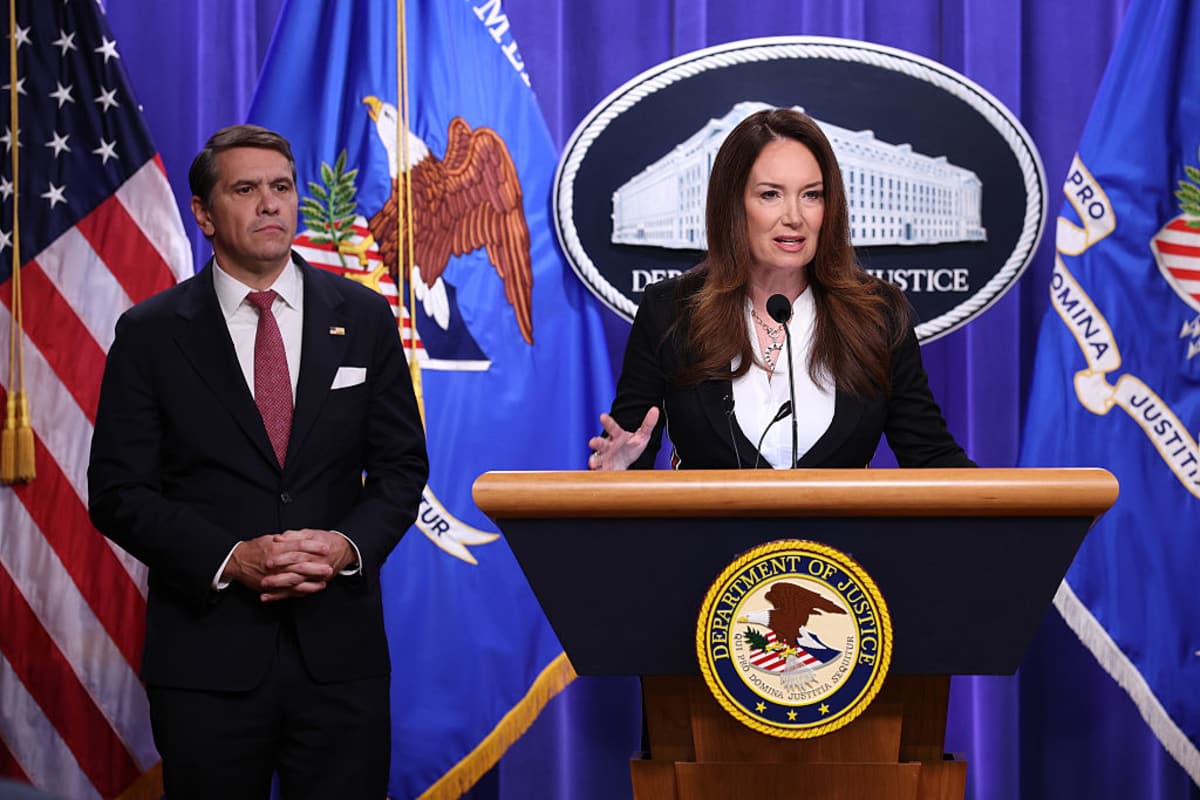
U.S. District Judge Myong Joun said he will set out his full reasoning in a memorandum at a later date. A total of 21 states — including California, Massachusetts, Illinois, Colorado, and Delaware — along with the District of Columbia, filed the lawsuit against the Department of Agriculture (USDA) in March. "The federal government cannot hold critical funding hostage to force states to comply with vague, ideological directives," New York Attorney General Letitia James said at the time.
We won a court order protecting billions of dollars in @USDA funding as our lawsuit continues.
— NY AG James (@NewYorkStateAG) June 5, 2026
My office will keep fighting to protect New Yorkers and stop the federal government from punishing our state for refusing to bend. https://t.co/bNqhreP0Du
Critics argued the administration's move could have had devastating consequences for the millions who depend on SNAP to put food on the table. The injunction shields their benefits from being threatened or delayed for now. The states also warned of a broader danger: that allowing federal funding to be dangled as leverage for ideological compliance would hand any administration near-unlimited power to coerce states by threatening to starve programmes of money.
NEW: When Trump tried to gut billions in USDA funding for states refusing to comply with his anti-immigrant agenda, we sued. The court just ruled in our favor, blocking his cuts while our case continues. These grants are a lifeline - I'll always fight to protect food assistance for families.
— AG Andrea Joy Campbell (@massago.bsky.social) 6 June 2026 at 02:28
The suit contended that the USDA exceeded its legal authority in drawing up the 2026 conditions, failed to provide a reasoned explanation, and imposed them without following proper legal procedure. It flagged the conditions as vague and unrelated to nutrition policy, targeting issues of immigration, gender ideology, transgender athletes, and diversity, equity, and inclusion (DEI). It added the conditions failed to clearly define which conduct is prohibited, leaving states to guess how to comply while facing the threat of severe financial penalties.
BREAKING NEWS: We just got a court order protecting USDA funding for programs like school lunches, emergency food assistance, WIC, SNAP, and more.
— Oregon Attorney General Dan Rayfield (@agdanrayfield.bsky.social) 6 June 2026 at 05:15
[image or embed]
California Attorney General Rob Bonta welcomed the decision and vowed to continue the state's fight against the federal government's "hateful, discriminatory agenda." James echoed her colleague, adding that "the administration will have to accept that it cannot use federal funding as a weapon to coerce states into surrendering their rights" eventually. The government opposed the injunction, stating that conditions would "promote the sound stewardship of taxpayer dollars".
Today, Attorney General Weiser won a court order blocking Agriculture Secretary Rollins for now from holding hostage billions in critical USDA funding. By saving this funding, programs such as the school lunch program and SNAP food benefits are protected: https://t.co/cZElBkRx6Q pic.twitter.com/IT5dAnwIiG
— Colorado Attorney General (@COAttnyGeneral) June 6, 2026
The agriculture department provides states with bilions of dollars every year to support a wide range of programs that sustain food systems, such as agricultural research, farm support programs, forestry and wildfire prevention, and infrastructure that connects farms to markets. SNAP is a critical aspect of the nation's social safety net, helping about 39 million Americans buy groceries, according to the Associated Press.