'Constitution doesn't permit bribery': Rep. Glen Ivey presses Tod Blanche over Trump's pardons
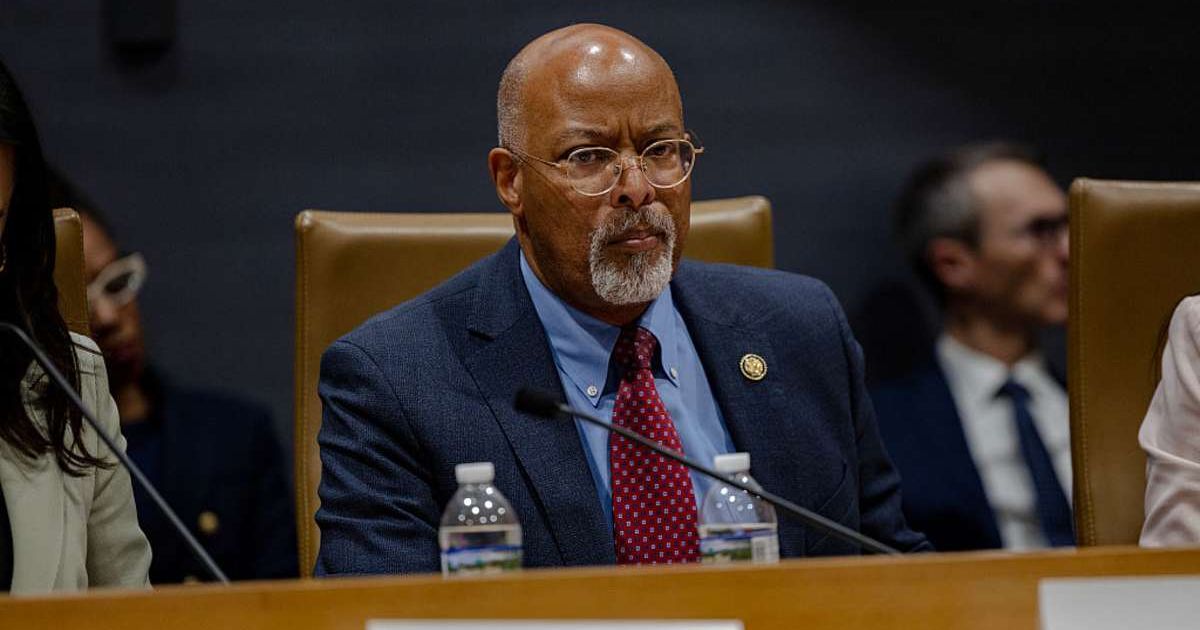
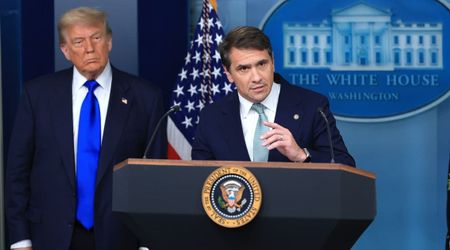
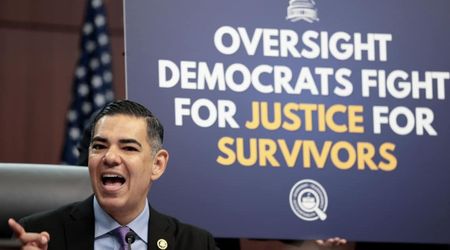
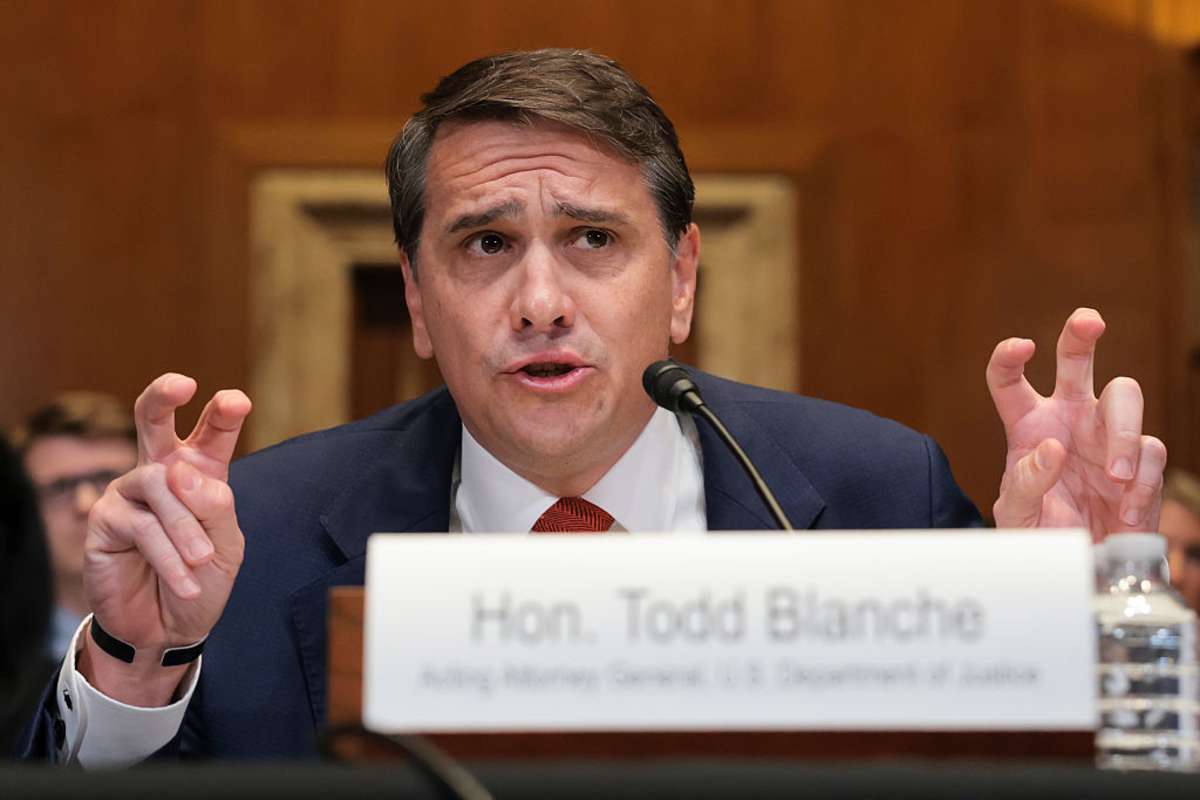
During a House Appropriations Committee hearing on Tuesday, Rep. Glenn Ivey (D-MD) pressed acting Attorney General Todd Blanche over President Donald Trump's acts of clemency. Citing the case of Binance Founder Changpeng "CZ" Zhao, Ivey alleged that it appears to be a "quid pro quo" as Zhao helped Trump make millions with his cryptocurrency ventures. The criticism comes at a time when House Democrats are probing several of the President's pardons over pay-to-play suspicions.
In the hearing, Ivey walked Blanche through some of the facts that led to the pardon of Zhao. He explained that the Binance CEO pled guilty to several federal crimes and agreed to a settlement involving anti-money laundering and sanction violations. The Democratic Congressman noted that Zhao agreed to pay a $4.36 billion penalty for the plea deal before Trump took office. He then noted that Zhao and Steve Witkoff met in Abu Dhabi at a Bitcoin conference, and in March 2025, World Liberty Financial, which has ties with Witkoff and is owned by the Trump family, announced it would launch a stablecoin called USD1. He then alleged that soon an Emirati company called MGX, which also has ties with Witkoff, announced it would use $2 billion in the USD1 stablecoin to invest in Binance. Furthermore, citing the Wall Street Journal, Ivey noted that "Binance took steps that significantly boosted the Trump family's stablecoin venture, increasing its market capitalization from $127 million to more than $2.1 billion."
Ivey went on to note that in May 2025, Zhao publicly stated that he had applied for a presidential pardon, and a few months later, on October 21, 2025, Trump granted him a full pardon without explanation. "This looks like a pay-to-play scenario. You have the meeting, the transfer of money to an entity owned by the Trump family, and then a pardon follows. Why haven't you appointed a special prosecutor to investigate this? On its face, it appears to be a quid pro quo," Ivey said.
Responding to the allegations, Blanche said the power to pardon is granted to the president by the Constitution, which doesn't require him to explain whom he pardons. "I reject the premise that these facts alone provide a basis for appointing a special prosecutor,"he added. Ivey then questioned if Zhao's alleged money-laundering links to ISIS, al-Qaeda, and the Iranian Revolutionary Guard were a problem, to which Blanche said, "Who the president chooses to pardon is not a problem. Period," claiming the Constitution was the legal basis for him to do so. "The Constitution does not authorize pardons in exchange for payments. It does not permit bribery," Ivey scathed.
Zhao's company worked extensively with the Trump family's World Liberty Financial business, with Binance setting up a task force to "strike a deal" with World Liberty after Trump won the election, in hopes of erasing Zhao's charges, Forbes reported. Another problematic case is that of Trevor Milton, the billionaire founder of the startup Nikola Motor, who was pardoned by the President after he donated roughly $900,000 less than a month before the 2024 election. Milton was accused of and convicted of securities and wire fraud as he misled retail investors by hyping up products and technology for electric trucks that allegedly didn't exist.
Taking note of the pardons, Senate and House Democrats launched an investigation into whether they were driven by "pay-to-play dynamics." According to CBS News, California Reps. Dave Min and Raul Ruiz, and Vermont Sen. Peter Welch, sent letters to over a dozen recipients of executive clemency asking them to explain if they received favorable treatment from Trump or his advisers "through intermediaries, financial contributions, or other forms of influence." Since Republicans hold the majority in both houses, Democrats don't have the power to subpoena the pardon recipients, but it may change if the power shifts after the November midterm elections.