'Burning your tax money': Sen. Chris Murphy questions U.S. naval blockade on Iran
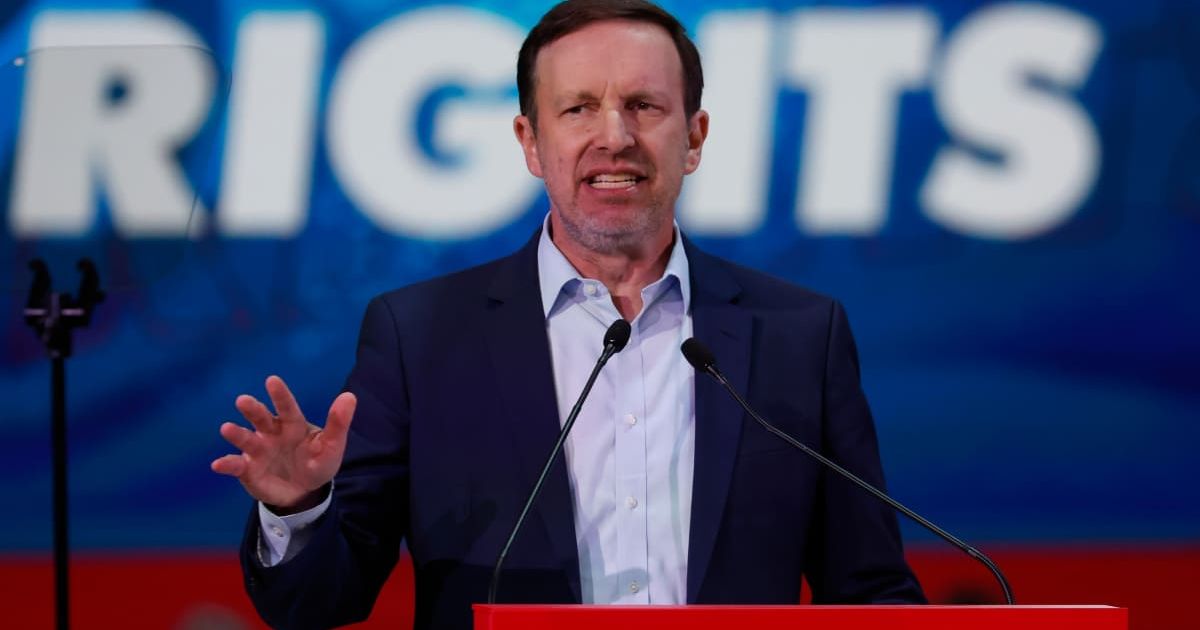
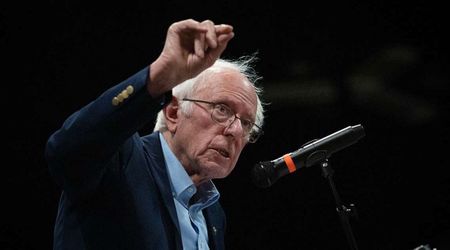
The Strait of Hormuz, a crucial shipping lane for a fifth of the world's oil, has yet again become the focus point with the standoff between the U.S. and Iran escalating to a valotaile new peak. On Sunday, President Donald Trump announced that the U.S. military seized an Iranian-flagged cargo ship after "blowing a hole" in its engine room after it tried to break the Navy blockade of the strait. The escalation raised concerns of further worsening of the global energy crisis, with U.S. Senator Chris Murphy accusing the president of "burning taxpayers' money" to keep a "war of his choice" going.
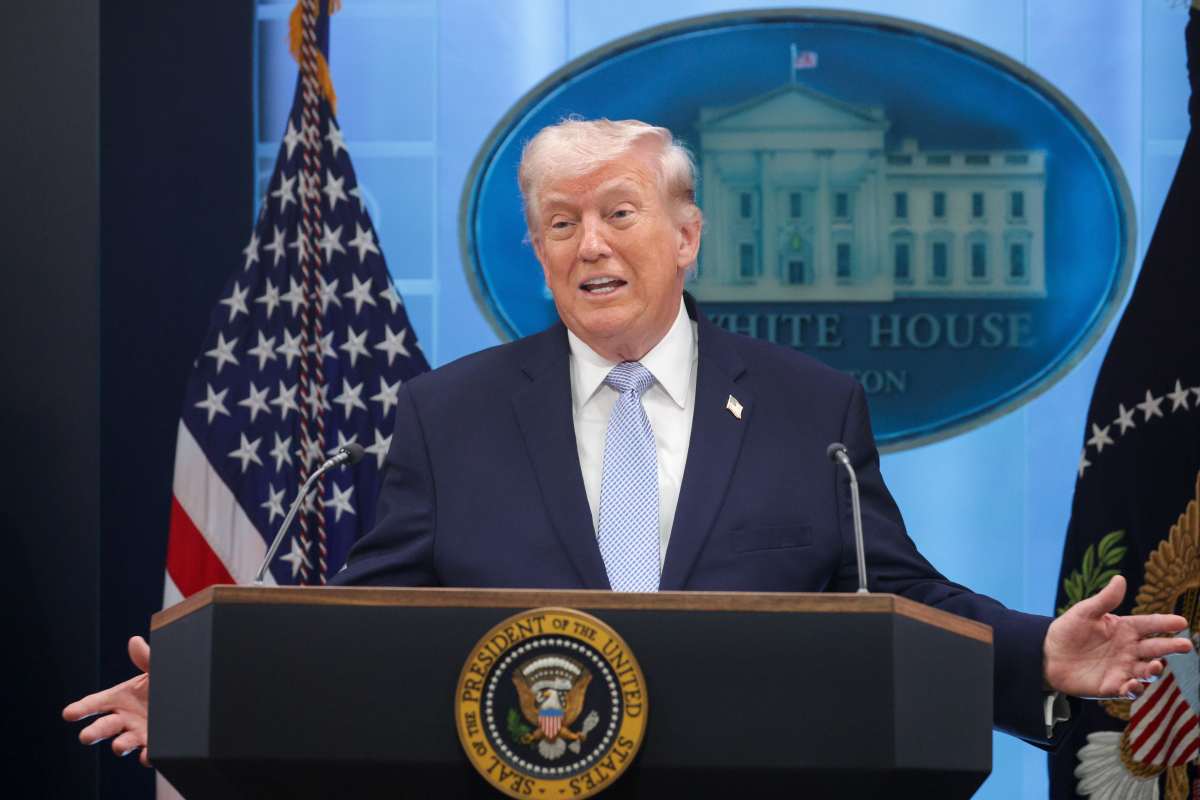
On Sunday, the USS Spruance destroyer intercepted and seized Iran's Touska cargo ship in the Gulf of Oman, after it refused to stop and obey the orders of the U.S. Navy. "Today, an Iranian-flagged cargo ship named TOUSKA, nearly 900 feet long and weighing almost as much as an aircraft carrier, tried to get past our Naval Blockade, and it did not go well for them," Trump boasted on Truth Social. He added that U.S. Marines took custody of the vessel, and the U.S. military is sweeping through it. While Trump claimed it to be a success, Sen. Murphy deemed it a futile exercise. "We are spending billions to keep our entire navy in the Strait to fecklessly fail to open a waterway that wasn't closed until Trump’s pointless war of choice closed it," he wrote in his post on X. "He’s just burning your tax money."
We are spending billions to keep our entire navy in the Strait to fecklessly fail to open a waterway that wasn’t closed until Trump’s pointless war of choice closed it.
— Chris Murphy 🟧 (@ChrisMurphyCT) April 19, 2026
He’s just burning your tax money. pic.twitter.com/TVwfALJ80S
Murphy's criticism comes after the White House declined to estimate the cost of the war with Iran at a congressional hearing last week. Budget Director Russell T. Vought sidestepped questions about the cost of the war, prompting Senate Democrats to question the administration's lack of transparency. While Vought said the "fluctuating" nature of the war made it hard to calculate the expense to date and the amount the president would soon seek in additional military funding, senior Democrat Patty Murray didn't buy into the reasoning. "I just find it outrageous that as director you're not willing to tell us what those costs are," Murray said.
Meanwhile, the situation in the Middle East has taken a turn with Iran reversing its decision to reopen the strait, after Trump said the U.S. will continue its blockade on Iranian ports. While the U.S. President said there have been "very good" discussions with Iran, the situation at the strait remains critical. Furthermore, a team negotiators including Steve Witkoff, Jared Kushner, and potentially Vice President JD Vance is reportedly headed to Pakistan for a second round of talks but Tehran has stated that it will not partake in the discussions citing concerns over the ongoing blockade and unacceptable demands of the U.S., the New York Post reported. "Iran stated that its absence from the second round of talks stems from what it called Washingtons excessive demands, unrealistic expectations, constant shifts in stance, repeated contradictions, and the ongoing naval blockade, which it considers a breach of the ceasefire," Iran's state-run IRNA news agency reported, citing no specific source.