As Trump signals '15-point plan', Iran's counter-demands risk deeper Middle East escalation
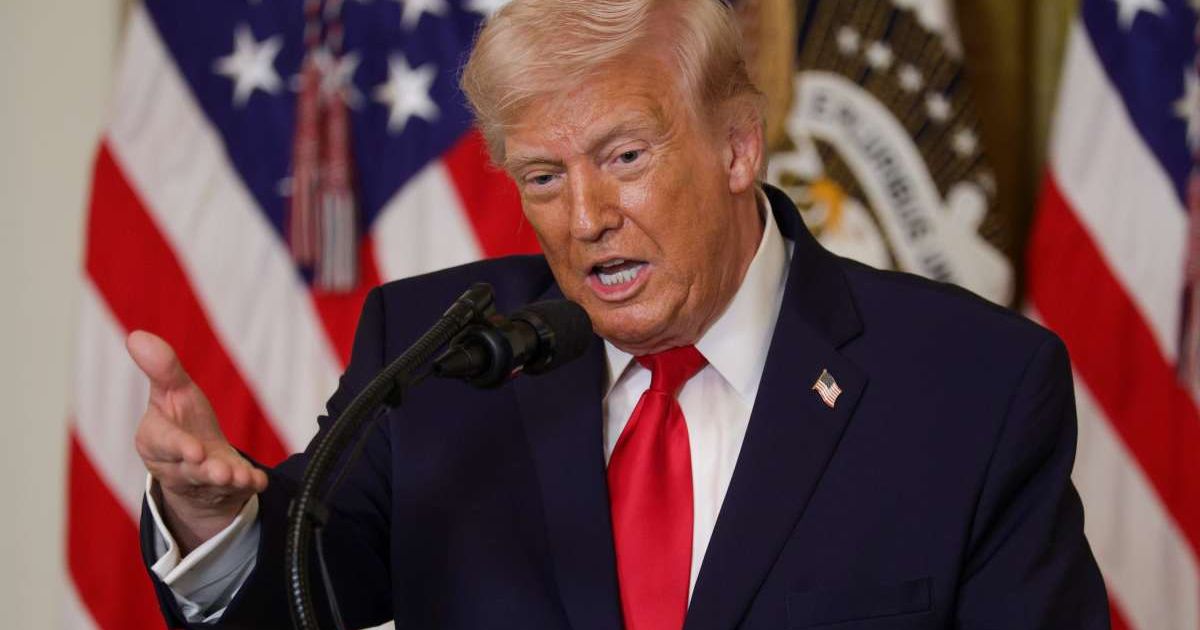
President Donald Trump recently announced that he had "very good and productive conversations" with Iran, and that the U.S. had sent a 15-point proposal to Tehran. Among the major demands were the immediate opening of the Strait of Hormuz, Iran handing over its enriched uranium stockpiles, and the cessation of its ballistic missile program. However, Tehran has reportedly rejected the proposal and instead set its own terms for negotiations, including a complete halt to U.S. and Israeli "aggression and assassinations," war reparations, and formal recognition of Iran's sovereign control over the Strait of Hormuz.
BREAKING: A preliminary list of Iran's demands for a potential ceasefire with the US and Israel has been compiled, per Reuters.
— The Kobeissi Letter (@KobeissiLetter) March 25, 2026
Terms include:
1. Reparations and compensation for wartime losses
2. Iran obtains formal control of the Strait of Hormuz
3. Security guarantees…
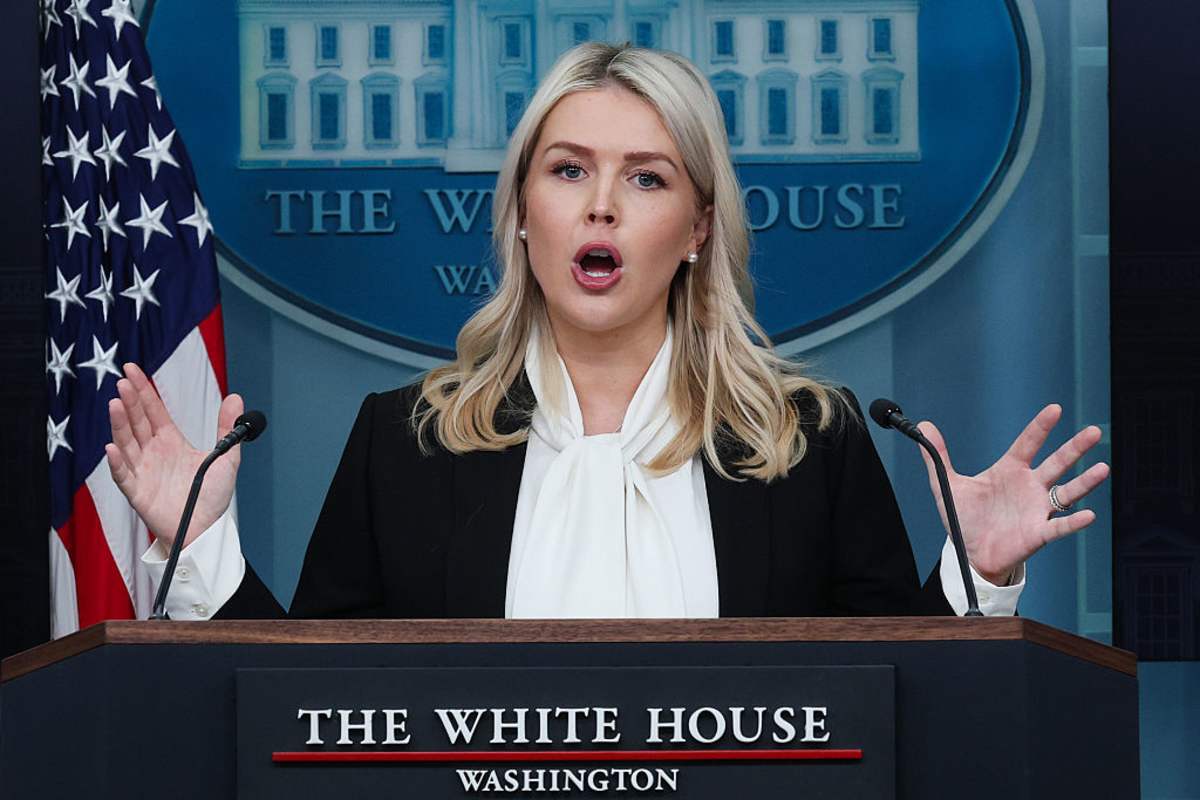
The White House has, however, said that reports on the details of President Trump's 15-point plan may not be entirely true. Addressing reporters, White House Press Secretary Karoline Leavitt said, "I saw a 15-point plan that was floated in the media. I would caution reporters in this room from reporting about speculative points or speculative plans from anonymous sources. The White House never confirmed that full plan. There are elements of truth to it, but some of the stories I read were not entirely factual." Leavitt also warned that Iran will be "hit harder than they have ever been hit before" if they do not return to the negotiating table.
The U.S. has moved several elite units to the Persian Gulf this week. They included approximately 3,000 paratroopers of the 82nd Airborne Division and about 2,500 Marines (anchored by the USS Tripoli). Iran, too, has escalated its war rhetoric, saying that they are prepared for any kind of ground invasion. Meanwhile, as energy prices remain high, the Middle East conflict is also posing a direct threat to American farmers. With the Strait of Hormuz effectively constrained, global fertilizer supply has also tightened, causing prices in the U.S. to jump by nearly 30% in some regions.

“Each year, fertilizer delivers $37 billion in wages, supports half a million jobs, and has an economic impact of $140 billion,” Corey Rosenbusch, CEO of the Fertilizer Institute, told Fortune. The timing of the war could not be any worse for US farmers, as the spring planting season is right around the corner. Around this time, farmers finalize their fertilizer purchases for crops like corn in the Midwest and cotton in the South.